Watch: Meteor blazes over Istanbul as Perseids peak across the northern hemisphere
Residents of Istanbul witnessed a spectacular celestial display on the evening of August 10, when a brilliant meteor tore through the night sky. The luminous
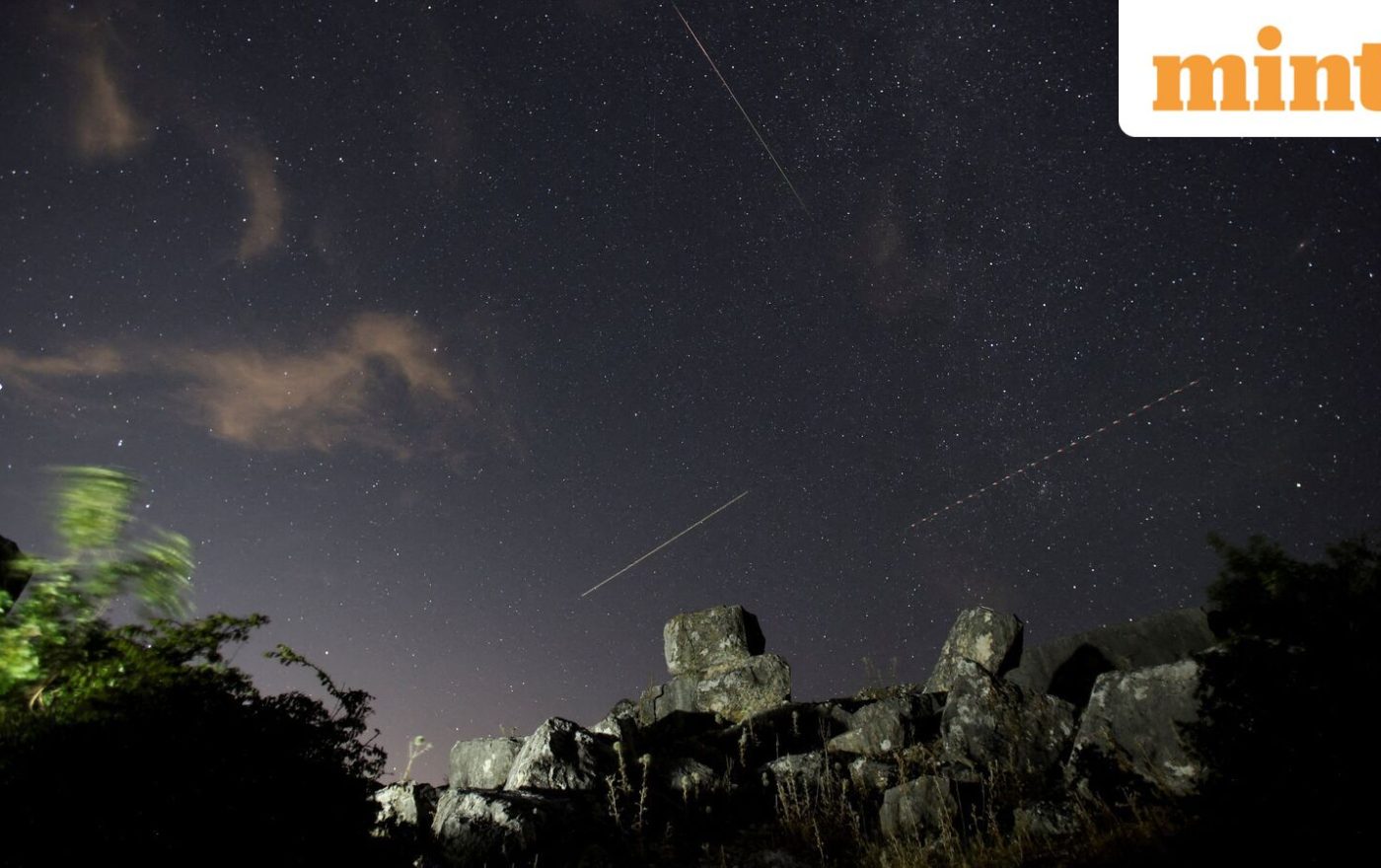
Istanbul Sky Illuminated by Meteor as Perseids Reach Zenith
Theindiapostdaily.com – Residents of Istanbul witnessed a spectacular celestial display on the evening of August 10, when a brilliant meteor tore through the night sky. The luminous object streaked over the Hürriyet district of Büyükçekmece at approximately one o’clock in the morning, its fiery descent documented by multiple recording devices. Dashcams mounted in vehicles, security cameras positioned in Arnavutköy and Küçükçekmece, and several handheld mobile phones all captured the phenomenon as it unfolded.
While local news outlets described the event as a meteor entering Earth’s atmosphere, they did not specifically classify it as part of the Perseid shower, which has been active since mid-July. The timing proved fortuitous, arriving just two nights before the shower’s annual maximum.
Optimal Viewing Windows
Astronomical guidance suggests different start times for enthusiasts. Space.com recommends beginning observations around eleven o’clock in the evening, when meteor frequencies increase noticeably, and continuing until sunrise. The Royal Observatory Greenwich offers a slightly later recommendation, identifying the period between midnight and five-thirty in the morning as the most productive window.
However, the peak night represents only one moment in a broader viewing season. According to the Natural History Museum, the 2026 Perseid shower remains active from July 17 through August 24, providing observers with numerous additional opportunities even as rates gradually decline.
Realistic Expectations for 2026
Popular accounts often cite figures exceeding one hundred meteors per hour for the Perseids, yet forecasts for this year suggest more moderate numbers. The International Meteor Organization anticipates reduced activity, with computer models indicating that Earth will traverse a less dense portion of the debris stream. The Planetary Society estimates that observers at dark locations should expect between fifty and seventy-five meteors hourly.
Actual visibility depends on several factors, including atmospheric conditions, urban light pollution levels, and the altitude of the radiant point above the horizon.
Indian Subcontinent Observers
India enjoys favorable viewing conditions since the Perseids primarily benefit the Northern Hemisphere. Observers positioned under truly dark skies may witness rates ranging from fifty to one hundred meteors per hour, though those in metropolitan areas should adjust their expectations accordingly given higher light pollution levels.
Origins of the Shower
The spectacular streaks originate from material shed by comet Swift-Tuttle. As our planet moves through the comet’s orbital trail, tiny fragments of dust and rock encounter Earth’s atmosphere at tremendous speeds. These particles incinerate at altitudes of approximately one hundred kilometers, creating the luminous trails visible to ground-based observers.
Why the Perseids Captivate
Two primary factors explain the shower’s widespread popularity. First, its schedule aligns perfectly with Northern Hemisphere summer evenings, spanning from mid-July to late August. This timing transforms the experience of lying on one’s back gazing upward into a pleasant activity rather than a shivering endurance test. Second, the shower delivers substantial visual rewards, potentially producing up to one hundred shooting stars per hour under ideal circumstances of clear weather and dark skies.
NASA’s Assessment
NASA characterizes the mid-August Perseid peak as the premier meteor shower of the calendar year. The agency highlights the meteors’ speed and brightness, noting that they frequently generate extended “wakes” of light and color trailing behind them. Additionally, NASA points to the shower’s fireballs—substantial bursts of illumination lasting longer than typical streaks, created by larger cometary particles and exhibiting apparent magnitudes exceeding negative three.
Simple Viewing Instructions
No specialized equipment enhances the experience. Observers should locate a dark location distant from urban illumination, recline comfortably, and allow their vision to adapt. Telescopes actually restrict the field of view unnecessarily, since meteors can materialize anywhere overhead. Human eyes require approximately twenty minutes to achieve full dark adaptation, and even a brief glance at a smartphone screen resets this process entirely.
Related Reading
Frequently Asked Questions
What is Watch: Meteor blazes over Istanbul as Perseids peak across the northern hemisphere?
Watch: Meteor blazes over Istanbul as Perseids peak across the northern hemisphere is the main topic of this guide. The article explains the context, practical details, and next steps readers should understand.
Why does Watch: Meteor blazes over Istanbul as Perseids peak across the northern hemisphere matter?
Watch: Meteor blazes over Istanbul as Perseids peak across the northern hemisphere matters because readers are looking for a useful answer, not just a short summary. Good content should match search intent and help them decide what to do next.