Venezuela earthquake: Rescuers look for survivors as death toll rises to 188, US authorises transactions | Top updates
The Venezuela earthquake, which struck on Wednesday, has left the nation reeling as rescuers battle
Venezuela Earthquake: US Authorizes Aid as Rescue Efforts Continue
Theindiapostdaily.com – The Venezuela earthquake, which struck on Wednesday, has left the nation reeling as rescuers battle through the rubble in search of survivors. Two powerful quakes, registering 7.2 and 7.5 on the Richter scale, devastated northern regions, causing widespread destruction and raising the death toll to 188. Over 200 people remain trapped under collapsed buildings, with emergency teams working tirelessly to locate and save them. The seismic events were felt across the Caribbean, prompting immediate evacuations in parts of Brazil’s Amazon basin. The epicenter, located west of Caracas, brought down key infrastructure, including the nation’s main international airport, which became a critical hub for relief operations. Despite the chaos, international support is pouring in, with the US leading the charge in authorizing critical financial transactions to aid recovery efforts.
International Aid and Financial Support
Venezuela’s interim president, Delcy Rodríguez, has announced the establishment of a $200 million reconstruction fund, drawing from the International Monetary Fund (IMF) and other global financial institutions. This initiative aims to restore vital infrastructure, hospitals, and housing for those displaced by the Venezuela earthquake. “This fund will enable us to rebuild infrastructure, hospitals, and provide homes for those who lost theirs,” Rodríguez stated, emphasizing the government’s commitment to addressing the crisis. In addition to the IMF-backed fund, discussions are underway to secure special credit lines from both public and private banks to finance emergency supplies and long-term rebuilding projects.
“The U.S.A. stands ready, willing, and able to help! I have instructed all agencies of our government to get ready to move quickly,”
US President Donald Trump made the statement in his first on-camera remarks since the earthquake, pledging swift assistance to Venezuela. The Treasury authorized transactions previously blocked by sanctions, allowing for the immediate flow of humanitarian aid and financial support. Washington’s $150 million aid package is part of a broader “whole-of-government response” aimed at providing rapid relief. Secretary of State Marco Rubio highlighted the plan’s emphasis on speed and effectiveness, stating that the US is committed to ensuring aid reaches affected communities without delay. This move signals a renewed focus on Venezuela’s recovery, despite ongoing political tensions.
Global Response to the Crisis
Following the US, a coalition of nations has rallied to support Venezuela’s earthquake-stricken regions. The United Nations has urged the Venezuelan government to ease restrictions on aid delivery, ensuring that relief efforts can operate unhindered. Spain and France have deployed teams of experts, while Germany has committed six military transport aircraft to facilitate the movement of supplies. Switzerland has sent 80 personnel, eight rescue dogs, and 18 tonnes of equipment, showcasing international solidarity. China has expressed willingness to offer aid “in an appropriate manner according to the needs of the Venezuelan side,” and India has pledged readiness to assist. These coordinated efforts highlight the global community’s recognition of the scale of the Venezuela earthquake’s impact.
Damage Assessment and Recovery Efforts
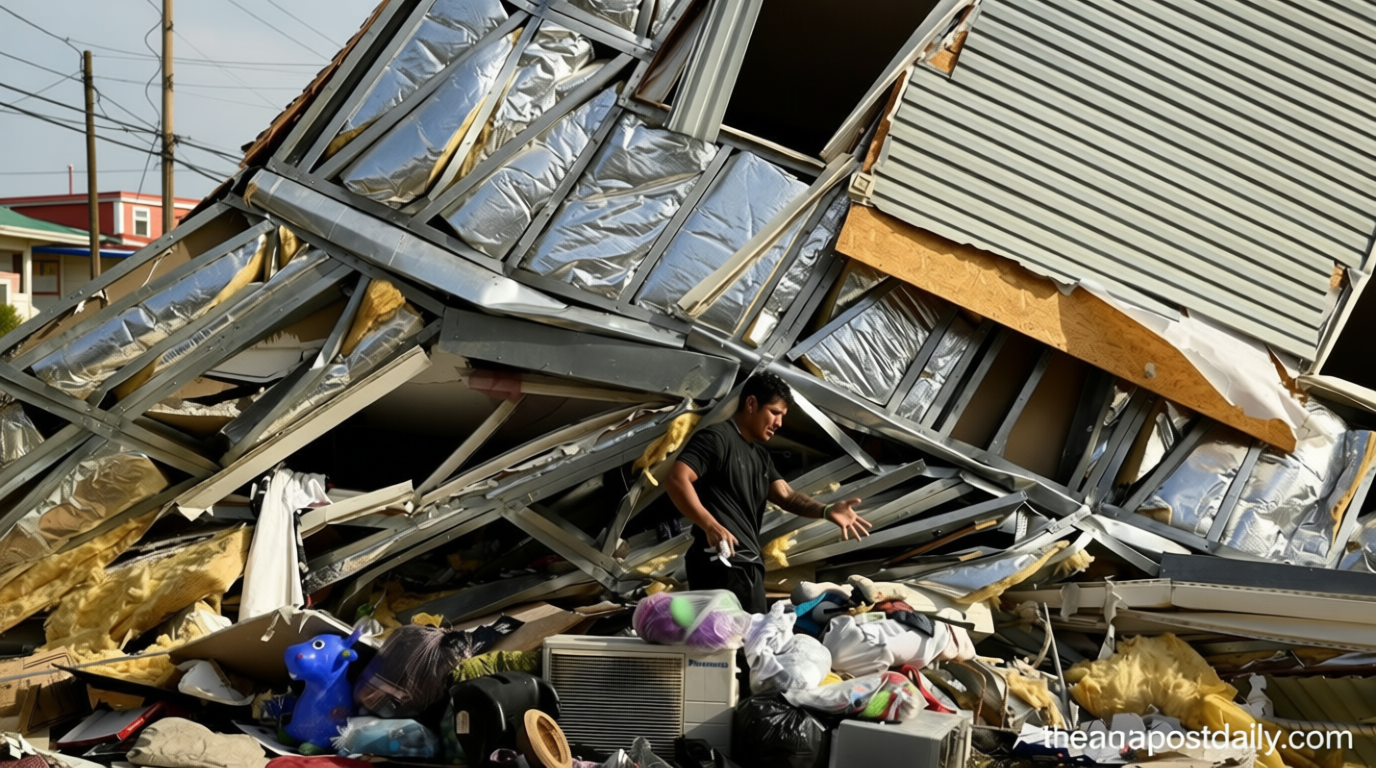
The Venezuela earthquake has caused catastrophic damage, particularly in La Guaira, a coastal city north of Caracas. The main international airport there, which serves as a crucial link for both commercial and humanitarian traffic, was severely damaged, delaying the distribution of aid. Images from the scene show collapsed buildings, fractured roads, and shattered windows, underscoring the extensive destruction. Local authorities reported 105 deaths and over 1,066 injuries in La Guaira alone, with the toll expected to rise as search operations continue. Despite the devastation, Venezuela’s oil operations have remained largely intact, with key refineries and ports functioning without major disruption. Chevron confirmed that its workforce was unharmed, though some loading activities at the El Palito terminal in Carabobo state were temporarily halted.
As the nation grapples with the aftermath of the Venezuela earthquake, recovery efforts are unfolding across multiple fronts. Emergency shelters have been set up in affected areas, and medical teams are working to treat the injured. The government has also coordinated with local communities to distribute essential supplies, including food, water, and medical kits. In Caracas, the epicenter of the disaster, rescue workers are navigating the wreckage of buildings that were reduced to rubble. The destruction has not only impacted physical infrastructure but has also strained the nation’s already fragile economy, raising concerns about the long-term recovery from the Venezuela earthquake.
Political Context and Economic Challenges
The earthquakes have added to the challenges facing Delcy Rodríguez, the interim president who assumed leadership in January after Nicolas Maduro’s government was accused of electoral fraud. Her administration has faced scrutiny over its handling of the Venezuela earthquake, with critics questioning the effectiveness of its response in light of the country’s deepening economic crisis. The ongoing hyperinflation and scarcity of resources have made it difficult to allocate sufficient funds for recovery, despite the $200 million reconstruction initiative. As rescue teams continue their work, the political context of the disaster remains a key focus, with international observers monitoring how the government manages the aftermath of the Venezuela earthquake.
While the initial phase of rescue operations is underway, the path to full recovery from the Venezuela earthquake will require sustained international collaboration and domestic mobilization. The earthquake has exposed vulnerabilities in Venezuela’s infrastructure and emergency response systems, prompting calls for increased investment in disaster preparedness. Meanwhile, the US’s authorization of transactions has been a critical step in enabling aid to flow more freely. As the death toll rises and the search for survivors intensifies, the global community remains watchful, hoping that the Venezuela earthquake will catalyze a renewed commitment to supporting the nation’s resilience and rebuilding efforts.