Venezuela earthquake: Death toll reaches 1,450 as rescuers race against time to find survivors
Venezuela Earthquake: Death Toll Surpasses 1,450 as Rescue Missions Intensify Theindiapostdaily.com – The Venezuela earthquake, which struck earlier this week, has claimed over 1,450 lives, prompting an urgent global response…
Venezuela Earthquake: Death Toll Surpasses 1,450 as Rescue Missions Intensify
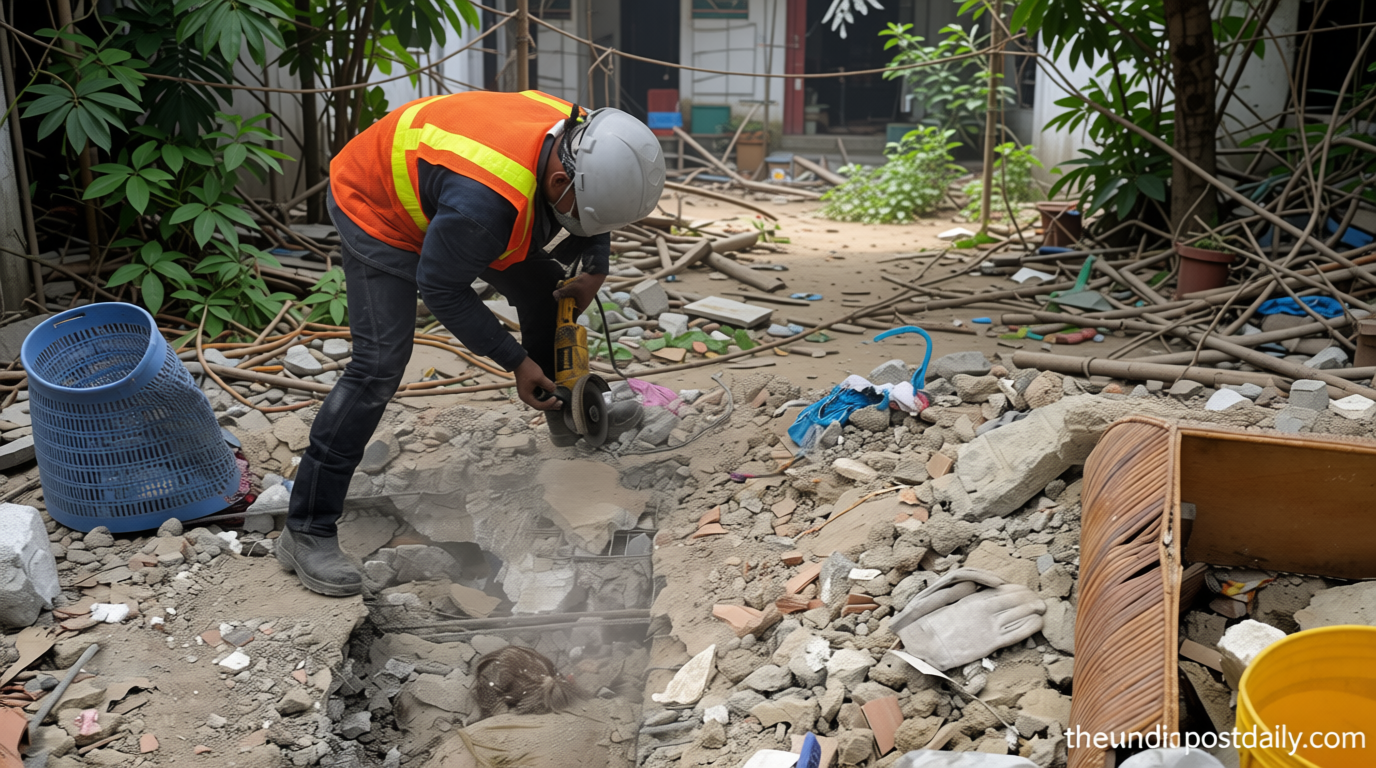
Theindiapostdaily.com – The Venezuela earthquake, which struck earlier this week, has claimed over 1,450 lives, prompting an urgent global response to save survivors and stabilize the crisis. The twin tremors, measuring 7.3 and 6.7 on the Richter scale, devastated La Guaira and surrounding regions, leaving widespread destruction and thousands displaced. As rescue teams work around the clock, the focus remains on rescuing those trapped in rubble and addressing the immediate needs of the affected population. The event has underscored the critical importance of rapid disaster response in mitigating loss and rebuilding communities.
Earthquake Impact and Human Toll
The Venezuela earthquake has left a profound mark on the country’s infrastructure and civilian lives. Over 774 buildings collapsed, with La Guaira bearing the brunt of the damage. According to the interim president, Delcy Rodriguez, the death toll has reached at least 1,450, including women and men who lost their lives in the most severe natural disaster in Venezuela’s history. Additionally, 3,150 people remain injured, while 12,721 have been forced to seek shelter in temporary camps. The scale of the devastation has led to a call for international support, highlighting the need for resources to aid recovery efforts.
Rescue Operations and International Collaboration
Rescue efforts in the Venezuela earthquake are being spearheaded by a coalition of local and international teams. Over 24 countries have pledged assistance, sending 521 tons of supplies, 86 canine units for search and rescue, and more than 2,700 personnel to support the mission. The U.S. has deployed a 250-member disaster response team, while the Simon Bolivar International Airport has been partially operational to facilitate the movement of aid. President of the National Assembly, Jorge Rodriguez, emphasized that the first 72 hours are crucial for saving lives, noting that the window for successful rescues diminishes significantly after that period.
As of Saturday, at least 33 individuals had been rescued, including several children, but nearly 50,000 people are still missing, according to a website linked to Venezuela’s political opposition. This figure had slightly decreased from the previous day’s 55,000, yet the search continues for those trapped in the debris. Experts warn that the earthquake’s aftermath poses additional challenges, with millions of residents facing difficulties accessing clean water, food, and medical care. The situation has also disrupted transportation networks, complicating the delivery of supplies to remote areas.
Challenges in the Recovery Phase
The recovery phase following the Venezuela earthquake is fraught with obstacles, from the sheer scale of destruction to the logistical hurdles in coordinating aid. While rescue operations have made progress, the ongoing efforts require sustained resources and international cooperation. The political opposition’s website has reported that 50,000 people remain unaccounted for, underscoring the complexity of the search. In La Guaira, where the most severe damage occurred, the destruction of key infrastructure has hampered rescue efforts, with teams navigating collapsed buildings and unstable roads to reach survivors. The country’s resilience in the face of such a crisis has been a focal point for both local and global observers.
Efforts to locate the missing are being supported by advanced technologies and volunteer networks. The Swiss rescue team’s leader, Sebastian Eugster, highlighted the critical nature of the first 72 hours, stating that the probability of saving lives drops sharply after this window. Despite the challenges, local communities have played a vital role in the response, organizing donations and providing shelter. The government has also prioritized distributing essential supplies, though the demand far exceeds the available resources. As the situation evolves, the focus remains on ensuring that the survivors have access to necessary support and that the body count continues to be minimized.
Global Solidarity and Future Implications
The Venezuela earthquake has drawn attention from the international community, with leaders expressing solidarity and offering aid. The event has prompted discussions about the importance of preparedness and the need for stronger disaster response systems in vulnerable regions. As the rescue mission progresses, the focus will shift to rebuilding infrastructure and supporting the long-term recovery of affected communities. The death toll of over 1,450 and the displacement of thousands have raised concerns about the country’s ability to recover from such a catastrophic event, emphasizing the role of global partnerships in disaster relief.
While the immediate crisis is far from over, the ongoing efforts to save lives and provide aid have showcased the resilience of Venezuela’s people. The country’s government and citizens are working together to address the aftermath of the earthquake, with international support playing a crucial role in the recovery. As the days pass, the focus remains on ensuring that survivors receive the necessary care and that the path to rebuilding begins. The Venezuela earthquake serves as a stark reminder of the importance of timely action in disaster scenarios and the collective effort required to overcome such challenges.