Venezuela earthquake: Death toll nears 1,500 as residents angered at local officials’ response
The Venezuela earthquake, which struck in rapid succession on June 24, has devastated the nation
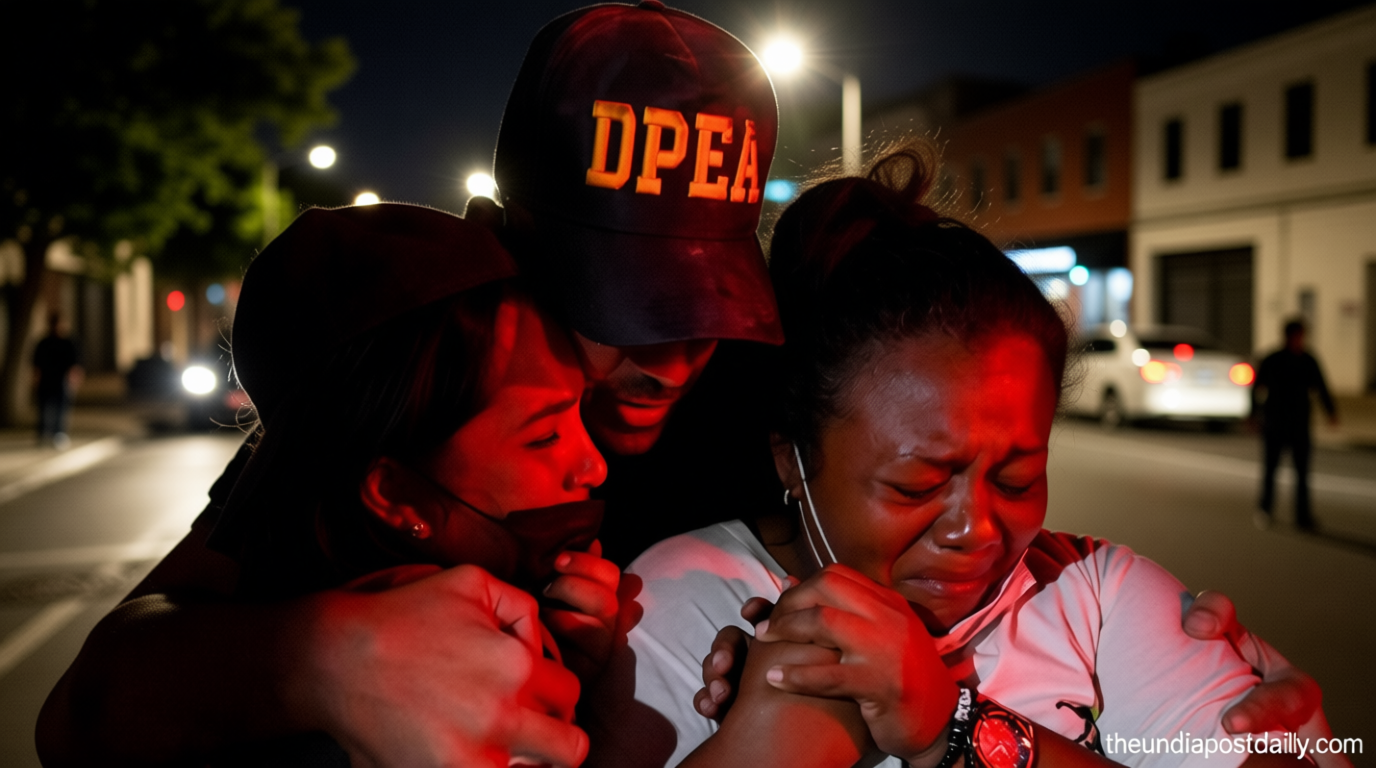
Venezuela Earthquake: Death Toll Near 1,500
Theindiapostdaily.com – The Venezuela earthquake, which struck in rapid succession on June 24, has devastated the nation, with the death toll climbing to nearly 1,500. A third tremor of magnitude 5.6 intensified the crisis, leaving communities in chaos and raising concerns about the government’s preparedness. As residents grapple with the aftermath, frustration is mounting over the slow and disorganized response from local officials, who have been criticized for failing to provide timely aid.
Impact of the Earthquakes
The twin earthquakes, followed by a magnitude 5.6 tremor, caused catastrophic damage to infrastructure, homes, and public buildings across multiple regions. Reports indicate that over 50,000 people remain missing, with rescue teams working tirelessly to locate survivors. The devastation has been particularly severe in La Guaira, a coastal area near Caracas, where entire neighborhoods were reduced to rubble. According to Al Jazeera, the earthquakes have not only claimed lives but also disrupted essential services, including electricity, water, and communication networks, further complicating relief efforts.
Authorities have warned that the window for finding survivors diminishes sharply after the first 72 hours, prompting calls for more urgent action. However, local officials have faced backlash for their delayed response and lack of coordination. Residents expressed anger at the slow deployment of resources, with many citing inadequate shelter, insufficient medical supplies, and the absence of reliable communication as major obstacles in the recovery process.
International Response and Criticisms
Amid the crisis, the U.S. government has stepped in to support Venezuela’s earthquake victims, highlighting its commitment to disaster relief. Tommy Pigott, a Department of State spokesperson, emphasized that integrating international aid under a single agency allows for faster and more efficient recovery. The U.S. has dispatched urban search and rescue teams and provided humanitarian aid, including food, water, and medical supplies, to affected areas.
Despite these efforts, critics argue that the U.S. and other international partners have not done enough to address the systemic failures within Venezuela’s own emergency management. A firefighter from Miami, Craig Demeillon, described the situation as “chaotic, hot, and unorganized” during his rescue mission in La Guaira. “We hope to find more people still alive,” he added, underscoring the urgency of the mission. Meanwhile, Salvadoran rescue workers praised the international collaboration, stating, “Thanks to God, maybe we can find people still alive,” as they worked under challenging conditions.
The United Nations Development Programme (UNDP) estimated that the earthquakes caused over $6.7 billion in physical damage, equivalent to 6% of Venezuela’s GDP. This figure reflects the widespread destruction of critical infrastructure, including schools, hospitals, and transportation networks. The UN migration agency also reported that up to 6.76 million people could be affected, requiring extensive emergency shelter, clean water, and healthcare services. The scale of the disaster has exposed vulnerabilities in Venezuela’s already strained resources, compounding the challenges faced by its population.
As rescue operations continue, the focus remains on salvaging lives and rebuilding. In one heartening moment, a newborn was rescued from the rubble in La Guaira, sparking hope among survivors. The child’s rescue, captured in a viral social media clip, symbolized resilience in the face of tragedy. However, such instances are overshadowed by the growing discontent among Venezuelans, who demand more effective leadership and a faster response to the unfolding crisis.
Experts warn that the full extent of the damage may not be fully understood for weeks, with potential long-term consequences for the country’s economy and social stability. The earthquakes have also exacerbated existing challenges, such as hyperinflation and political instability, making the recovery process even more complex. While international aid offers some relief, the long-term success of the recovery efforts will depend on the government’s ability to coordinate with both local and global partners to address the disaster’s impact comprehensively.