US Senator Rick Scott slams Pakistan’s Iran ties after Shehbaz Sharif attends Khamenei funeral: ‘We’re watching closely’
US Senator Rick Scott Criticizes Pakistan's Iran Ties After Sharif Honors Khamenei US Senator Rick Scott slams Pakistan's close relationship with Iran
US Senator Rick Scott Criticizes Pakistan’s Iran Ties After Sharif Honors Khamenei
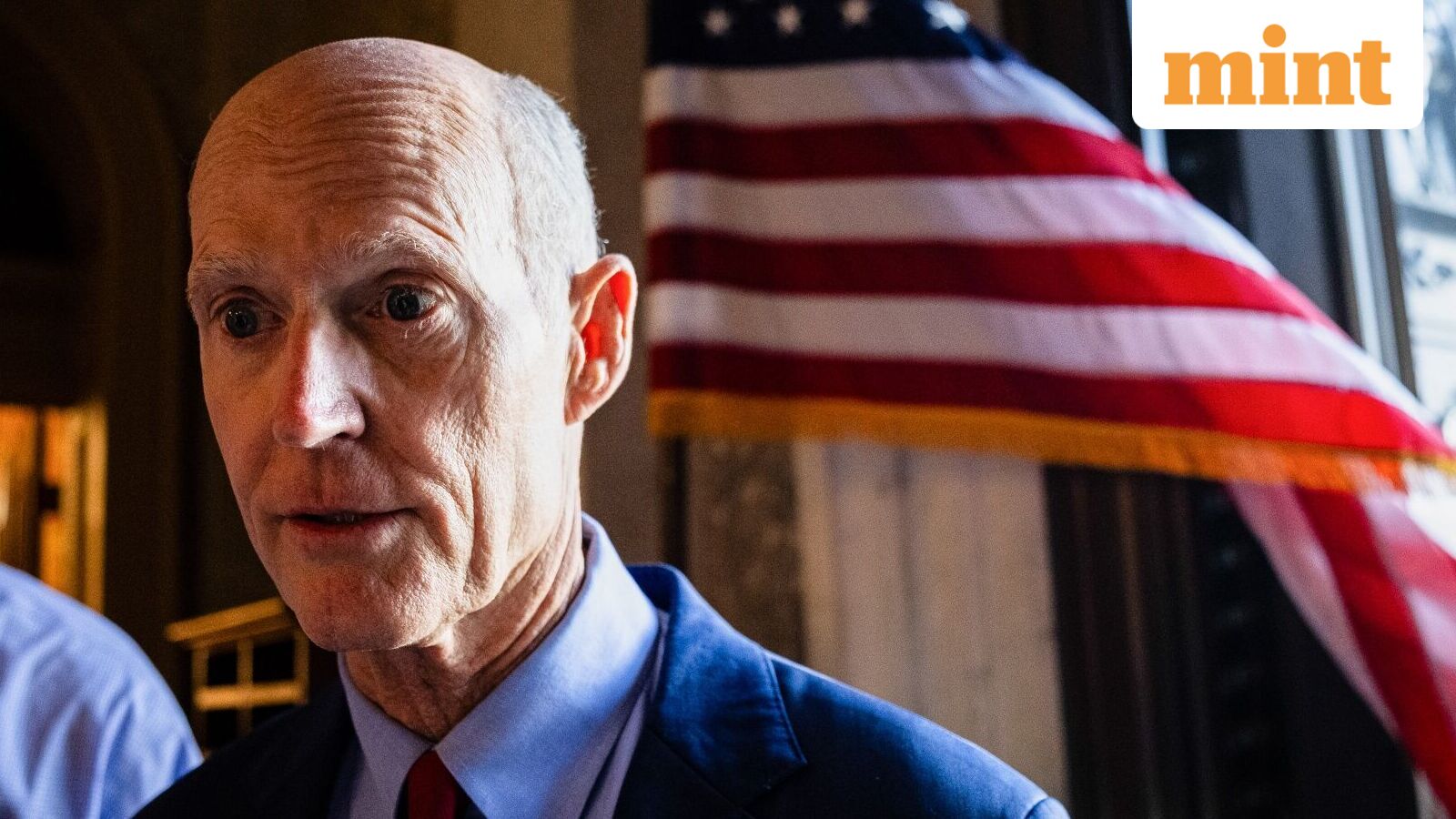
Theindiapostdaily.com – US Senator Rick Scott slams Pakistan’s close relationship with Iran, raising concerns over Islamabad’s strategic alignment with Tehran following Prime Minister Shehbaz Sharif’s participation in the funeral of Iran’s former Supreme Leader Ayatollah Ali Khamenei. The event, held in Tehran, has intensified scrutiny of Pakistan’s diplomatic ties with Iran, particularly as Scott highlights perceived contradictions in the country’s foreign policy during his recent social media comments.
Scott’s criticism underscores the geopolitical tensions between the U.S. and Iran, which have escalated in recent months. His remarks come as Sharif, Pakistan’s leader, attended the ceremony in Tehran, which drew thousands of mourners and marked the fourth day of mourning for Khamenei, who passed away in late February. The funeral has reignited debates about Pakistan’s role in regional conflicts, especially with the U.S. and Israel, and its continued support for Iran despite domestic and international challenges.
“Pakistan’s actions speak louder than words. As a nation that once harbored Osama bin Laden for a decade, and where blasphemy laws are selectively enforced against Christians, it’s perplexing that the Prime Minister now lauds a leader who has been a driving force behind Iran’s authoritarian policies,” Scott tweeted. “We’re watching closely to ensure Islamabad remains committed to its stated positions.”
Iran’s Religious and Political Response to Khamenei’s Passing
The funeral in Qom, Iran’s major Shia religious center, became a symbol of national unity and mourning for the late Supreme Leader. The city, which is home to millions of devout Shia Muslims, witnessed a solemn atmosphere as citizens and religious figures gathered to pay tribute. The event emphasized the deep cultural and spiritual significance of Khamenei’s leadership, with prayers and chants echoing through the streets. State media played a pivotal role in broadcasting the proceedings, reinforcing the government’s narrative of solidarity and resilience.
Among the attendees was Ayatollah Abdollah Javadi-Amoli, a prominent cleric known for his vocal criticism of Western policies. His presence underscored the religious dimension of the ceremony, which was not only a personal farewell but also a political statement. The mourning crowds, many of whom wore black attire, chanted “death to America” during the prayers, a recurring slogan in Iran’s anti-Western campaigns. This highlighted the broader ideological divide between Iran and the United States, even as Pakistan’s role in the region remains under scrutiny.
Regional Implications of the Funeral and Pakistan’s Stance
The funeral in Tehran also served as a backdrop for the ongoing conflict between the U.S., Israel, and Iran. Khamenei’s death had already triggered a series of events, including increased military activity and diplomatic maneuvering. Pakistan’s decision to send Sharif to the ceremony has sparked questions about its commitment to balancing relations with both the U.S. and Iran. Scott’s comments suggest that the U.S. views Pakistan’s support for Iran as a potential threat to its strategic interests in the region.
Analysts note that Pakistan’s position has been a point of contention for years. The country has historically maintained a complex relationship with the U.S., rooted in its role as a key ally in the fight against terrorism. However, its continued engagement with Iran has raised eyebrows, especially given the latter’s nuclear ambitions and regional influence. Scott’s critique highlights how Pakistan’s diplomatic choices may be seen as a departure from its traditional alliance with the West, even as it seeks to strengthen ties with Shia powers in the Middle East.
“Pakistan’s alignment with Iran is not just a policy choice—it’s a shift in priorities. As we navigate this uncertain landscape, it’s crucial that Islamabad demonstrates consistency in its actions,” Scott added. “The world is watching to see if Pakistan will continue to serve as a bridge between the U.S. and Iran, or if it will choose to align more closely with Tehran’s interests.”
These remarks come at a time when the U.S. is actively seeking to counter Iranian influence in South Asia. Pakistan’s support for Iran’s nuclear program and its role in facilitating military cooperation have been points of discussion in Washington. Scott’s focus on Pakistan’s Iran ties reflects broader concerns about the country’s geopolitical stance and its potential impact on regional stability.
Tehran’s National Solidarity Display
The funeral in Tehran was not only a religious event but also a political demonstration of unity. It followed weeks of anti-government protests that had shaken the country and came at a critical moment as Iran navigated its military operations and diplomatic challenges. The massive procession through the streets of Tehran aimed to project a sense of national cohesion, showcasing the government’s ability to rally public support despite internal dissent.
The event mirrored the 1989 funeral of Ayatollah Ruhollah Khomeini, the founder of the Islamic Republic and Khamenei’s predecessor. That ceremony had symbolized the consolidation of power under the new leadership, and the 2024 funeral appears to carry similar weight. With Khamenei’s passing, the focus now shifts to Mojtaba Khamenei, his son and heir apparent, who has yet to take a prominent role in the country’s affairs. His absence from public view raises questions about the transition of power and the future direction of Iran’s foreign policy.