US Military to build war-ready weapons stockpile in Australia beyond range of Chinese missiles
US Military Initiates Stockpile Construction in Australia's Southeast Theindiapostdaily.com – Recent tender documents from the US Navy, corroborated by official statements, reveal plans for a long-term, deployable weapons cache along…
US Military Initiates Stockpile Construction in Australia’s Southeast
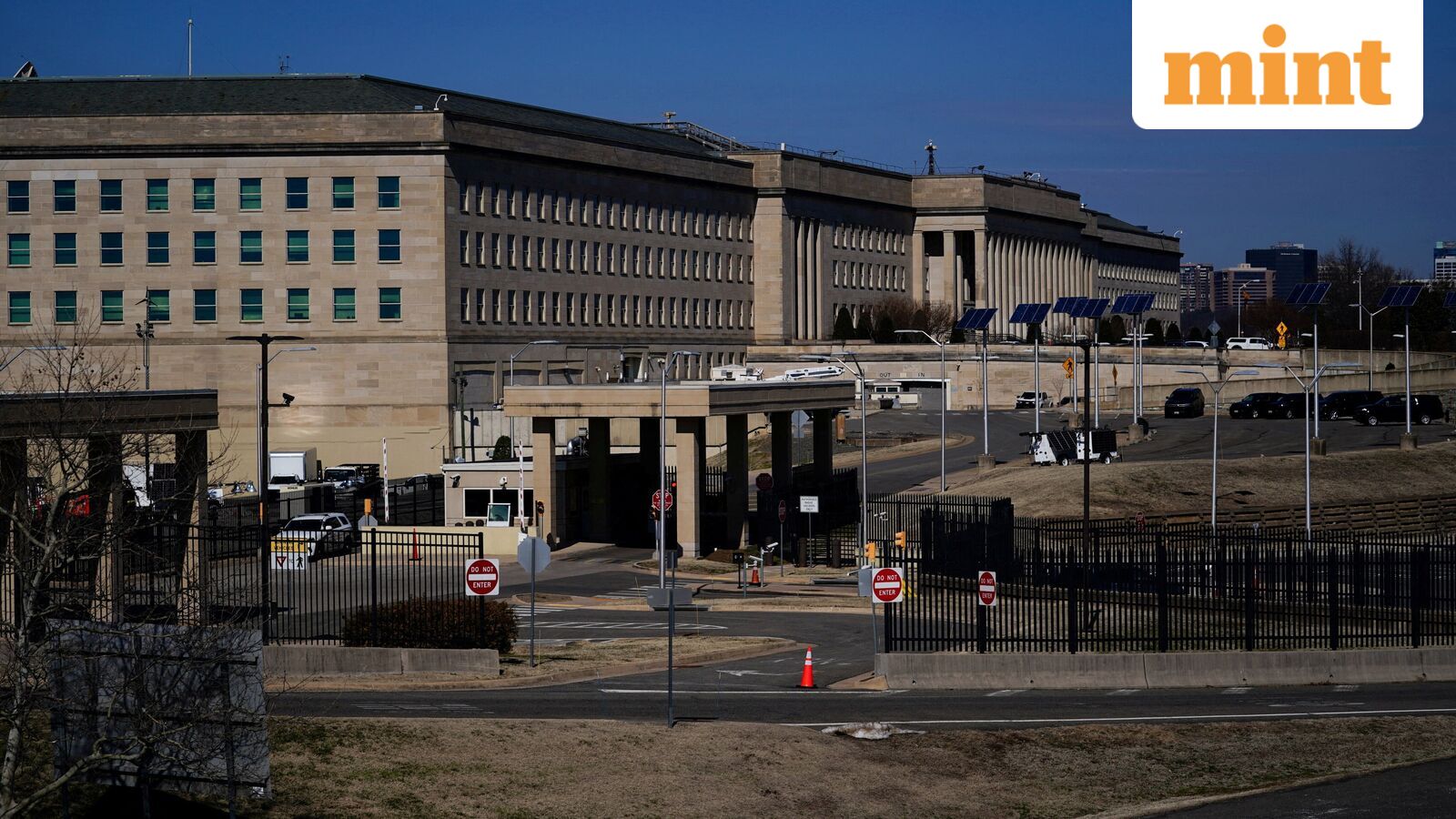
Theindiapostdaily.com – Recent tender documents from the US Navy, corroborated by official statements, reveal plans for a long-term, deployable weapons cache along Australia’s southern coastline. This development, reported by AFP, marks the Marine Corps’ first land-based stockpile on Australian territory. The initiative aligns with Washington’s effort to position the continent as a strategic foothold in the South Pacific, countering China’s rapid military expansion.
Project Scope and Financial Allocation
According to the documents, around $30 million has been earmarked for constructing storage units and administrative spaces in southeastern Victoria. The project aims to achieve full operational status by 2028. Initially, supplies will be temporarily stored in Melbourne before being transferred to a dedicated US facility at Bandiana, a remote location in rural Victoria, set to be completed next year.
Global Prepositioning Strategy
The US Navy has contracted a worldwide defense firm to oversee the setup, employing approximately 110 specialists in engineering, logistics, and maintenance. The stockpile includes “crew-served weapons,” a key component of the Marine Corps’ prepositioning strategy. This approach, which dates back to the Cold War, involves maintaining arms, ammunition, and vehicles in strategic locations to rapidly support troop deployments. Such assets are currently kept in floating depots and subterranean sites, including Norwegian caves.
“Marine Corps operations in Australia enhance integrated global sustainment by ensuring equipment is immediately available for missions across the Indo-Pacific,” stated a spokesperson from US Marine Corps Forces Pacific.
The Australian facility, approved in July, represents a major investment compared to similar initiatives in the Philippines. That country is set to host its first land-based stockpile this year, near contested areas in the South China Sea. The spokesperson noted that these efforts are coordinated with Australia’s Department of Defence to improve alliance readiness and logistical efficiency.
Strategic Positioning Beyond Chinese Missile Threat
The southeast location is intentionally chosen to avoid Chinese ballistic missile reach. A new report from the Lowy Institute highlights that Beijing could target northern Australia from its South China Sea outposts. Sam Roggeveen, the institute’s international security director, emphasized that missile range was a key factor in selecting the site. However, he warned that once operational, the facility would be a clear target for China.
“Once these sites are active, they will stand out as prime objectives for Chinese forces,” Roggeveen remarked.
Analysts note that the expanded US military presence in Australia reflects a shift in regional policy. This move ties Australia more closely to Washington’s strategic aims, as highlighted by Roggeveen, who described it as a “major change to Australian defense strategy.” The facility complements existing US forces stationed in Darwin, where around 2,000 Marines conduct exercises annually.
Australia’s Stance on Foreign Bases
Despite its close security ties with the US, Australia maintains a policy against permanent foreign military bases. Current arrangements allow rotating US forces to use Australian defense infrastructure. The Bandiana stockpile, separate from US Army assets left at the base after a 2023 joint exercise, operates under distinct authorities. Australia’s Department of Defence focuses on “southern base infrastructure” to bolster power projection capabilities from its northern regions.