US launches fresh spate of strikes in Iran, Iranshahr Airport hit; Trump asks if Tehran is ‘worthy of making a deal’
US Launches Fresh Spate of Strikes in Iran, Targeting Key Infrastructure Theindiapostdaily.com – On Thursday, the United States initiated a new series of strikes in Iran, marking a significant escalation…
US Launches Fresh Spate of Strikes in Iran, Targeting Key Infrastructure
Theindiapostdaily.com – On Thursday, the United States initiated a new series of strikes in Iran, marking a significant escalation in the ongoing tensions between the two nations. The focus of these attacks was the Iranshahr Airport, a strategic facility in the southeastern region of the country, which was reportedly hit to disrupt Iran’s military operations and communications. This action was part of a broader campaign by the U.S. to counter Iranian threats, particularly those targeting maritime routes in the Strait of Hormuz. The decision followed a series of Iranian assaults on commercial vessels in the area, raising concerns about the stability of international trade and security in the region.
According to the U.S. Central Command (CENTCOM), the strikes were executed in response to Iran’s recent aggression, with the aim of “degrading their ability to threaten freedom of navigation.” The operation was authorized by the Commander in Chief, underscoring the urgency with which the U.S. views the situation. CENTCOM’s statement on X highlighted that the attacks were not only a retaliation but also a demonstration of resolve in protecting global shipping lanes. Iranian state media reported explosions in multiple locations, including cities like Bandar Abbas and Chabahar, indicating a coordinated effort to strike key infrastructure and weaken Iran’s strategic capabilities.
Trump’s Assertive Stance on the Conflict
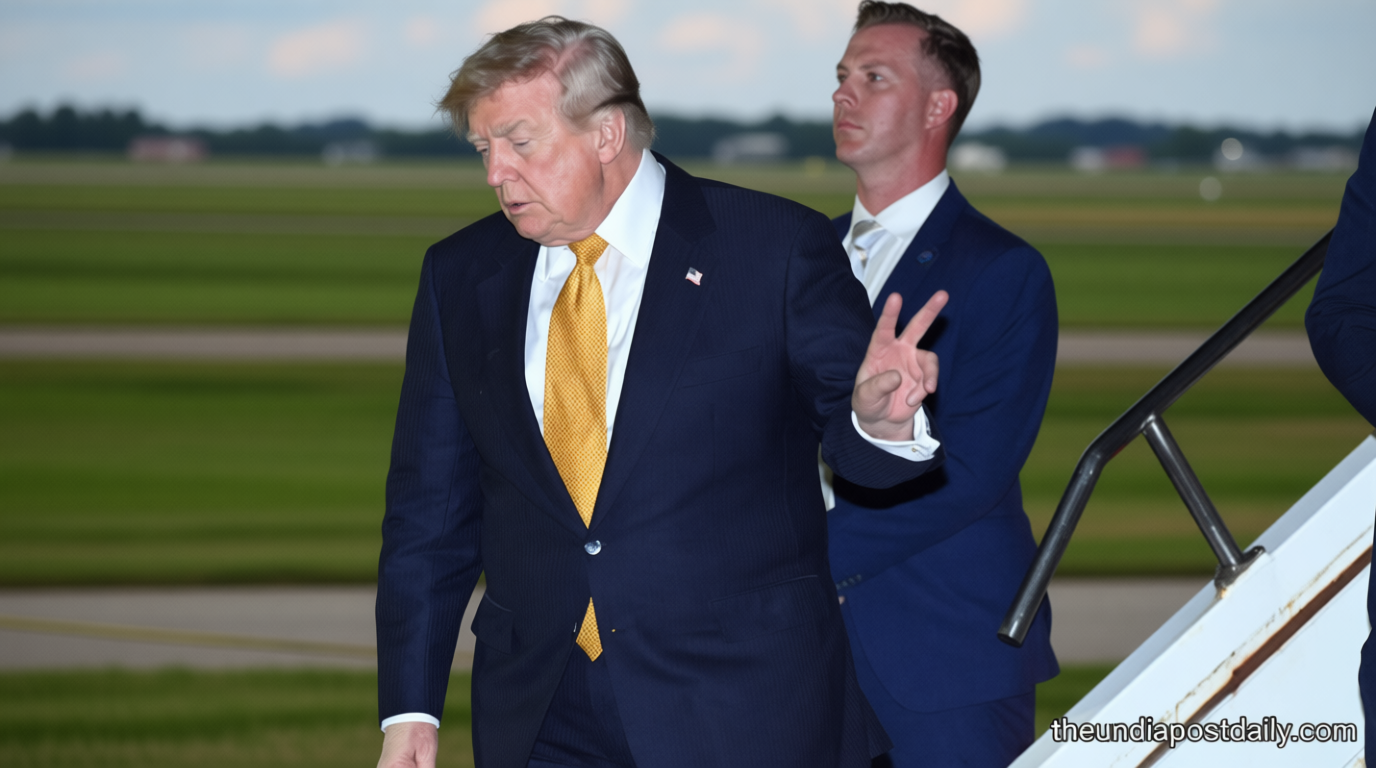
President Donald Trump, in a recent statement, declared that the previous ceasefire discussions with Iran were no longer valid. He emphasized that the U.S. was taking decisive action to “send a message” to Tehran, asserting that Iran had failed to uphold its commitments under the existing agreement. “They called a little while ago, they want to make a deal so badly. I just do not know if they are worthy of making a deal,” Trump said in a post on Truth Social, suggesting his skepticism about Iran’s willingness to negotiate. This comment was made in the context of a growing number of incidents involving Iranian military strikes on international shipping, which the administration claims justify the new round of attacks.
“We will probably carry out more strikes on Iran,” Trump stated, framing the operation as a necessary step to counter what he described as “unjustified aggression.” His remarks reflect a shift in U.S. strategy, moving from diplomatic engagement to a more assertive military approach. The President’s emphasis on Iran’s “worthiness” of making a deal highlights the political dimension of the conflict, with U.S. leaders questioning whether Iran can be trusted to honor future agreements. This sentiment is echoed by officials within the Trump administration, who have expressed frustration over Iran’s actions and its perceived defiance of international commitments.
Iran’s Response and Regional Implications
Iran swiftly condemned the U.S. strikes, accusing Washington of violating the terms of their previous agreement and escalating the situation unnecessarily. A spokesperson for Iran’s Foreign Ministry, quoted by Iran International, stated that the attacks targeted “vital infrastructure” and would “lead to a new phase of confrontation.” The country’s military and intelligence agencies are reportedly preparing for further retaliation, with officials warning that the strikes could trigger a broader conflict in the region. Iran’s strategic location and control over the Strait of Hormuz make it a critical player in global energy security, and its military buildup has long been a point of contention with the U.S.
The attacks on Iranshahr Airport and other facilities are part of a pattern of U.S. military interventions in Iran, which have intensified since the withdrawal from the 2015 Iran nuclear deal. The U.S. has cited Iran’s support for groups like Hezbollah and its nuclear program as justification for these strikes, but Iran argues that the actions undermine diplomatic efforts and threaten regional stability. Analysts suggest that the current conflict could have far-reaching consequences, affecting trade, alliances, and the balance of power in the Middle East. The U.S. is likely to continue its military posture unless Iran demonstrates a commitment to negotiations, according to experts in international relations.
As the situation unfolds, the U.S. and Iran are engaged in a high-stakes game of brinkmanship, with both sides using the strikes to assert their positions. The operation is expected to further strain relations between the two countries, potentially leading to increased military activity and economic sanctions. Iran’s response to the attacks may involve launching its own strikes or intensifying its support for proxy groups in the region, which could draw in other nations like Iraq or Syria. The broader geopolitical implications are significant, as the conflict threatens to disrupt global oil supplies and escalate into a wider regional war.
The U.S. has been leveraging its military might to exert pressure on Iran, particularly after the Iranian attacks on commercial vessels in the Strait of Hormuz. By targeting key infrastructure, the U.S. aims to cripple Iran’s ability to project power and disrupt international trade. This strategic move aligns with the administration’s broader approach of using force to counter perceived threats, a policy that has drawn both support and criticism from allies and adversaries alike. The international community is closely watching the developments, with some countries expressing concern over the potential for escalation while others view the strikes as a necessary step to maintain security in the region.