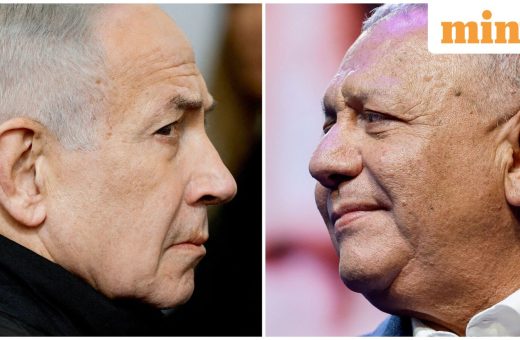
US, Israel plan ‘short but intensive’ strikes on Iran after mid-term elections; will Trump approve?
American and Israeli military planners have prepared options for a renewed campaign against Iran that could begin after the United States holds its midterm
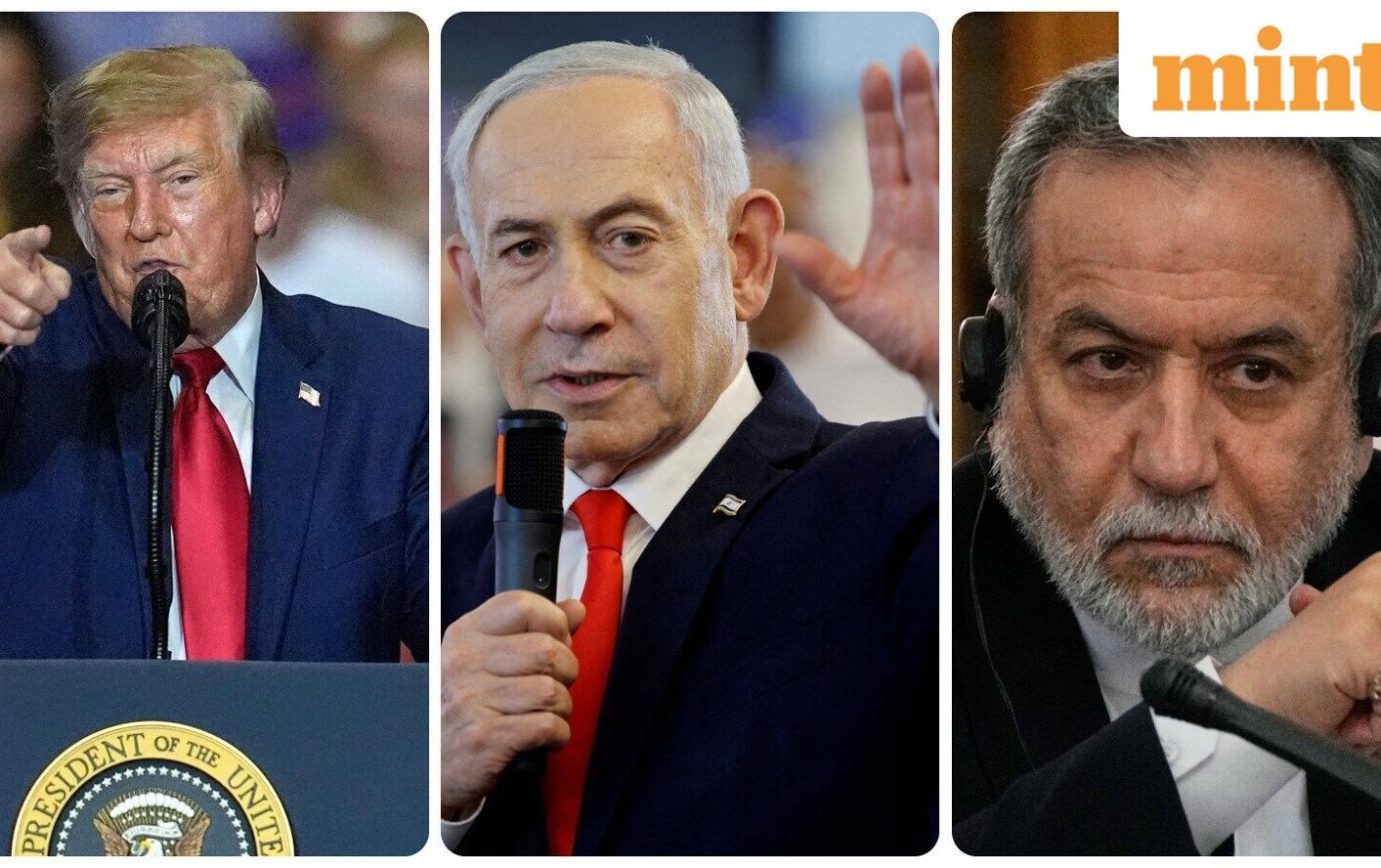
US and Israel Weigh Fresh Iran Strikes After November Midterms
Theindiapostdaily.com – American and Israeli military planners have prepared options for a renewed campaign against Iran that could begin after the United States holds its midterm elections on November 3. The proposed action is described as brief in duration but highly concentrated, with possible targets extending across Iran’s energy sector, nuclear sites, and missile and drone capabilities.
The election will determine control of the US House of Representatives and Senate, making the political timing significant for President Donald Trump and Republican lawmakers. Any decision to return to major military operations could carry domestic consequences, particularly if it contributes to higher fuel costs or a longer regional conflict.
Military Planning and Potential Targets
US Defense Secretary Pete Hegseth met Israeli Prime Minister Benjamin Netanyahu in Israel this week as the two governments discussed possible new operations. Military preparations have also intensified, including exercises involving aircraft flying over Iraq to rehearse strike-related maneuvers.
The potential target list is broad. It could include infrastructure connected to Iran’s energy production, facilities linked to its nuclear program, and assets supporting its missile and drone forces. Supporters of a further round of strikes believe a major new operation could increase economic pressure on Tehran and potentially push Iranian leaders toward concessions in diplomatic negotiations.
Iran has faced nearly eight months of conflict and sustained pressure. A strike campaign aimed at energy installations could have consequences beyond the battlefield, since damage to such facilities could affect domestic supply, government revenue, and wider regional energy markets. Attacks on missile and drone stockpiles, meanwhile, would likely be intended to reduce Iran’s ability to retaliate or support allied armed groups.
Yet the military objective would not necessarily be straightforward. Nuclear-related facilities are often difficult to disable permanently, while missile systems can be dispersed, concealed, or replaced. Any operation would therefore involve a calculation about whether the likely military gains outweigh the risks of retaliation and broader instability.
Questions Over Whether Trump Will Authorize Action
Despite the detailed preparations, approval from Trump remains uncertain. He has repeatedly declined plans to resume large-scale combat this year, including a proposed operation this month when US and Israeli forces were said to be close to launching an attack.
The president’s hesitation reflects the difficult choices facing Washington. A new operation could demonstrate resolve and increase negotiating leverage, but it could also create pressure for a deeper and more prolonged US military commitment. The conflict has already raised concerns over inflation and energy prices, issues that carry particular weight as voters prepare to decide the balance of power in Congress.
“Still, there are reasons to be skeptical that a renewed war would be any more successful than the first phase of intense US-Israeli strikes between February and April.”
The earlier phase of fighting showed how quickly the effects of a regional confrontation can spread. It contributed to increased energy prices and inflation internationally, weakened security across the Middle East, and placed severe demands on the Pentagon’s supply of missile interceptors. Those constraints remain important as US officials consider whether another burst of military action could deliver a clearer result.
Iran Prepares for a Wider Response
Iranian leaders are preparing for the possibility that the United States could resume large-scale attacks. Senior commanders are reviewing plans for a response intended to be broader and more forceful than earlier retaliation, while Tehran also continues to seek ways to prevent a further escalation through negotiations.
Potential Iranian retaliation may not be limited to US-linked assets. Military planners have considered expanding the range of possible targets to include countries that support American operations and, potentially, locations beyond the Middle East. Such an approach would raise the stakes substantially for regional governments hosting US personnel, equipment, or military facilities.
Tehran is also watching the political pressures facing Trump. The conflict has not been popular with many Americans, while the prospect of higher gasoline prices remains a concern ahead of the midterms. Iranian officials appear to view those factors as part of the strategic environment, alongside the military balance itself.
Conflict Continues Despite April Ceasefire
The current confrontation began with US-Israeli attacks on February 28. A ceasefire reached on April 8 brought the 40-day war to an end, but it did not resolve the underlying disputes. Since then, hostilities have continued intermittently, leaving both sides prepared for another escalation.
The United States is assembling a major military arsenal expected to be fully positioned by early November. At the same time, diplomacy remains active. American negotiators are using the possibility of renewed combat to press Iran on its nuclear program and on control of the Strait of Hormuz, the strategically vital waterway through which a substantial share of global oil shipments travels.
Iran has so far resisted concessions on its nuclear activities, maintaining that the issue should be deferred until a later stage of discussions. That position leaves diplomacy at an impasse on one of the central issues driving the confrontation.
For now, the next phase depends on decisions in Washington, Jerusalem, and Tehran. A short, intense strike campaign may be under consideration, but its consequences could be far more lasting: renewed disruption to energy markets, heightened risks for US forces and regional partners, and a further narrowing of the path toward a negotiated settlement.
Related Reading
Frequently Asked Questions
What is US Israel plan short but intensive?
US Israel plan short but intensive is the main topic of this guide. The article explains the context, practical details, and next steps readers should understand.
Why does US Israel plan short but intensive matter?
US Israel plan short but intensive matters because readers are looking for a useful answer, not just a short summary. Good content should match search intent and help them decide what to do next.