US-Israel-Iran war: Trump says Tel Aviv, Tehran will agree to a ceasefire after trading missiles | Top updates
In a pivotal move, US President Donald Trump suggested that a
Trump Seeks Ceasefire in US-Israel-Iran War Amid Missile Exchanges
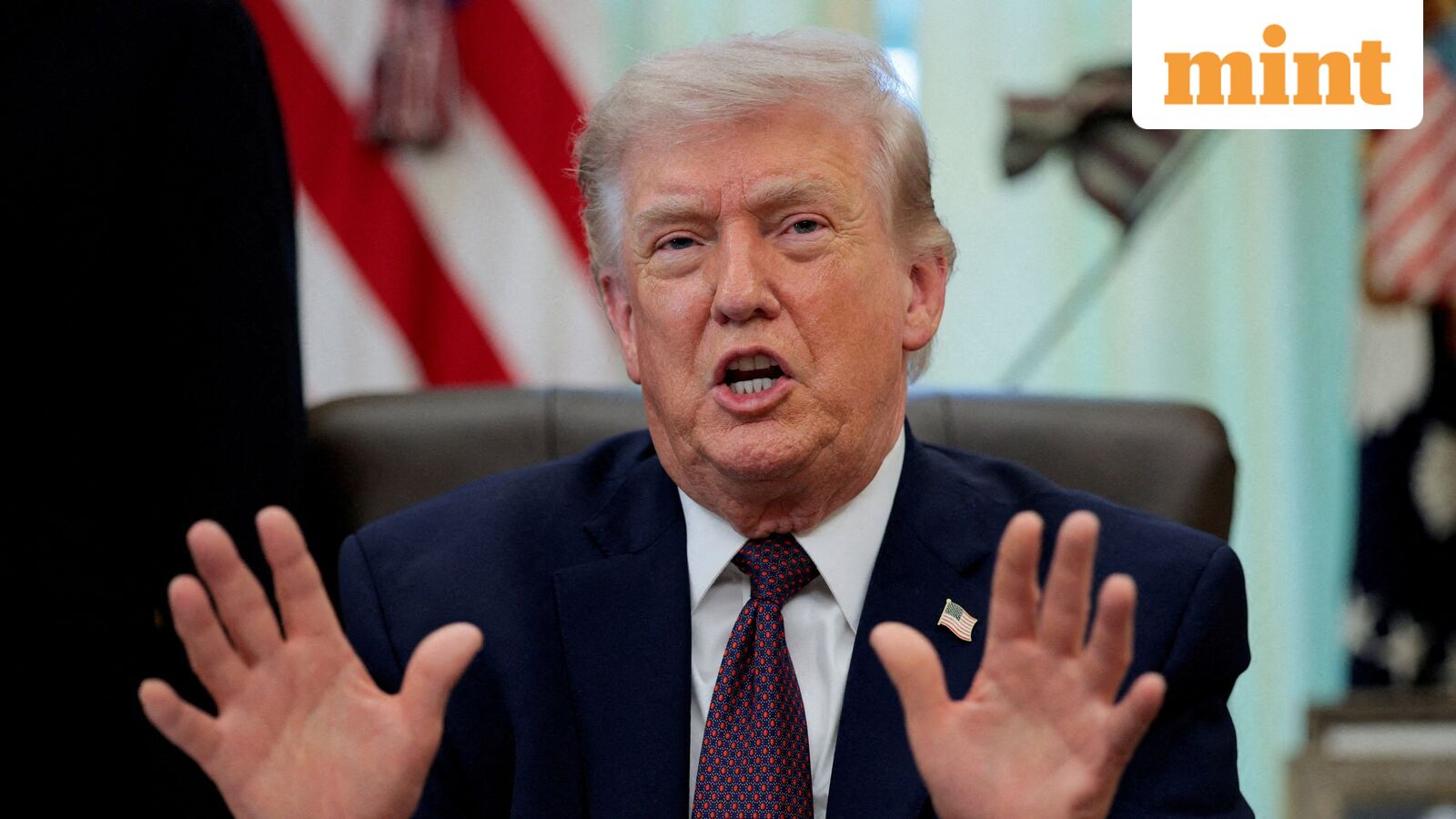
Theindiapostdaily.com – In a pivotal move, US President Donald Trump suggested that a ceasefire between Israel and Iran could be achieved if both sides agree to trade missiles, signaling hope for de-escalation in the ongoing US-Israel-Iran conflict. The declaration came as tensions surged, with recent missile attacks and retaliatory strikes reshaping the regional standoff. Trump’s remarks, shared on his social media platform, hinted at a diplomatic resolution that could bring an end to the cycle of violence.
Tensions Escalate with Missile Attacks
The conflict took a sharp turn on June 7 when Iran launched a barrage of missiles at Israeli targets, the first such assault in over a month since a previous ceasefire. In response, Israeli forces retaliated with airstrikes on central and western Iran, raising fears of a broader war. The cycle of missile exchanges has become a defining feature of the US-Israel-Iran war, with each side accusing the other of provoking the next round.
Trump’s Mediation Strategy
Trump emphasized his role as a mediator, stating that Israel and Iran were “looking to do an immediate CEASEFIRE!” in a post on Truth Social. He framed the ceasefire as a result of “final negotiations on ‘Peace'” and noted that the blockade would remain until a “Final Deal” was reached. This approach aims to leverage US influence to stabilize the volatile dynamics of the US-Israel-Iran war.
Iran’s Conditional Ceasefire
Iran’s military confirmed the suspension of attacks on Tel Aviv but warned that further strikes could follow if Israel continued its operations in Lebanon. The Islamic Republic cited Israeli actions in Beirut as justification, though no immediate response from Tel Aviv was disclosed. This conditional stance underscores the complexity of the US-Israel-Iran war, where military and diplomatic strategies are intertwined.
Israeli Plans for Strategic Discussions
Israeli officials are preparing to hold a security cabinet meeting to evaluate the situation, following consultations with defense experts. The meeting is expected to outline next steps in response to the missile exchanges and Iran’s ceasefire proposal. While the US-Israel-Iran war remains unresolved, Israel’s focus on strategic planning reflects its determination to secure regional stability.
Iranian President’s Diplomatic Remarks
Iranian President Masoud Pezeshkian reiterated the nation’s commitment to negotiations, stating,
Our priority is national security and the peace of our people. We will defend the rights of the nation with authority and will not retreat in the face of any threat. Diplomacy and defense are the two wings of national power; we have neither abandoned the field nor the negotiating table.
His comments highlight Iran’s dual approach of maintaining military readiness while pursuing diplomatic solutions in the US-Israel-Iran war.
Regional Actors and Broader Implications
Yemen’s Iran-backed Houthis have also entered the fray, vowing to target Israeli maritime routes in the Red Sea. Their involvement adds another layer to the US-Israel-Iran war, as they position themselves as a key player in regional oil supply. Meanwhile, Iran’s Foreign Ministry accused the US of enabling Israel’s actions, framing the conflict as a struggle for Middle East dominance.
Tracking the Ceasefire’s Progress
As both nations engage in high-stakes discussions, the success of the ceasefire hinges on mutual trust and willingness to compromise. Trump’s intervention has positioned the US as a critical mediator, though the timeline for resolution remains uncertain. The ongoing missile exchanges and diplomatic efforts continue to shape the US-Israel-Iran war, with global attention closely following developments.