US-Iran war news LIVE: UN maritime agency halts Strait of Hormuz ship evacuations after vessel attacked
US-Iran War LIVE: UN Halts Hormuz Ship Evacuations After Vessel Attack Theindiapostdaily.com – Breaking news in US-Iran war updates: The United Nations Maritime Agency has suspended ship evacuations through the…
US-Iran War LIVE: UN Halts Hormuz Ship Evacuations After Vessel Attack
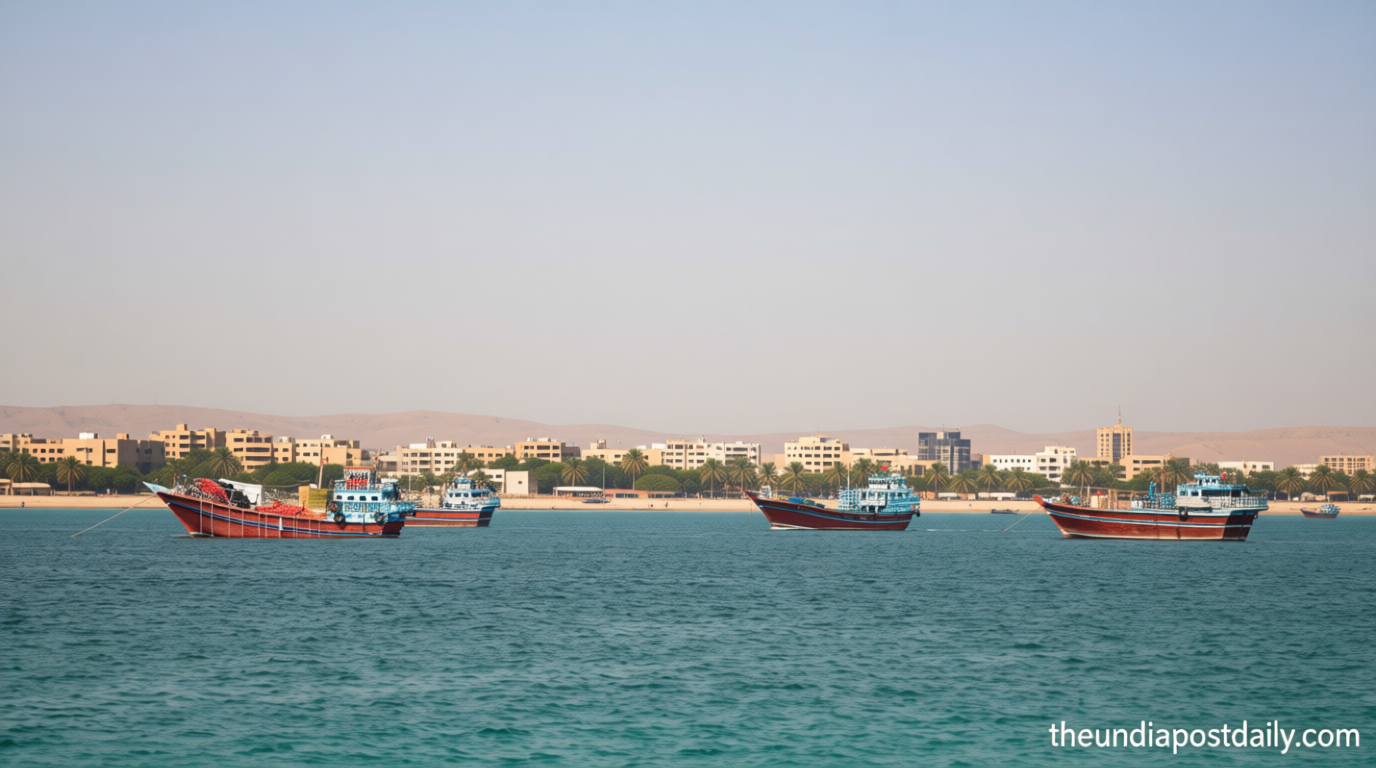
Theindiapostdaily.com – Breaking news in US-Iran war updates: The United Nations Maritime Agency has suspended ship evacuations through the Strait of Hormuz following an attack on a vessel near Oman. This development has intensified concerns over the safety of maritime traffic in the critical waterway, which serves as a vital artery for global oil exports. The decision to pause operations comes as tensions escalate between Iran and the US, with the UN emphasizing the need for clarity on security measures before resuming evacuations.
Strategic Implications of the Hormuz Halt
The Strait of Hormuz, a narrow passage linking the Persian Gulf to the Arabian Sea, is pivotal for international energy trade. With approximately 20% of the world’s oil passing through this chokepoint daily, any disruption could send shockwaves through global markets. The recent attack on a vessel—believed to be a commercial ship—has raised alarms, prompting the UN to prioritize safety over speed. Officials stated the evacuations would remain paused until they verified that both Iran and the US had established protocols to protect vessels in the region.
Trump’s Crop Purchase Plan: A Move to Ease Sanctions
As the conflict intensifies, President Donald Trump’s strategy to leverage Iranian assets has gained new relevance. The administration announced plans to use frozen Iranian assets to purchase crops such as wheat, soybeans, and corn from American farmers. This initiative aims to provide economic relief to US agricultural sectors while maintaining pressure on Iran through financial constraints. However, critics argue that the plan may not address the broader geopolitical stakes of the war, which include control over strategic resources and regional influence.
Trump’s approach reflects a balancing act between economic and military objectives. By redirecting Iranian assets toward US farm support, the administration seeks to mitigate the impact of sanctions on domestic industries. Yet, the plan has drawn mixed reactions, with some experts noting that it could be seen as a goodwill gesture to ease diplomatic pressure. The move also highlights the interconnectedness of global trade and military conflict, as the fate of oil shipments remains tied to the stability of the region.
Hezbollah’s Ceasefire Violation Claims
Amid the escalating tensions, Iran-backed Hezbollah accused Israel of breaching a ceasefire agreement in southern Lebanon. The group claimed that an Israeli air strike targeting a military outpost resulted in three civilian casualties and a significant blow to its operations. Hezbollah framed the attack as a “direct assault on civilians,” a stark contrast to Israel’s assertion that it had neutralized key Hezbollah positions. This dispute adds another layer of complexity to the broader US-Iran conflict, with regional actors caught in the crossfire.
Rubio’s Opposition to Hormuz Toll Proposals
US Secretary of State Marco Rubio has voiced strong opposition to any proposal allowing Iran to impose tolls on ships traversing the Strait of Hormuz. During a recent visit to Bahrain, Rubio stated, “You can call it a toll, you can call it a fee—whatever you want to call it, it’s a game of semantics.” His comments underscore Washington’s commitment to ensuring free passage for commercial vessels, which are essential for global trade. Rubio argued that such fees would grant Iran undue control over maritime logistics, potentially creating long-term economic vulnerabilities for nations reliant on the strait.
The debate over navigation fees has intensified as Gulf Cooperation Council (GCC) nations weigh their options. While Oman has sought to mediate, it has clarified its stance against tolls, aligning with the US and GCC allies. Rubio’s emphasis on security concerns highlights the broader strategic implications of the dispute, as the strait’s control remains a focal point for both economic and military dominance in the region.
Global Reactions and Future Outlook
The halt in ship evacuations has sparked reactions from international stakeholders. The International Chamber of Shipping expressed concern over the potential for increased risks in the region, while oil analysts warned of possible price spikes due to supply chain disruptions. Meanwhile, Iran has called for a united front among Middle Eastern countries to resist US economic pressures, framing the situation as a test of regional solidarity.
As the conflict unfolds, the role of the UN Maritime Agency remains central to ensuring safe passage for vessels. The agency’s decision to pause operations reflects its cautious approach to balancing diplomatic efforts with security needs. Analysts suggest that the outcome of this standoff will depend on both parties’ willingness to compromise, as well as the broader geopolitical context shaping their actions.
With the US and Iran locked in a standoff over control of the Strait of Hormuz, the future of the region’s maritime trade hangs in the balance. The latest developments underscore the high-stakes nature of the conflict, where military actions and economic strategies intertwine. As negotiations continue, the global community watches closely, aware that the decisions made here could impact energy prices, trade routes, and international alliances for years to come.