US-Iran war news LIVE: Airstrikes intensify across West Asia; US says technical talks with Iran to continue
Breaking US Iran war news LIVE today as military actions escalate across the Middle East, with
US-Iran War News LIVE: Escalation Intensifies in West Asia
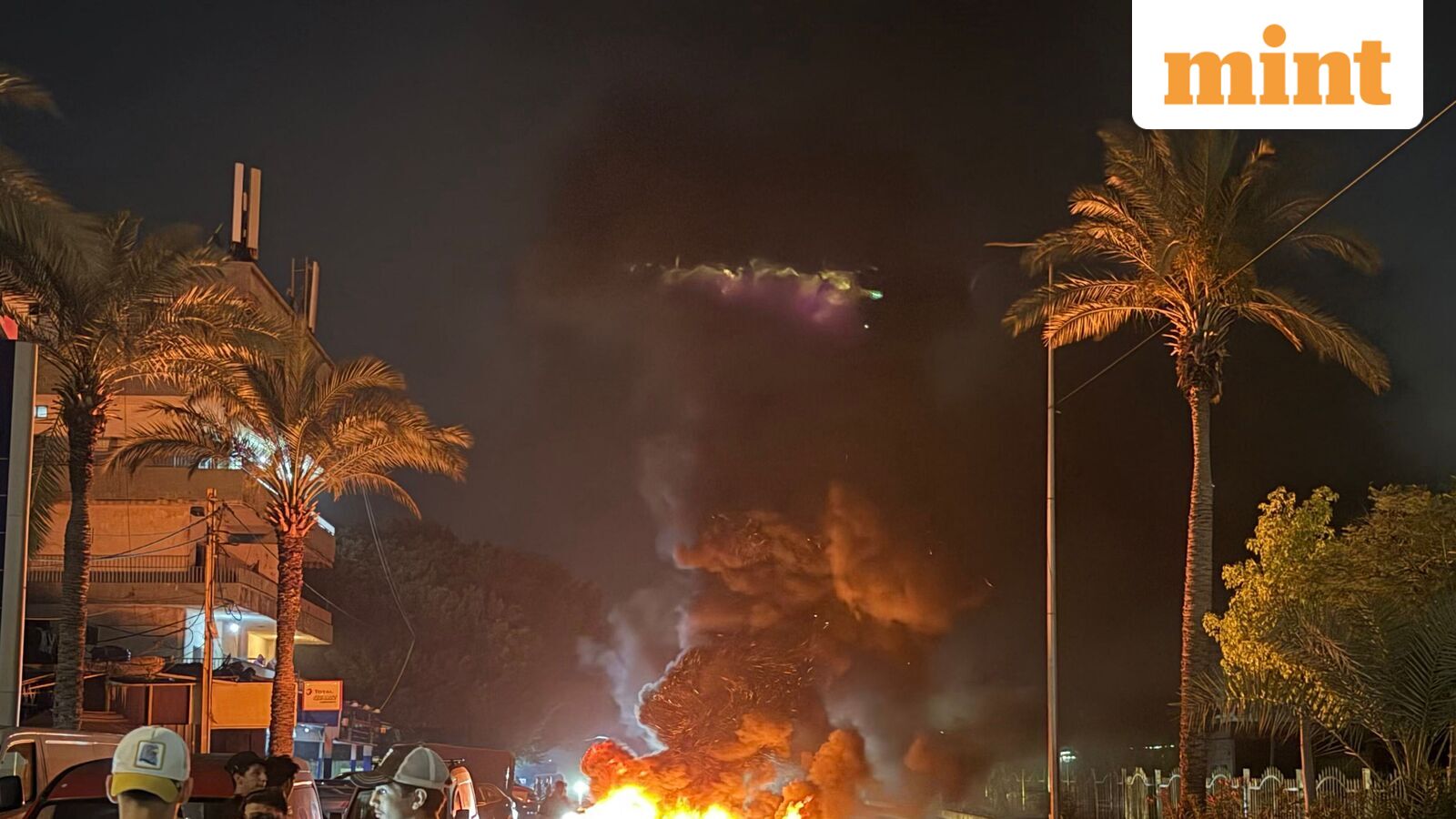
Theindiapostdaily.com – Breaking US Iran war news LIVE today as military actions escalate across the Middle East, with Washington and Tehran locked in a tense standoff. The United States has intensified airstrikes in the region, targeting strategic locations in Kuwait and Qatar, while Iran retaliates by striking US allies in Bahrain and other Gulf states. This surge in hostilities has cast doubt on the interim ceasefire agreement, which was signed on June 17, and raised concerns about the stability of the fragile truce. As the situation unfolds, the global community watches closely, with oil markets and regional security at the forefront of the discussion.
Technical Talks Continue Amid Rising Tensions
Despite the recent clashes, US officials have confirmed that technical negotiations with Iran are still underway. The talks, which began in earnest after the initial airstrikes, aim to address key issues such as missile deployment, troop movements, and economic sanctions. A spokesperson for the White House emphasized that the administration remains committed to resolving the conflict, even as the ceasefire faces mounting pressure. President Donald Trump, who declared the agreement “over” on Wednesday, has pledged to keep the dialogue open, stating he will not abandon efforts to de-escalate the situation. “We are not done yet,” the president said in a statement, “and the US Iran war news LIVE will continue to evolve as we seek a lasting solution.”
“The ceasefire was over,” said Trump, “but we will continue negotiations.”
Iran’s Retaliatory Strikes and Khamenei’s Legacy
Tehran’s military response to US actions has been swift and decisive, with reports of attacks on infrastructure in Gulf nations. The Iranian Revolutionary Guard Corps (IRGC) is believed to have targeted US installations and allies, including the 5th Fleet headquarters in Bahrain. These strikes have not only raised fears of a broader conflict but also highlighted Iran’s resolve to assert its influence in the region. Meanwhile, the funeral of Ayatollah Ali Khamenei, the late Supreme Leader of Iran, has taken place at the Imam Reza shrine in Mashhad, a site of profound religious significance. The ceremony, broadcast by Iran’s state media, underscored the nation’s unity amid the ongoing crisis, with Khamenei’s successor, Mojtaba Khamenei, absent from the proceedings.
Analysts note that the timing of the funeral and the retaliatory strikes may be strategically linked, with Iran using the occasion to signal its determination to counter US aggression. The attacks on Gulf infrastructure are seen as both a military and symbolic move, aiming to disrupt US regional operations and challenge its dominance. The IRGC’s involvement in the strikes further complicates the conflict, as the group has historically played a central role in Iran’s military campaigns.
Strait of Hormuz and Global Oil Market Reactions
The strategic importance of the Strait of Hormuz has become a focal point of the US-Iran war news LIVE updates. Trump’s remarks that Iranian attacks on oil tankers in the strait marked the end of the ceasefire have intensified fears of a disruption in global energy supplies. The US has since launched airstrikes on Iranian targets in southern and eastern regions, aiming to deter further aggression. However, the oil market has shown remarkable resilience, with prices stabilizing despite the heightened risk of conflict. West Texas Intermediate crude oil remains near $72 per barrel, and Brent crude continues to trade above $76, as traders assess the potential for sustained calm in the region.
International energy experts highlight that the Strait of Hormuz is a critical chokepoint for global oil trade, with approximately 20% of the world’s oil passing through it daily. The US and Iran’s brinkmanship has prompted discussions among OPEC members and other energy producers about contingency plans to safeguard supply chains. Meanwhile, regional powers such as Saudi Arabia and the United Arab Emirates have called for diplomatic efforts to prevent a full-scale war, emphasizing the economic consequences of prolonged hostilities.
Regional Alliances and Strategic Implications
The US-Iran conflict has placed significant strain on the alliances of Washington’s regional partners, particularly in the Gulf Cooperation Council (GCC). Countries like Bahrain, the UAE, and Saudi Arabia have been targeted by Iranian strikes, forcing them to reassess their military and economic cooperation with the United States. The US has sought to reassure its allies by continuing technical talks, but the persistent attacks have raised questions about the long-term viability of these partnerships. Analysts suggest that the region’s response to the US Iran war news LIVE may shape the future of its foreign policy strategies.
Additionally, the conflict has drawn attention to the broader geopolitical dynamics in the Middle East. Iran’s actions are seen as part of its ongoing campaign to counter US influence and bolster its regional allies, such as Hezbollah in Lebanon and the Houthis in Yemen. The US, on the other hand, aims to secure its interests in the region while maintaining diplomatic channels with Iran. This delicate balance between military action and negotiation is crucial for preventing a full-scale war and ensuring stability in West Asia.
Historical Context and Diplomatic Efforts
Historical tensions between the US and Iran date back decades, with the 1979 Islamic Revolution marking a turning point in their relationship. The current conflict, however, has been fueled by recent events, including the US’s withdrawal from the 2015 nuclear deal and the subsequent reimposition of sanctions. The interim ceasefire, signed on June 17, was intended to provide a temporary reprieve and allow for renewed diplomatic talks, but the recent airstrikes and retaliatory strikes have tested its endurance. The US Iran war news LIVE updates reveal a pattern of escalating threats, with both sides demonstrating a willingness to escalate tensions further.
Despite the setbacks, diplomats from both countries have expressed hope that technical negotiations can pave the way for a more comprehensive agreement. The talks are expected to cover a range of issues, including Iran’s nuclear program, regional security, and the fate of the Iran nuclear deal. The US aims to secure commitments from Iran regarding its military activities in the region, while Iran seeks guarantees on lifting sanctions and preserving its strategic autonomy. These discussions are critical for addressing the root causes of the conflict and preventing its escalation into a full-scale war.