US-Iran War LIVE Updates: Republicans hold fresh vote on war powers after war of words with Trump
As the US-Iran War LIVE Updates continue to unfold, a
US-Iran War LIVE Updates: Congress Votes on War Powers Amid Trump Tensions
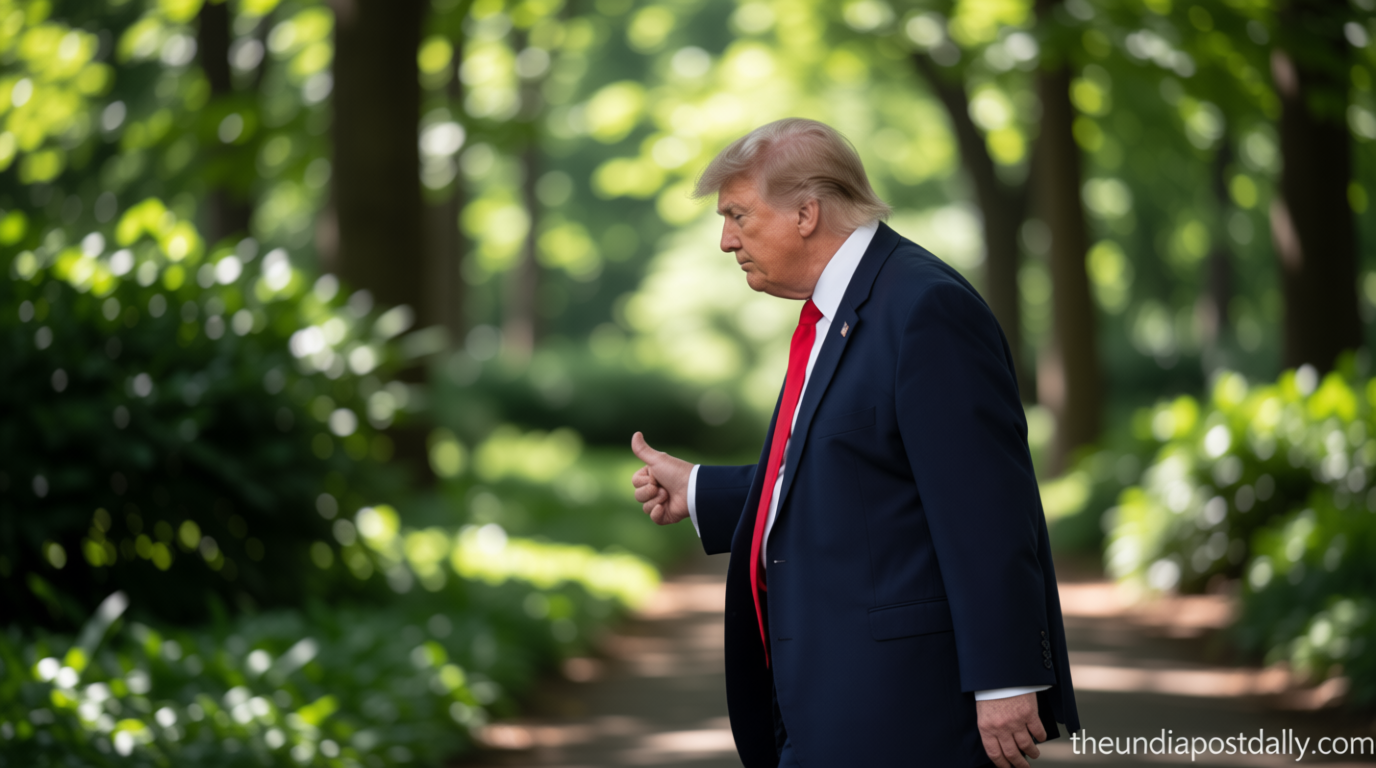
Theindiapostdaily.com – As the US-Iran War LIVE Updates continue to unfold, a pivotal moment emerged when the U.S. Congress initiated a fresh vote on war powers following a heated exchange with President Donald Trump. The resolution, which seeks to limit executive authority in military actions against Iran, was debated in a closed-door session just hours before the supplemental spending request was formally introduced. Trump, addressing the crowd at the Freedom 250 rally, defended his stance on Iran’s nuclear ambitions, insisting the conflict is a critical national security issue that requires swift and decisive action. His remarks highlighted the growing rift between the administration and lawmakers, setting the stage for a pivotal vote that could reshape the trajectory of the war.
Supplemental Funding Request and Political Divisions
The White House has proposed an additional $87.6 billion in funding to sustain military operations in the Middle East, support agricultural programs, and address the Ebola outbreak. This supplemental bill, drafted by the Office of Management and Budget, aims to provide the necessary resources for the ongoing US-Iran War LIVE Updates, including expanded troop deployments and missile defense systems. However, the request has sparked intense debate among lawmakers, with Democrats like Senator Chuck Schumer criticizing the administration for leveraging the war as a means to secure more financial resources. The split between the president and Congress underscores the broader political tensions shaping the conflict, as the war powers vote becomes a symbolic showdown over control of military decisions.
Iranian School Attack: Ambiguity and Strategic Implications
Amid the escalating US-Iran War LIVE Updates, uncertainty persists over the origins of a recent missile strike that targeted an Iranian school. During a meeting with NATO Secretary-General Mark Rutte, Trump expressed skepticism about determining responsibility for the attack, stating, “I don’t know that they’re ever going to solve that problem in terms of whose fault it was.” The president emphasized the chaos of missile activity in the region, suggesting that the attack could have been a deliberate act to destabilize Iran’s domestic infrastructure. Analysts argue that such an event might signal a shift in Iran’s strategy, potentially escalating tensions with the U.S. and its allies in the Gulf.
Meanwhile, the U.S. Department of Defense has been investigating the attack, with intelligence reports indicating the involvement of regional actors. The incident has intensified discussions about the risks of prolonged military engagement and the need for clear attribution of attacks to justify further action. As the US-Iran War LIVE Updates progress, the question of who benefits from continued hostilities remains central to the debate, with critics warning of the humanitarian and economic toll on both nations.
Rubio’s Gulf Security Pledge and Congressional Concerns
U.S. Secretary of State Marco Rubio has reaffirmed the administration’s commitment to maintaining stability in the Gulf region, which is a key battleground in the US-Iran War LIVE Updates. In a recent statement, Rubio highlighted the importance of protecting American allies, such as Saudi Arabia and the United Arab Emirates, from Iranian aggression. “The Gulf remains a vital region for U.S. interests, and our strategy is to ensure its security through both military and diplomatic channels,” he said. This pledge comes as lawmakers express concern over the potential consequences of the war powers vote, fearing it could lead to increased military involvement or a breakdown in diplomatic negotiations.
Senator Rubio’s comments align with broader congressional efforts to balance military action with diplomatic engagement. While some Republicans support the funding request, others argue for a more measured approach, emphasizing the need for a ceasefire to de-escalate tensions. The upcoming vote is expected to reflect these divisions, with the outcome potentially influencing the U.S. strategy in the region. As the US-Iran War LIVE Updates intensify, the focus remains on how the conflict will be managed in the coming weeks.
Historical Context and Escalating Tensions
The current conflict between the U.S. and Iran is part of a larger pattern of escalating tensions that have persisted for years. Since the 2018 withdrawal from the Joint Comprehensive Plan of Action (JCPOA), the Trump administration has imposed stringent sanctions on Iran, citing its nuclear program and support for regional proxies. These actions have led to a series of confrontations, including the U.S. military strikes on Iranian facilities and the imposition of a “maximum pressure” campaign. The supplemental funding request is seen as a direct response to these measures, aiming to bolster the U.S. military’s ability to counter Iranian activities and maintain a strategic presence in the region.
Historical context reveals that the US-Iran War LIVE Updates are not a sudden development but a culmination of long-standing disagreements over Iran’s nuclear ambitions and regional influence. The current conflict has also drawn comparisons to the 2003 Iraq War, with some critics arguing that the U.S. is once again deploying military force without sufficient diplomatic groundwork. As the vote approaches, the debate over the balance between military readiness and international diplomacy continues to shape the narrative of the US-Iran War LIVE Updates.