US, Iran sign tentative deal to end war: 10 key things to know— oil price falls, Hormuz to reopen
The United States and Iran have inked a tentative deal to end the ongoing conflict, marking a
US-Iran Tentative Deal: End War, Oil Prices Drop, Hormuz to Reopen
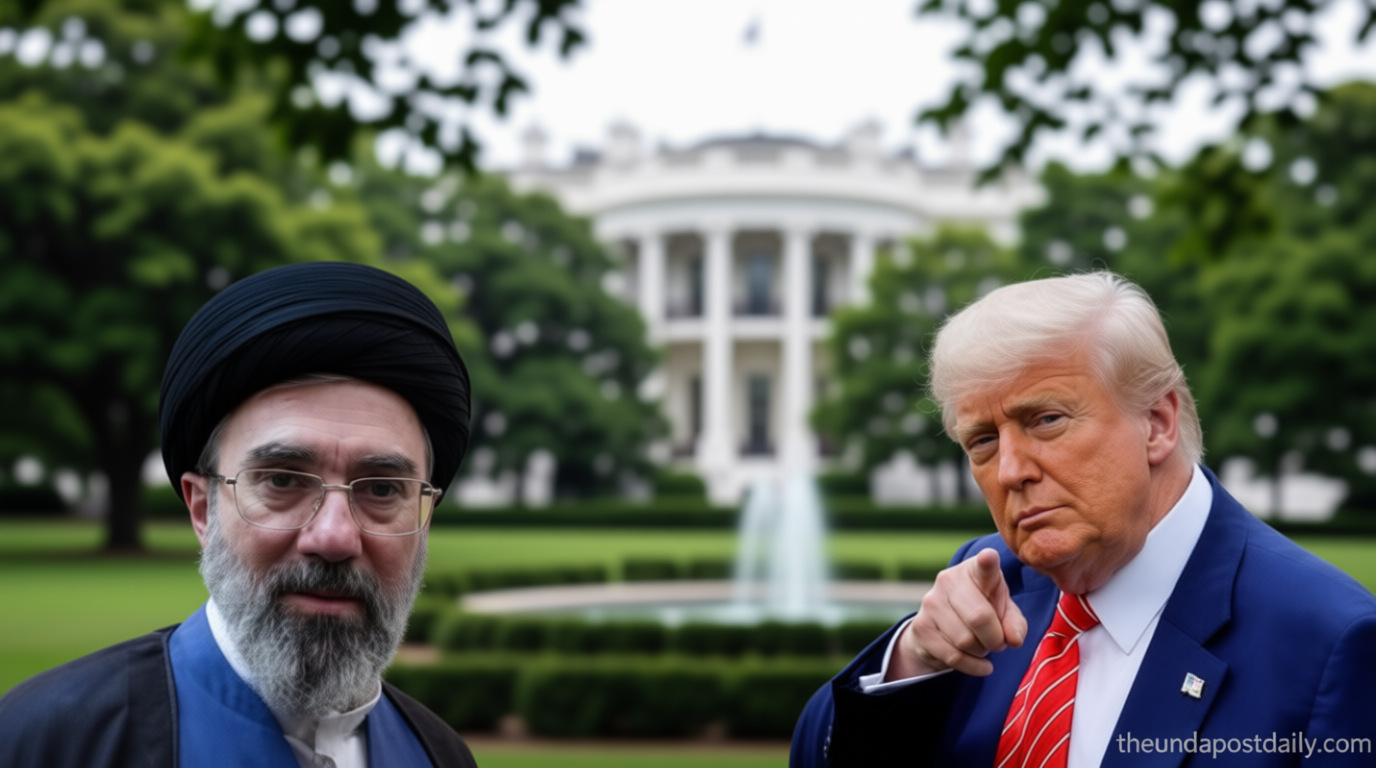
Theindiapostdaily.com – The United States and Iran have inked a tentative deal to end the ongoing conflict, marking a pivotal moment in the region’s geopolitics. This agreement, initially announced by Pakistan’s Prime Minister Shehbaz Sharif, aims to halt military operations across key zones, potentially signaling a shift from war to diplomacy after over 100 days of tensions. The landmark deal is set to be formally signed in Switzerland on Friday, June 19, with Sharif’s social media post revealing the critical timeline. The move has immediate implications for global energy markets, as crude oil prices fell following the announcement, and the strategic Strait of Hormuz is expected to reopen soon.
Deal Details and Immediate Actions
The provisional agreement includes 14 points, focusing on mutual commitments to reduce hostilities and facilitate asset releases. According to Iran’s Mehr news agency, the U.S. will initially unfreeze $12 billion in Iranian assets, with an additional $24 billion available during the 60-day negotiation period. These funds are intended to support Iran’s economic recovery and stabilize the region. The deal also outlines the toll-free opening of the Strait of Hormuz, a vital waterway for global oil shipments, which will no longer be blocked by U.S. naval forces. This decision is likely to ease supply chain bottlenecks and lower energy costs for consumers worldwide.
“The Deal with the Islamic Republic of Iran is now complete. I hereby fully authorize the toll-free opening of the Strait of Hormuz, and, simultaneously herewith, authorize the immediate removal of the United States Naval blockade.”
President Donald Trump emphasized the deal’s significance in restoring energy trade flows, urging ships to prepare for smoother passage. The declaration coincided with a sharp drop in Brent crude oil prices, which fell 3.95% to $83.88 per barrel, reflecting market confidence in the new arrangement.
Economic Implications and Market Reactions
The economic impact of the US-Iran tentative deal is already being felt. Crude oil prices declined sharply in response to the agreement, as traders anticipated reduced disruptions in the Persian Gulf. Meanwhile, the Indian rupee gained strength, surpassing 95 against the U.S. dollar on Monday, following a previous close of 95.11. This surge suggests optimism about improved trade relations and potential oil exports from Iran. However, experts caution that restoring full production capacity will require time, as companies need to adjust operations to meet global demand after prolonged restrictions.
International allies, including the U.K., France, Germany, and Italy, have endorsed the deal, expressing willingness to ease sanctions on Iran to secure a lasting peace. This collaborative approach could lead to a more stable regional economy and reduce reliance on U.S. economic pressure. The reopening of the Strait of Hormuz, which is critical for 20% of the world’s oil trade, is expected to alleviate fears of supply cuts and lower fuel costs for countries dependent on Middle Eastern imports.
The US-Iran tentative deal also addresses the nuclear program, with both sides agreeing to terms that will be finalized within the 60-day window. Iran’s Foreign Minister Abbas Araghchi hinted at the possibility of extending this period if necessary, ensuring flexibility in negotiations. Trump attributed the deal’s delay to an Israeli strike on Beirut, which he claimed disrupted progress. He criticized Israeli Prime Minister Benjamin Netanyahu, exclaiming, “Why did Bibi (Netanyahu) have to do a f***ing attack?” as reported by Axios, highlighting the political tensions behind the agreement.
As the US-Iran tentative deal moves forward, its broader implications for international relations are significant. The agreement could set a precedent for diplomatic resolutions in the Middle East, reducing the risk of further escalations. Trump’s participation at the G7 summit in the French Alps will provide a platform to discuss the deal’s global impact, potentially aligning allies with the new framework. Analysts note that while the deal addresses immediate conflicts, long-term stability will depend on continued cooperation and adherence to the terms of the agreement.