US-Iran peace deal: Why Tehran ‘will learn from past experience’ and is seeking UNSC approval | Explained
The US-Iran peace deal is gaining momentum as Tehran seeks formal validation from the
US-Iran Peace Deal: Tehran Aims for UNSC Approval
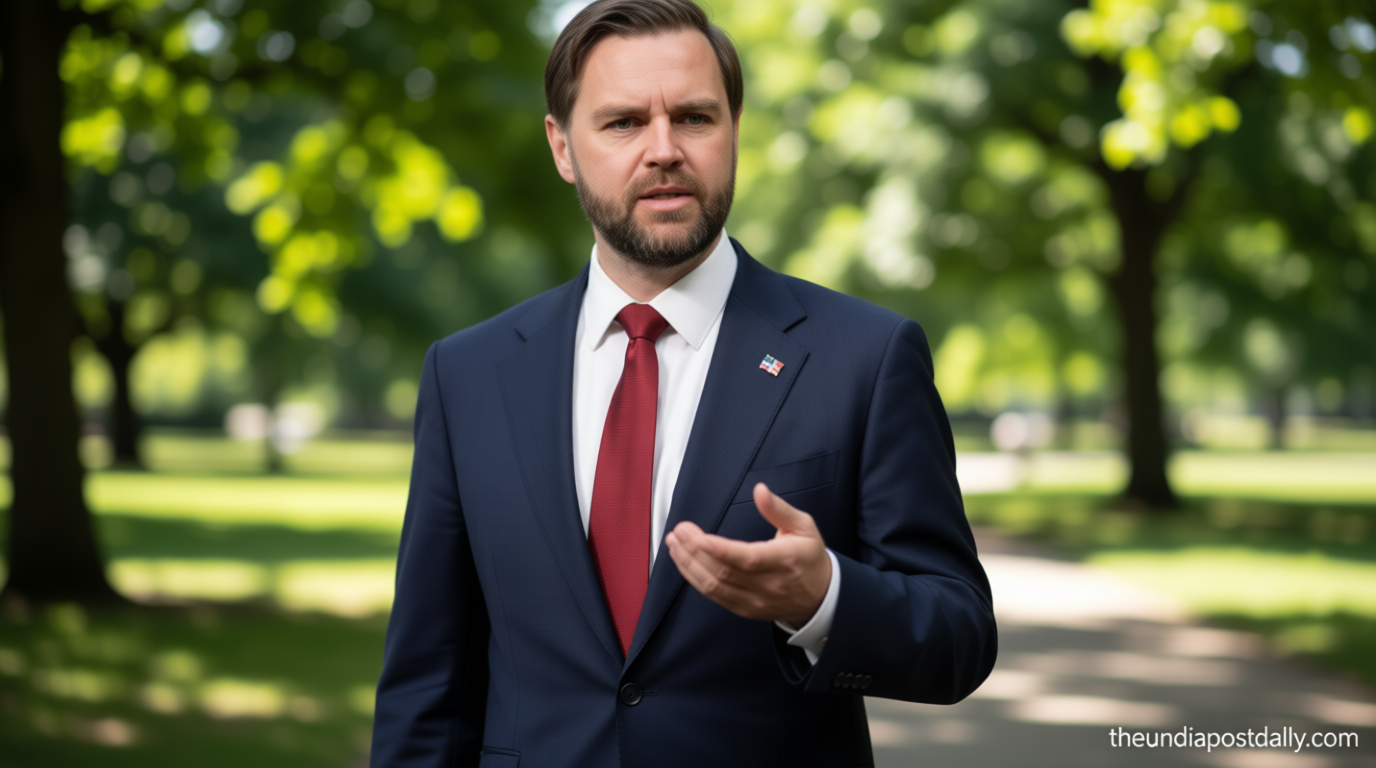
Theindiapostdaily.com – The US-Iran peace deal is gaining momentum as Tehran seeks formal validation from the United Nations Security Council (UNSC). This strategic move follows the conclusion of a comprehensive agreement between the U.S. and Iran, which is expected to be finalized soon. The Iranian Foreign Ministry, in collaboration with U.S. officials, has emphasized the importance of gaining global support to ensure the deal’s durability. President Donald Trump and Vice President JD Vance have been key players in the negotiations, and their involvement underscores the significance of the agreement in shaping international relations.
In a recent press briefing, Esmaeil Baghaei, spokesperson for Iran’s Foreign Ministry, highlighted that the final agreement will require a 60-day period for UNSC endorsement. This step is intended to build on past experiences, particularly the U.S. withdrawal from the 2015 nuclear deal. The current US-Iran peace deal aims to address those shortcomings by securing broader international backing. Baghaei noted that Tehran will not repeat past mistakes, signaling a renewed commitment to stabilizing the relationship with the West.
“The final agreement is expected to be endorsed by a United Nations Security Council resolution after a period of 60 days,” said Esmaeil Baghaei, noting that Tehran “will learn from past experience.”
2015 Nuclear Accord: A Lesson in Diplomacy
The 2015 nuclear deal, formally known as the Joint Comprehensive Plan of Action (JCPOA), was a landmark agreement that aimed to limit Iran’s nuclear capabilities in exchange for sanctions relief. Adopted by the UN Security Council in July 2015, Resolution 2231 provided the legal framework for the JCPOA, allowing Iran to access international markets while ensuring its compliance with nuclear restrictions. However, the agreement faced challenges when the Trump administration unilaterally withdrew from it in 2018, reimposing sanctions and weakening its global standing. This historical context is crucial for understanding the current efforts to secure UNSC approval for the new deal.
Clause 13 of the JCPOA, often cited as a critical component, included a “snapback” mechanism to reapply sanctions swiftly if Iran breached its commitments. While this clause was designed to provide flexibility, it became a point of contention during the U.S. withdrawal. The new MoU, now in the works, introduces a more robust requirement for UNSC endorsement, reflecting Tehran’s desire to avoid the pitfalls of the previous agreement. By incorporating this provision, the current deal aims to create a more enforceable and internationally recognized framework.
The Role of the UNSC in Validating Peace Agreements
Securing a resolution from the UNSC is a pivotal step in legitimizing the US-Iran peace deal on the global stage. While the Security Council does not have the authority to ratify treaties like national legislatures, its endorsement significantly enhances the agreement’s legal enforceability. This is particularly important in a geopolitical context where trust between nations is fragile, and external validation can help counter potential skepticism. The UNSC’s approval also ensures that the deal has the backing of the world’s major powers, which can deter future violations and encourage compliance.
The new memorandum of understanding (MoU) explicitly states that any final agreement between the U.S. and Iran must secure a UNSC resolution. This addition reflects Tehran’s awareness of the importance of international support and its desire to prevent the deal from being undermined by unilateral actions. By requiring a resolution, the agreement becomes a binding commitment under international law, which is a departure from the previous JCPOA. This change is seen as a strategic move to ensure that the US-Iran peace deal is not just a bilateral agreement but a globally recognized framework.
Domestic and International Ratification Processes
Ratification of the US-Iran peace deal involves both domestic and international steps. In the U.S., the agreement must be approved by the Senate, which requires a two-thirds majority for major treaties. This process allows for thorough debate and ensures that the deal aligns with national interests before it becomes enforceable. In contrast, Iran’s ratification involves the Islamic Consultative Assembly and the Guardian Council, which assess the agreement’s compatibility with Islamic law. Once signed by the head of state or foreign minister, the deal is formalized, but the added requirement of UNSC approval elevates its international standing.