US-Iran peace deal soon? Iranian FM Abbas Araghchi shares update, says MoU has ‘never been closer’
US-Iran Peace Deal Nears? Iranian FM Abbas Araghchi Shares Update Theindiapostdaily.com – A recent update from Iranian Foreign Minister Abbas Araghchi suggests that a US-Iran peace deal is closer than…
US-Iran Peace Deal Nears? Iranian FM Abbas Araghchi Shares Update
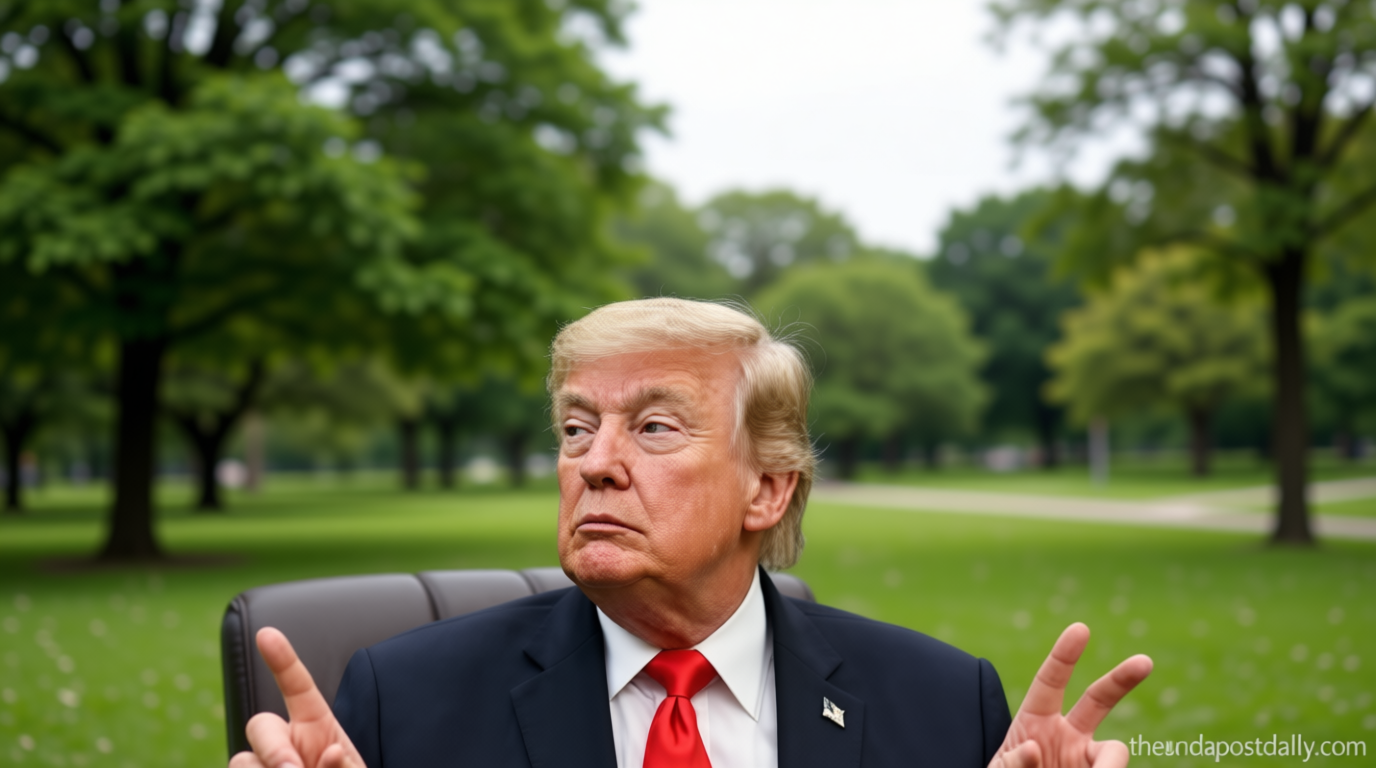
Theindiapostdaily.com – A recent update from Iranian Foreign Minister Abbas Araghchi suggests that a US-Iran peace deal is closer than ever, with the Memorandum of Understanding (MoU) now considered “never been closer” to finalization. The news comes as US President Donald Trump continues to critique the leaked terms of the potential agreement, calling them “untrue.” Araghchi’s remarks, shared on X+, signal a shift in the diplomatic landscape, as Iran reaffirms its commitment to negotiating a framework that addresses key concerns while maintaining sovereignty over critical strategic assets.
Clarifying the MoU’s Status and Leaked Terms
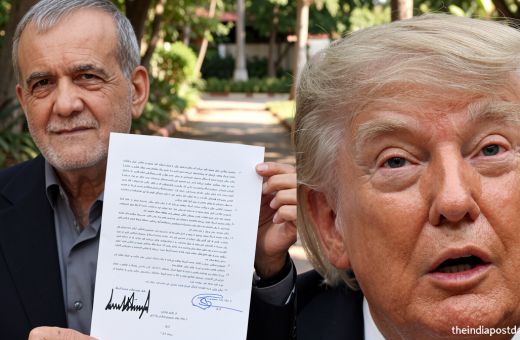
During his statement, Araghchi dismissed the leaked terms as misleading, asserting that they bear no resemblance to the formal agreement being discussed. “The terms that Iran leaked out to the Fake News have NOTHING to do with the terms that were agreed to, in writing,” he emphasized in a
blockquote
. “What they said, including their weak and pathetic statement on having a deal, bears no relation to the truth.” This clarification aims to counter speculation and highlight Iran’s confidence in the current progress, while also addressing concerns over the accuracy of media reports.
Trump’s criticism of the leaked details has sparked debate among analysts, who note that while the terms may seem contentious, they represent a significant step toward resolving the ongoing tensions. Araghchi’s assurance that the MoU is nearing completion underscores Iran’s willingness to engage in dialogue, even as the U.S. insists on stricter conditions. The upcoming discussions are expected to determine the final structure of the deal, which could redefine the relationship between the two nations.
Key Provisions and Regional Implications
According to news reports, the draft agreement includes provisions that address both military and economic aspects of the US-Iran conflict. A senior US official confirmed that the tentative terms involve the removal of nuclear material from Iran, a move that could ease international concerns about the country’s nuclear program. Additionally, the deal proposes the suspension of sanctions on Iranian oil exports and the lifting of the US naval blockade on Iranian ports since April 13, potentially boosting global energy markets.
Iranian state media, including Mehr and IRNA, have outlined further details. The draft outlines an end to hostilities across all fronts, including Lebanon, and commits to the release of $24 billion in frozen Iranian assets abroad. This financial component is crucial for rebuilding Iran’s economy, which has been strained by prolonged sanctions. The agreement also provides a 60-day window for further discussions on nuclear issues, allowing both sides to refine their positions before formalizing the terms.
One of the most contentious points in the draft is Iran’s retention of control over the Strait of Hormuz, a vital shipping route through which a significant portion of the world’s oil is transported. While the US has sought to secure this route as a leverage point, Iran has made it clear that it will not cede management of the strait. This provision reflects Iran’s strategic priorities, ensuring continued influence over critical global trade infrastructure.
Global Reactions and Economic Impact
The proposed US-Iran peace deal has drawn mixed reactions from the international community. While some analysts view it as a positive development for regional stability, others caution that the terms may not fully satisfy either side’s demands. The agreement’s potential to reduce hostilities in the Middle East could have a ripple effect on global markets, particularly in the energy sector. A resolution to the sanctions dispute might stabilize oil prices and restore confidence in Iran’s economic viability.
However, the deal’s success hinges on the willingness of both nations to compromise. Trump’s insistence on Iran’s nuclear concessions has been a sticking point, with the US arguing that the country must abandon uranium enrichment to prevent weaponization. In contrast, Iran maintains that its nuclear program is peaceful and that the MoU should protect its right to enrich uranium. These contrasting views underscore the challenges in achieving a comprehensive peace deal, even as diplomatic efforts intensify.
Despite these challenges, the US-Iran peace deal soon remains a focal point for global diplomacy. The MoU’s progress signals a possible end to years of economic warfare and political stalemate, offering a chance for renewed cooperation. With the potential for a historic agreement, stakeholders are closely monitoring developments as the final negotiations approach.