US-Iran peace deal hinges on frozen assets debate- Is it $12 billion or $24 billion?
The US-Iran peace deal hinges on resolving the contentious issue of frozen assets, a critical factor in the
US-Iran Peace Deal Hinges on Frozen Assets Debate: $12B or $24B?
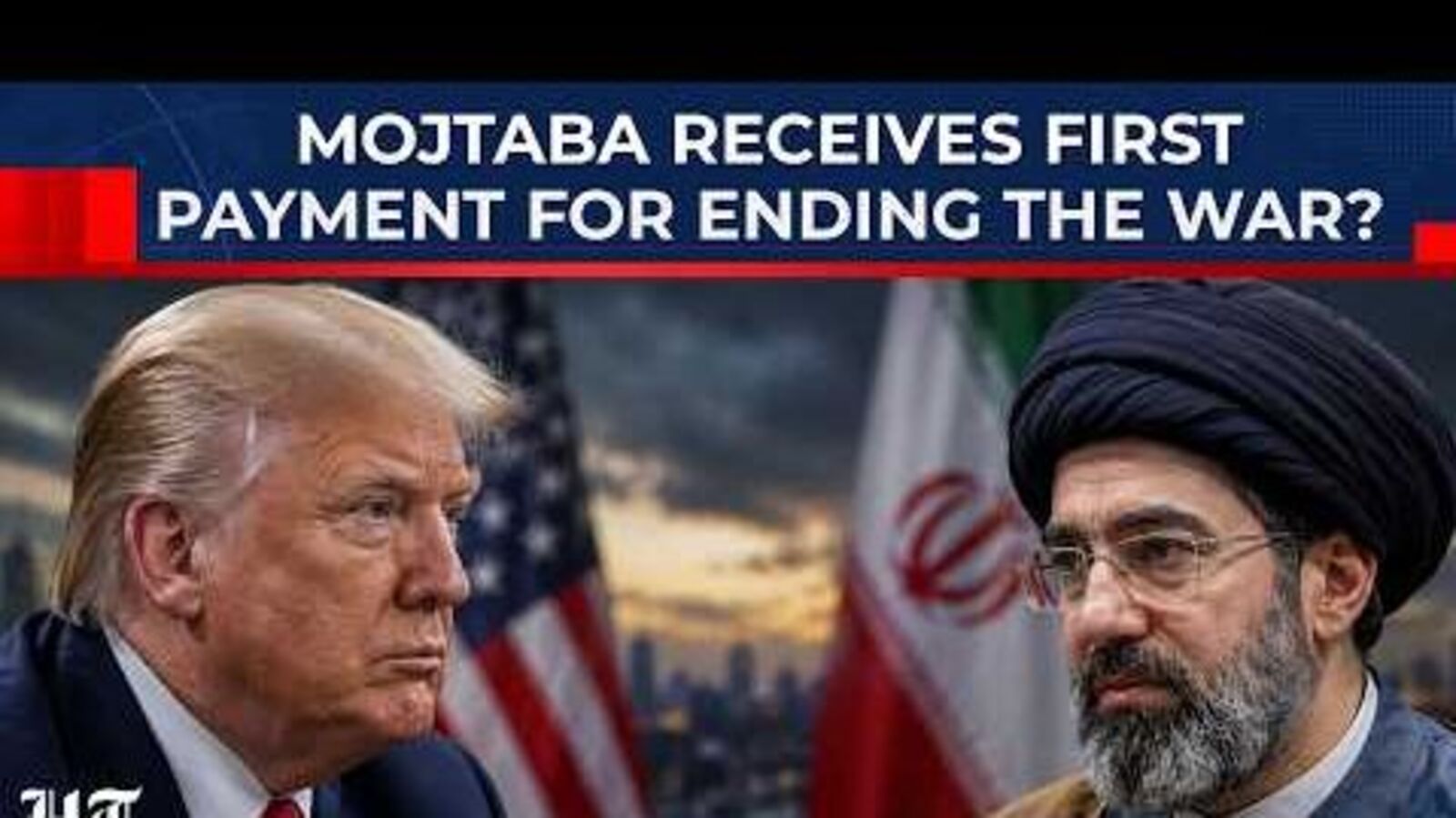
Theindiapostdaily.com – The US-Iran peace deal hinges on resolving the contentious issue of frozen assets, a critical factor in the ongoing negotiations between the two nations. The tentative agreement, announced on Monday, aims to extend a temporary ceasefire and reestablish maritime traffic through the Strait of Hormuz. However, the deal’s success remains uncertain as disputes over the allocation of Iranian assets persist. While specific terms are still under discussion, the agreement is expected to be finalized in Geneva this week, with Pakistan acting as a key mediator in the process.
Financial Disputes and Asset Releases
A pivotal point of contention is the amount of frozen assets the United States plans to unfreeze for Iran. Reports indicate that $12 billion in Iranian assets could be released before negotiations begin, while an additional $24 billion may follow after the deal is signed. These figures are central to the peace deal hinges on, as they directly influence Iran’s ability to stabilize its economy and fund critical programs. The release of these funds is tied to the agreement’s implementation, which depends on a formal memorandum of understanding being ratified.
“The timing and extent of asset unfreezing will determine the credibility of this agreement,”
noted a senior Iranian official during a press briefing. This statement underscores how the peace deal hinges on financial commitments, as the U.S. seeks to balance its strategic interests with Iran’s economic needs. The phased release of funds is also intended to ensure compliance with the terms of the deal, including Iran’s agreement to reduce its nuclear activities and allow inspections.
Historical Context and Sanctions
Historically, the U.S. has frozen billions in Iranian assets under sanctions imposed for its nuclear program and regional activities. The 2015 Iran nuclear deal, which Iran’s Mehr news agency referenced, was a significant step toward easing these restrictions. However, under Trump’s administration, the U.S. withdrew from that agreement, reimposing sanctions and escalating tensions. The current negotiations represent a renewed effort to rebuild trust, with the peace deal hinges on reconciling past grievances and securing Iran’s cooperation.
The U.S. has signaled its willingness to lift sanctions gradually, contingent on Iran’s adherence to the deal’s conditions. This approach is designed to address concerns about Iran’s nuclear capabilities while providing economic relief. The European allies—Britain, Germany, and France—have also voiced support for the deal, emphasizing the importance of verifiable steps to curb Iran’s nuclear ambitions. China, another regional power, has endorsed the negotiations, highlighting their potential to stabilize the Middle East.
Analysts argue that the peace deal hinges on not only the financial terms but also the political will of both nations to compromise. The agreement’s success could reshape the regional balance of power, reducing the risk of military conflict and easing economic pressures on Iran. However, challenges remain, including the continued presence of Israeli military operations in Lebanon, which could complicate the deal’s implementation.
Implications for Global Energy Markets
The Strait of Hormuz, a vital maritime route for global oil and gas transport, has been a focal point of the dispute. Shipping restrictions have already disrupted energy supply chains, raising fears of a broader crisis. By reinstating traffic through this strategic waterway, the peace deal aims to alleviate pressure on international markets. The phased release of Iranian assets is expected to provide the country with the necessary liquidity to meet its energy and trade obligations, further supporting the deal’s viability.
While the peace deal hinges on financial commitments, it also seeks to address broader geopolitical issues. The U.S. and Iran are working to resolve tensions that have simmered for years, including Iran’s support for proxy groups in the region. A successful agreement could lead to reduced military posturing and greater diplomatic engagement. However, the exact terms of the deal—particularly the timeline for asset unfreezing and the scope of sanctions relief—will be crucial in determining its long-term impact on both nations and the global community.
As the negotiations progress, the focus remains on ensuring the peace deal hinges on a mutually beneficial framework. With international actors like Pakistan and European allies playing key roles, the hope is that this agreement will pave the way for a more stable and cooperative relationship between the U.S. and Iran. The resolution of the frozen assets debate is not just a financial issue—it’s a symbolic step toward broader reconciliation and a more secure future for the region.