US-Iran peace deal: Here is what Prime Minister Netanyahu, other Israeli leaders said
The US-Iran peace deal has sparked a wave of reactions from Israeli political figures
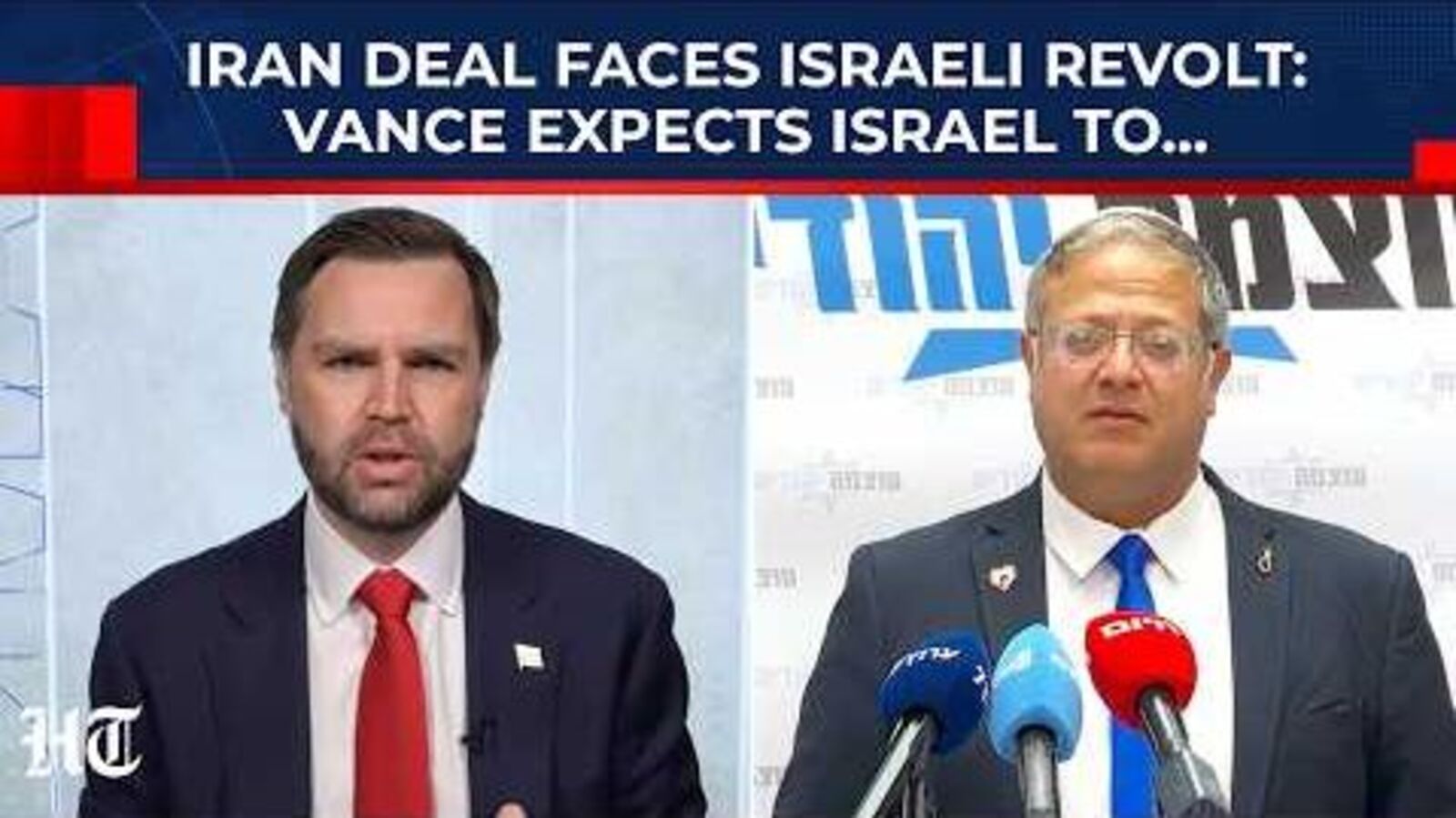
US-Iran Peace Deal: Israeli Leaders React
Theindiapostdaily.com – The US-Iran peace deal has sparked a wave of reactions from Israeli political figures, including Prime Minister Benjamin Netanyahu. In a recent statement, Netanyahu emphasized the strategic importance of the agreement, which he believes has safeguarded Israel’s security against Iran’s nuclear ambitions. He argued that the deal represents a pivotal moment in preventing the Islamic Republic from threatening Israel’s survival, underscoring its role in ensuring the nation’s safety in the face of escalating regional tensions.
Netanyahu’s Stance on the Deal
During a televised address, Netanyahu reiterated his confidence in the US-Israeli collaboration, calling it a “defensive alliance” that has proven effective in countering Iran’s aggression. “This peace deal is not just about diplomacy—it’s about protecting our people from annihilation,” he stated. Netanyahu’s remarks highlighted the critical nature of the operation, which he described as a decisive step in neutralizing Iran’s growing military and nuclear capabilities.
“By taking this action, we have removed a potential existential threat from the world stage. This is a victory for Israel and our allies, and it will shape the future of regional security for years to come,” he added.
Netanyahu’s commitment to the deal also reflects his broader vision for Israel’s defense strategy. He insisted that the agreement has not only strengthened Israel’s military position but also provided a foundation for future negotiations. “Regardless of the diplomatic path we take, Iran’s nuclear program will not advance without us,” he said, framing the deal as a key component of his long-term security goals.
Other Israeli Leaders’ Perspectives
While Netanyahu praised the deal, other Israeli leaders offered mixed opinions. Former Prime Minister Naftali Bennett criticized the current administration for its handling of the conflict, arguing that the peace deal was not the most effective approach. “Netanyahu’s government has failed to deliver a sustainable solution,” Bennett claimed, emphasizing the need for a more aggressive strategy to dismantle Iran’s regime.
“The deal is a temporary fix, but unless we replace the current government, we won’t see real progress in Iran’s downfall,” Bennett remarked, pointing to the importance of political change in achieving lasting security.
Bennett’s comments contrasted with Netanyahu’s optimism, suggesting a divide among Israeli leaders on the best path forward. Despite this, some analysts believe the deal has laid the groundwork for long-term stability, even if it hasn’t resolved all concerns immediately.
Strategic Implications of the Peace Deal
The US-Iran peace deal is expected to have far-reaching effects on the Middle East. By reducing hostilities between the two nations, the agreement may ease pressure on Israel’s neighbors, such as Saudi Arabia and the United Arab Emirates. These countries have already expressed support for the deal, viewing it as a step toward regional peace and a potential shift in the balance of power.
Analysts suggest that the deal could also influence Iran’s domestic policies, forcing the regime to focus on economic recovery rather than military expansion. However, the success of the agreement will depend on its implementation and the continued cooperation between the US and Israel. “This deal is a test of our resolve,” said one political commentator, adding that Israel’s leaders must now work to solidify its gains.
“If the US-Iran peace deal holds, it could redefine the Middle East’s geopolitical landscape. But we must remain vigilant and ready to act if Iran reverts to its aggressive stance,” the analyst warned.
Trump’s Role in the Agreement
US President Donald Trump’s involvement in the peace deal has been a focal point of discussion. His administration played a key role in negotiating the agreement, with Trump citing his strong rapport with Israeli leaders as a major advantage. “I have the best relationship with Israel’s prime minister that we’ve ever had,” Trump stated, emphasizing his commitment to supporting the nation’s security interests.
Trump’s announcement that the Strait of Hormuz would reopen by Friday was seen as a symbolic gesture of the agreement’s success. The strait, a vital maritime route for oil shipments, had been a flashpoint of tension, and its reopening signaled a thaw in US-Iran relations. Israeli leaders have welcomed this development, though some remain cautious about its long-term implications.
“The deal is a clear victory, but we must not underestimate Iran’s ambitions. The reopening of the Strait of Hormuz is just the beginning,” said a senior Israeli official.
Looking Ahead
As the US-Iran peace deal takes effect, Israeli leaders are now turning their attention to the next steps. Netanyahu has pledged to continue his efforts in ensuring Iran’s nuclear program is contained, while Bennett and others advocate for a more proactive approach. The debate over the deal’s effectiveness highlights the complex dynamics within Israeli politics and the challenges of balancing diplomacy with military readiness.
The deal also has the potential to reshape Israel’s relationship with the broader international community. By aligning with the US, Israel may gain greater support for its security initiatives, though some worry that the agreement could be seen as a concession to Iran’s demands. “The US-Iran peace deal is a strategic move, but it must be accompanied by clear conditions to ensure Israel’s interests are protected,” noted another political analyst.