US-Iran news LIVE: Trump slams Netanyahu, says ‘without me, there’d be no Israel,’ as he tries to finalise a peace deal
al Live: Trump's Tensions with Netanyahu and Regional Implications US Iran news LIVE updates reveal mounting pressure on President Donald Trump as he strives
US-Iran Peace Deal Live: Trump’s Tensions with Netanyahu and Regional Implications
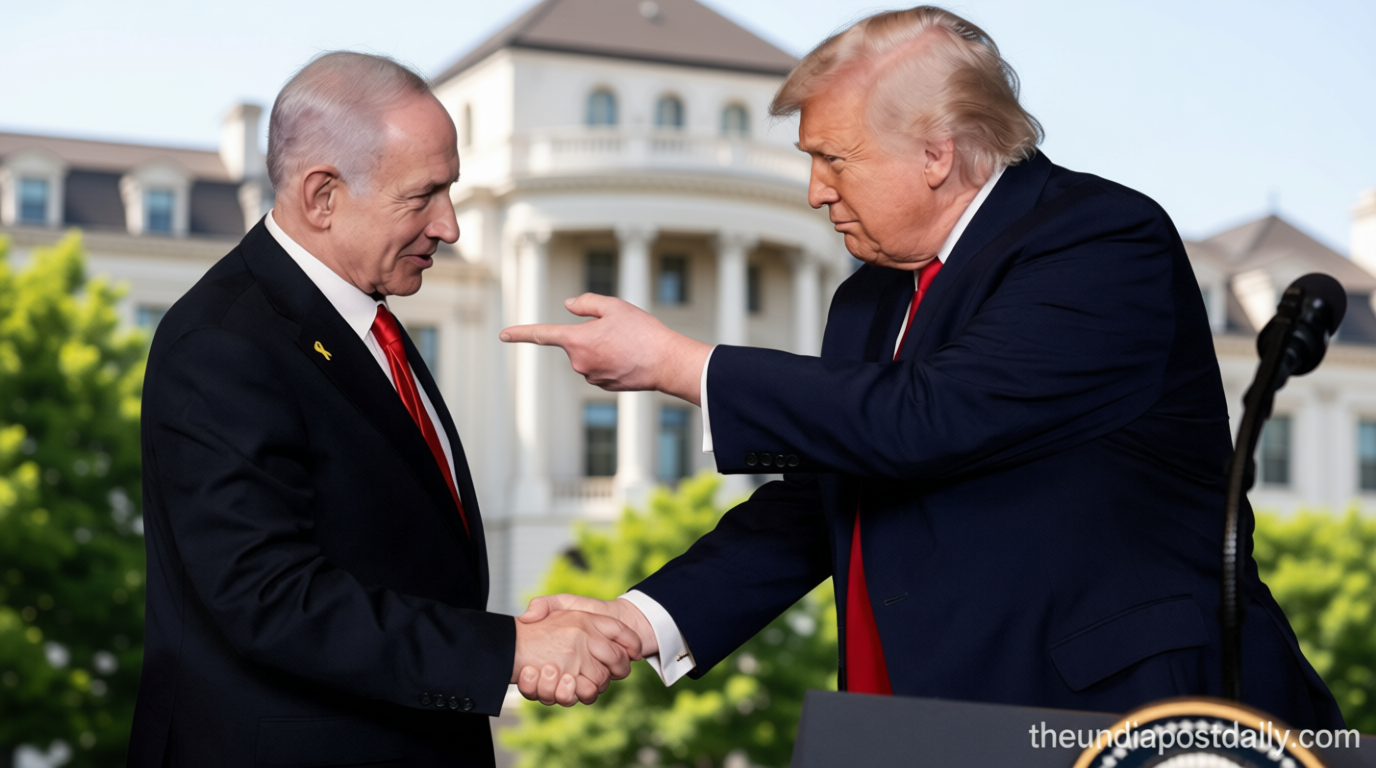
Theindiapostdaily.com – US Iran news LIVE updates reveal mounting pressure on President Donald Trump as he strives to conclude a historic agreement with Iran. The negotiations, which have faced setbacks, have intensified amid Trump’s public criticism of Israeli Prime Minister Benjamin Netanyahu.
“Without me, there’d be no Israel,”
Trump declared, highlighting his belief that his leadership was crucial to Israel’s survival. This remark underscores the growing rift between the U.S. president and his close ally Netanyahu, who has been vocal in opposing the deal.
While Trump focuses on securing a peace agreement, Israel’s involvement in the conflict remains central. The country has been engaged in military operations against Iran-backed groups in Lebanon, including Hezbollah, which has raised concerns about the stability of the ceasefire. Despite the U.S.-Iran talks, Israel continues to assert its strategic interests, with Netanyahu emphasizing that the deal must include commitments to its security. The Israeli leader’s stance has sparked debates about whether the agreement can bridge the gap between Washington and Tehran without compromising regional alliances.
Iran’s Strategic Moves and the Oil Export Agreement
Iran’s recent resumption of oil exports marks a significant step in its diplomatic efforts with the United States. After a two-month pause due to the U.S. naval blockade, the country has begun shipping crude through the Strait of Hormuz, signaling a potential thaw in tensions. This development, verified by TankerTrackers, comes as part of the broader agreement aimed at easing sanctions and restoring economic ties. However, the process has been marked by delays, with Trump initially announcing the strait’s reopening but later adjusting the timeline to align with a formal signing ceremony in Geneva.
The interim deal, though not fully detailed, is expected to address key issues such as Iran’s nuclear program and its regional military activities. U.S. officials have confirmed that the agreement would extend the ceasefire for 60 days, preventing further escalation in the Middle East. This extension is seen as a critical component of the deal, offering a window for dialogue while maintaining pressure on Iran to comply with international obligations. Yet, the agreement’s success hinges on Iran’s willingness to accept terms that could limit its influence in Lebanon and other contested regions.
Global Reactions and Market Shifts
As the US Iran news LIVE developments unfold, global markets have reacted with cautious optimism. The anticipated lifting of the naval blockade and resumption of oil exports have led to a decline in crude prices, with Brent crude hitting a three-month low. Analysts attribute this drop to increased supply expectations and reduced geopolitical uncertainty. However, the price fluctuations remain volatile, reflecting the ongoing concerns about the deal’s durability and the potential for renewed conflicts in the region.
Meanwhile, international observers are closely monitoring the progress of the negotiations, with many highlighting the symbolic importance of the agreement. The U.S.-Iran deal could reshape the balance of power in the Middle East, influencing alliances and rivalries. Countries like Australia have also adjusted their travel advisories, reflecting a broader shift in regional risk assessments. Foreign Minister Penny Wong’s revised warnings suggest that the deal may have eased some of the immediate threats, though risks remain for travelers in conflict zones.
Iran’s Demands and Israel’s Stance
Iran’s top negotiator has reiterated a key demand for the agreement: Israel’s withdrawal from Lebanese territory. This condition, already rejected by Israel, could pose a major obstacle to the deal’s finalization. The insistence on Israeli troop withdrawal highlights Iran’s strategic goals to reduce its regional adversaries’ military presence. However, Israel’s rejection underscores its determination to maintain a foothold in Lebanon, where it has been conducting operations against Hezbollah since February 28.
The Israeli government argues that its military actions in Lebanon are necessary to counter Iranian influence and protect its borders. Netanyahu has criticized Trump’s approach, claiming it undermines Israel’s security guarantees. Despite this, the U.S. remains committed to the deal, viewing it as a way to stabilize the region and reduce the risk of nuclear proliferation. The tension between Trump and Netanyahu adds a layer of complexity to the negotiations, as the U.S. seeks to mediate between its ally and its regional rival.
Key Challenges in Finalizing the Deal
Finalizing the U.S.-Iran peace deal faces several hurdles, including conflicting priorities and geopolitical rivalries. While the agreement aims to address Iran’s nuclear ambitions, it also seeks to resolve tensions over Lebanon and the broader Middle East conflict. The 60-day ceasefire extension is a temporary measure, with long-term implications yet to be determined. Both sides have expressed confidence in the deal’s potential, but lingering doubts about its enforcement and scope could delay its implementation.
International reactions have been mixed, with some countries welcoming the potential for reduced hostilities, while others remain skeptical. The U.S. and Iran have made progress in easing sanctions, but the deal’s success will depend on its ability to incorporate Israel’s security concerns and Lebanon’s political dynamics. As the talks continue, the focus remains on whether the agreement can achieve lasting peace or merely serve as a temporary truce. US Iran news LIVE updates will be critical in tracking these developments and their impact on regional stability.