US–Iran MoU keeps mum on Tehran’s nuclear capability. What are the other fault lines? Explained
The US-Iran MoU keeps mum on Tehran's nuclear capability, leaving critical details about Iran's enrichment
US–Iran MoU Keeps Mum on Nuclear Capacity: Other Fault Lines Unveiled
Theindiapostdaily.com – The US-Iran MoU keeps mum on Tehran’s nuclear capability, leaving critical details about Iran’s enrichment activities and uranium stockpiles unresolved. This agreement, signed in Switzerland on June 19, aims to restore shipping through the Strait of Hormuz and initiate a 60-day negotiation period. While the deal marks a temporary truce, its lack of public text suggests that key issues—such as Iran’s nuclear program—will be addressed in later talks, raising questions about the transparency and long-term implications of the accord.
President Donald Trump had anticipated a final agreement by his 80th birthday, emphasizing its role in stabilizing the Middle East. However, the absence of a detailed MoU has sparked debate about the deal’s scope. According to Bloomberg, the agreement includes provisions to clear mines from the strait and allow ships to resume passage, but its ambiguity on nuclear matters has drawn criticism. Analysts suggest that this approach may delay decisive actions on Iran’s nuclear ambitions, leaving room for future disputes.
“The agreement with Iran is complete. Let the oil flow!”
Sanctions relief remains a central topic in the US-Iran MoU, though the specifics are not yet clear. The US has pledged to suspend new sanctions during talks, with the possibility of temporarily lifting oil-related restrictions. A senior Iranian official, citing Reuters, noted that full sanctions removal would depend on a mutual timeline. Meanwhile, the US plans to release $25 billion in frozen Iranian assets, potentially through regional financial coordination or credit mechanisms, to bolster economic stability.
Strait of Hormuz Governance
The MoU’s focus on the Strait of Hormuz highlights a major point of contention: control over the waterway. Iran seeks a sovereignty-based arrangement with Oman, which would allow it to impose service fees and maintain oversight. In contrast, the US advocates for unrestricted access, aiming to ensure the free flow of oil without Iranian involvement. Disagreements also persist over military vessel rules, enforcement mechanisms, and the timeline for implementation, indicating unresolved tensions between the two nations.
Lebanon Ceasefire and Proxy Dynamics
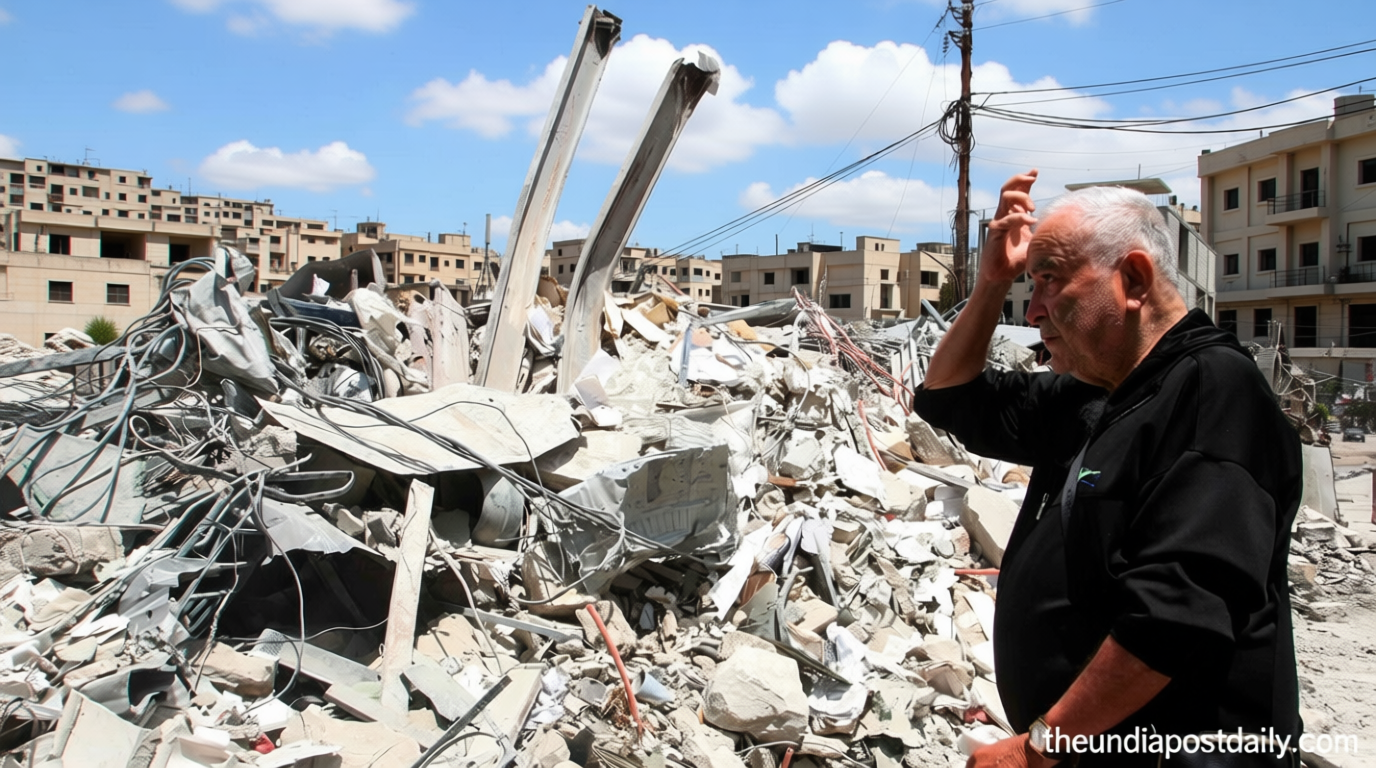
While the US-Iran MoU addresses the Strait of Hormuz, other regional fault lines remain. A separate agreement to end hostilities in Lebanon has been announced, but its effectiveness is uncertain. Iran seeks to preserve its influence through Hezbollah, while the US and Israel fear the deal might allow the group to rebuild its military strength. Israel’s Finance Minister, Bezalel Smotrich, criticized the framework, calling it “bad for Israel” and highlighting concerns over security guarantees and compliance by armed factions in Lebanon.
“We will be judged in Lebanon. This is our war, our soldiers, and the immediate security of our northern residents.”
Analysts note that the Lebanon ceasefire is part of a broader effort to reduce regional violence. However, the deal’s terms—such as the duration of the pause and the role of proxies—remain fluid. The US-Iran MoU’s silence on these points suggests that the ceasefire may not fully address the underlying security concerns. As the talks progress, the balance between diplomatic cooperation and strategic interests will shape the agreement’s success.
The US-Iran MoU keeps mum on the nuclear program’s future, deferring critical decisions to the next 60 days. Key questions linger about Iran’s stockpile of near-bomb-grade uranium, enrichment limits, and the possibility of a temporary halt. Reports indicate discussions could lead to a 12–15 year pause in nuclear activities, but the exact terms remain unclear. Iran’s ability to reprocess uranium or expand its facilities under international scrutiny remains a potential flashpoint, underscoring the need for robust verification mechanisms.
As the US-Iran MoU keeps mum on nuclear details, the international community watches closely. The agreement’s success will hinge on whether subsequent negotiations resolve lingering issues, including Iran’s enrichment capacity and the role of sanctions in curbing its nuclear ambitions. With the stakes high, the outcome of these talks could redefine the balance of power in the region and influence global energy security for years to come.