US-China AI hotline? Why Xi-Trump summit went beyond tariffs to ‘super intelligence’
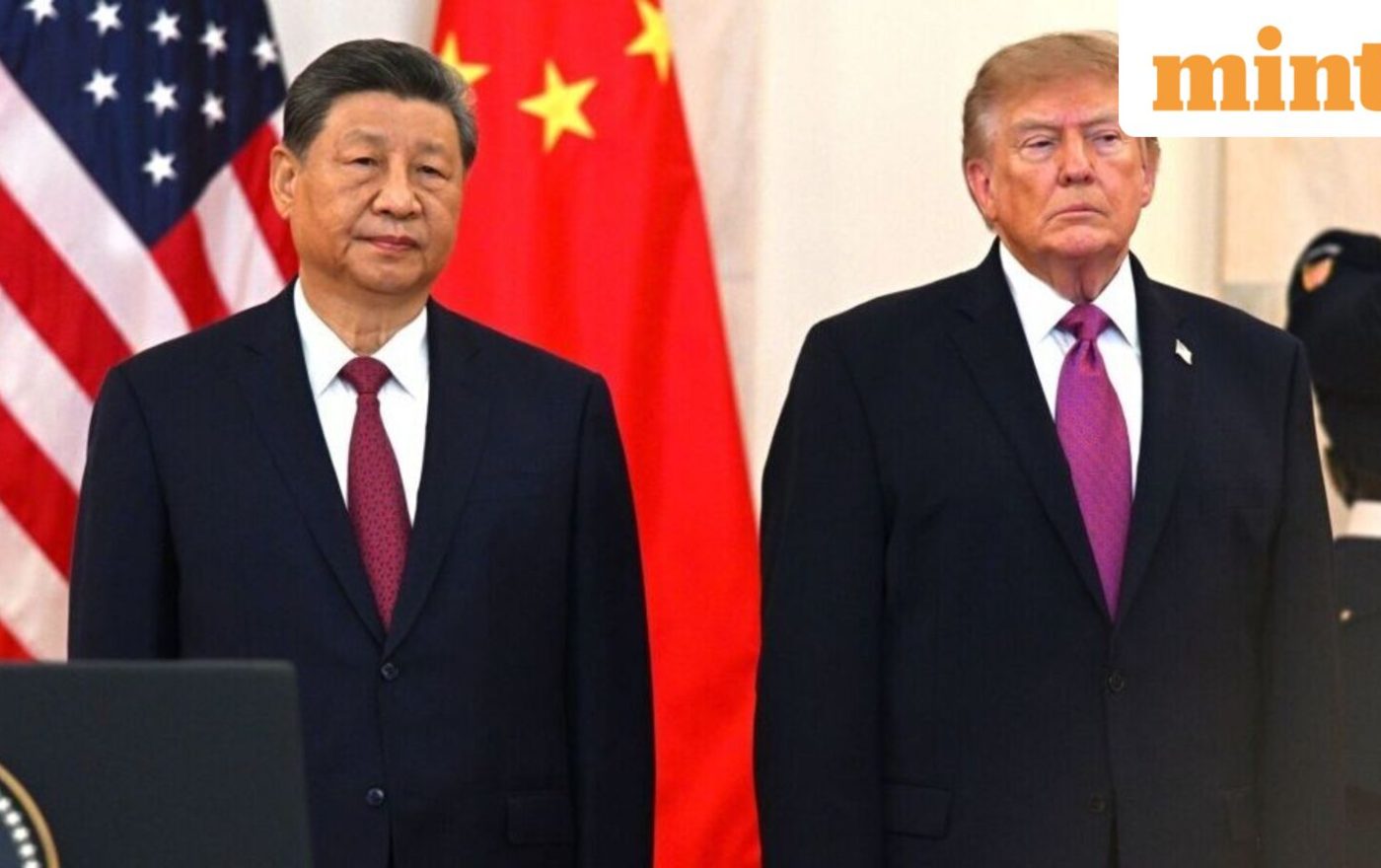
Artificial intelligence emerged as a new area of engagement between the United States and China after President Xi Jinping’s three-day visit to Washington
US and China Open AI Dialogue as Summit Broadens Beyond Tariffs
Theindiapostdaily.com – Artificial intelligence emerged as a new area of engagement between the United States and China after President Xi Jinping’s three-day visit to Washington, even as trade remained the central focus of talks between the world’s two largest economies.
Beijing said on Saturday that the two countries had agreed to begin discussions on the opportunities and risks created by AI. A further round of talks is planned for November, while officials will also create a communications channel for incidents involving the technology.
The arrangement was included in an eight-point consensus reached during Xi’s visit, which concluded on Friday. That wider package also included a reciprocal tariff-reduction deal worth $30 billion, plans for a trade council and an extension of outcomes from earlier negotiations held in Kuala Lumpur.
A direct line for AI-related incidents
The proposed communications mechanism could give Washington and Beijing a more direct way to contact one another when significant AI-related events occur. Its practical importance may lie less in immediate policy alignment than in establishing a route for discussion at a time when the technology is developing rapidly and attracting growing attention from governments.
Both countries are major forces in AI development, and the new dialogue places the issue alongside the more familiar areas of trade, tariffs and diplomatic coordination. The announcement does not set out detailed rules for the channel or identify the types of incidents it would cover. Still, it signals that AI has become important enough to feature in high-level bilateral diplomacy.
China’s Foreign Ministry also addressed the language used after the Xi-Trump talks. President Donald Trump referred to “super intelligence” rather than artificial intelligence in a post on his social media platform.
“Like almost everyone else, (Xi) seemed to like calling the poorly and inaccurately named Artificial Intelligence to a far more accurate and important name, SUPER INTELLIGENCE,” Trump wrote.
Chinese officials did not directly confirm or reject Trump’s description of that part of the conversation. However, the Foreign Ministry said Beijing noted the terminology chosen by the US side.
“Regarding the artificial intelligence phrasing question, the Chinese side attaches importance to the US side’s position and respects the US side’s wording,” the ministry said.
An unidentified ministry spokesperson added that AI technologies continue to evolve and that countries can increase exchanges, hold detailed discussions and work toward common ground as circumstances change.
Trade truce still dominates the agenda
Despite the AI agreement, the broader relationship remains heavily shaped by trade. The United States and China had already agreed to prolong their trade truce for two months beyond its November 10 expiration date. US Treasury Secretary Scott Bessent said the extension would give negotiators more time to pursue a potentially wider agreement.
The $30 billion reciprocal tariff-reduction arrangement reached during Xi’s Washington trip placed tariffs at the heart of the summit’s concrete outcomes. Creating a trade council could also provide a more regular setting for engagement on economic disputes and policy concerns.
For now, the AI initiative appears to complement rather than replace the trade-centered effort to steady relations. Economic friction has been a persistent source of tension, while advances in AI have added another strategically significant subject to the bilateral agenda.
Personal diplomacy and a push for stability
The summit highlighted direct engagement between Xi and Trump more than sweeping public announcements. Its outcomes pointed to an effort to prevent further deterioration in ties while preserving room for negotiation on difficult issues.
Chinese Foreign Minister Wang Yi described the visit as a consequential moment for the relationship.
“This historic visit enriched the constructive and stable China-US relationship, upheld the overall stability of bilateral ties, opened a new chapter in China-US relations, and will have a far-reaching impact on world peace and development,” Wang said in a statement.
Xi returned to Beijing after the trip, the Chinese state news agency Xinhua said on Saturday. The two governments also agreed to back each other as hosts of upcoming Asia-Pacific Economic Cooperation leaders’ meetings and Group of 20 summits. Both presidents intend to attend the gatherings hosted by the other.
That commitment gives the two sides additional opportunities for contact beyond the Washington summit. It also reflects an effort to maintain dialogue through major international forums, even as negotiations continue over trade and other areas of disagreement.
Why the AI discussion deserves attention
AI policy is increasingly tied to questions of economic competitiveness, technological development and international cooperation. A dedicated US-China dialogue does not mean the countries have resolved their differences or agreed on a common framework. It does, however, create an opening for officials to exchange views on risks and benefits as the technology advances.
The planned incident channel may be particularly notable because it recognizes the potential value of rapid communication when concerns arise. Its effectiveness will depend on how it is structured, who participates and whether both governments use it consistently. Those details have not yet been made public.
November’s next round of AI discussions will offer an early indication of whether the initiative develops into a sustained process. Until then, the summit’s message is clear: tariff negotiations remain the larger immediate issue, but artificial intelligence has moved onto the highest level of the US-China relationship.
Related Reading
Frequently Asked Questions
What is US China AI hotline Why Xi Trump?
US China AI hotline Why Xi Trump is the main topic of this guide. The article explains the context, practical details, and next steps readers should understand.
Why does US China AI hotline Why Xi Trump matter?
US China AI hotline Why Xi Trump matters because readers are looking for a useful answer, not just a short summary. Good content should match search intent and help them decide what to do next.