Ukrainian President Zelenskyy says Putin and ruling party face growing public dissatisfaction ahead of elections
Ukrainian President Zelenskyy Says Putin and Ruling Party Face Growing Public Dissatisfaction Ahead of Elections Ukrainian President Zelenskyy says Putin and
Ukrainian President Zelenskyy Says Putin and Ruling Party Face Growing Public Dissatisfaction Ahead of Elections
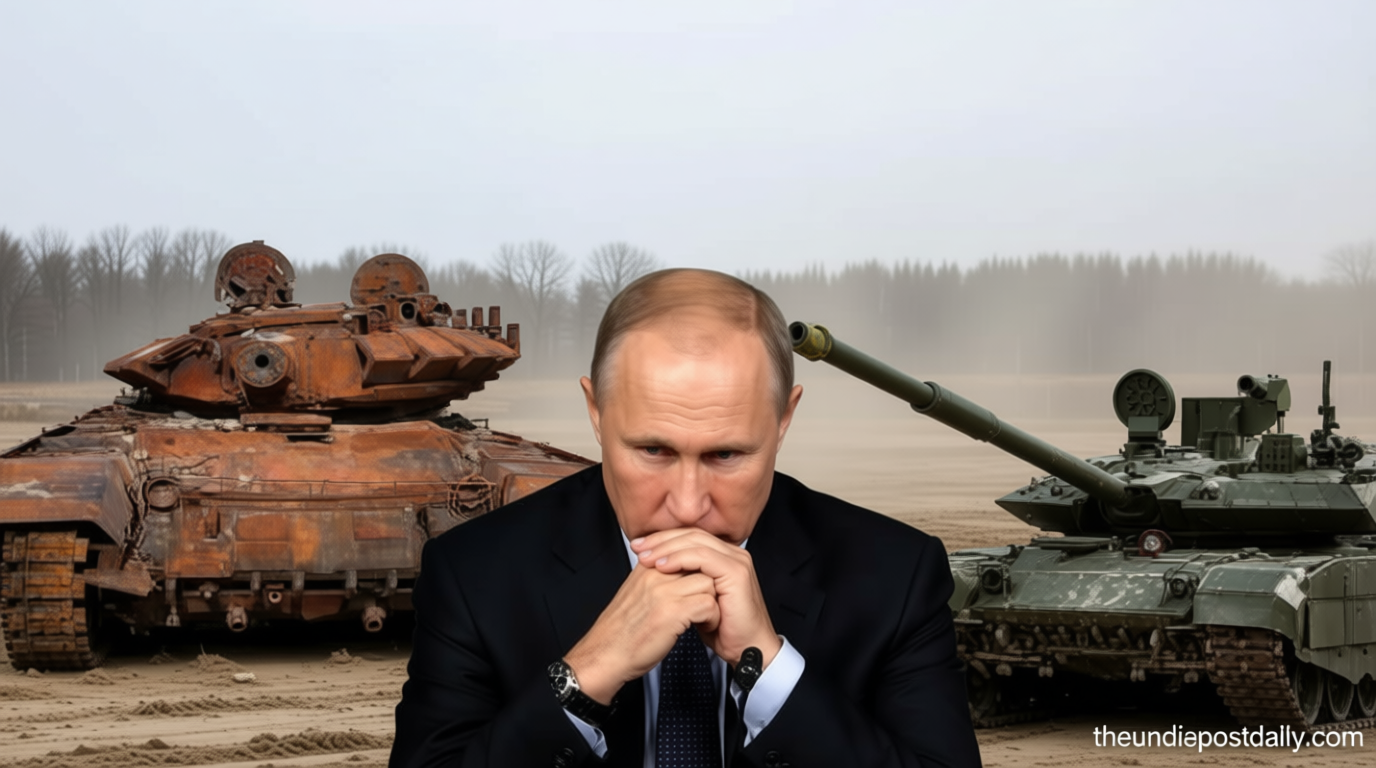
Theindiapostdaily.com – Ukrainian President Volodymyr Zelenskyy recently emphasized that Russian President Vladimir Putin and his governing party are encountering heightened public frustration, particularly as the September parliamentary elections draw near. In a detailed social media post, Zelenskyy highlighted how the information being shared with Putin reflects a shifting national mood, with citizens increasingly critical of the war’s impact on their daily lives. This sentiment, he argued, could influence the election results and signal a potential decline in Putin’s political dominance.
Escalating Sentiment Toward Putin
According to Zelenskyy, the recent surge in discontent is not just a fleeting reaction but a persistent trend. The president pointed out that surveys and anecdotal reports from within Russia indicate a growing unease among the population, which is beginning to question the benefits of the ongoing war. With the September elections approaching, he suggested that this dissatisfaction may become more pronounced, challenging Putin’s ability to maintain his current political standing.
“The indicators of dissatisfaction with Putin will continue to rise, and he is already being conditioned to believe this trend cannot be stopped,” Zelenskyy stated in his post.
He further noted that the ruling party, which has been closely tied to Putin’s leadership, is experiencing a decline in public trust. This erosion is evident in the increased frequency of protests and the shifting attitudes of voters who are now more aware of the economic and social costs of the war. Zelenskyy argued that these changes could force a reevaluation of the party’s strategies to secure victory in the upcoming polls.
Economic Strains and Political Challenges
The prolonged conflict has placed significant economic pressure on Russia, and Zelenskyy stressed that this is exacerbating public discontent. He pointed out that rising inflation and the devaluation of the ruble have made essential goods more expensive for everyday Russians. Meanwhile, the government’s allocation of resources to military efforts has left domestic sectors underfunded, contributing to the sense of deprivation among citizens.
According to recent reports, the war has led to a tightening of budgetary constraints, with sectors such as healthcare and education receiving fewer allocations. Zelenskyy warned that if the current trajectory continues, these economic strains could force a recalibration of Russia’s political priorities. He argued that the ruling party must address these issues to retain public support, otherwise, their chances of winning the elections may diminish.
International Support and Domestic Realities
Ukrainian President Zelenskyy also credited international allies for bolstering Ukraine’s intelligence capabilities, which have been instrumental in gathering data on Russia’s internal dynamics. He mentioned that these efforts have provided crucial insights into how the public perceives Putin’s leadership and the challenges faced by the ruling party. This information, he suggested, could be a game-changer in shaping the election’s outcome.
With the September elections set to be a pivotal moment, Zelenskyy called for continued global support to sustain Ukraine’s momentum. He stressed that the growing public dissatisfaction in Russia is not just a political concern but a social one, as citizens grapple with the consequences of the war. By highlighting this shift, Zelenskyy aims to position Ukraine as a key player in influencing Russia’s domestic politics and potentially altering the course of the conflict.
Additionally, Zelenskyy mentioned that the cumulative effects of events in June, July, and August are likely to intensify the political climate. He warned that if the ruling party fails to address these concerns, they may face a significant loss in the upcoming elections. This could lead to a realignment of power in Moscow, with new leaders emerging to reflect the changing public mood.