UK defence minister John Healey quits citing Starmer’s plans to fail to keep country safe
UK Defence Minister John Healey Resigns Over Starmer's Defense Strategy Theindiapostdaily.com – UK Defence Minister John Healey has announced his resignation, citing concerns that Prime Minister Keir Starmer’s defense strategy…
UK Defence Minister John Healey Resigns Over Starmer’s Defense Strategy
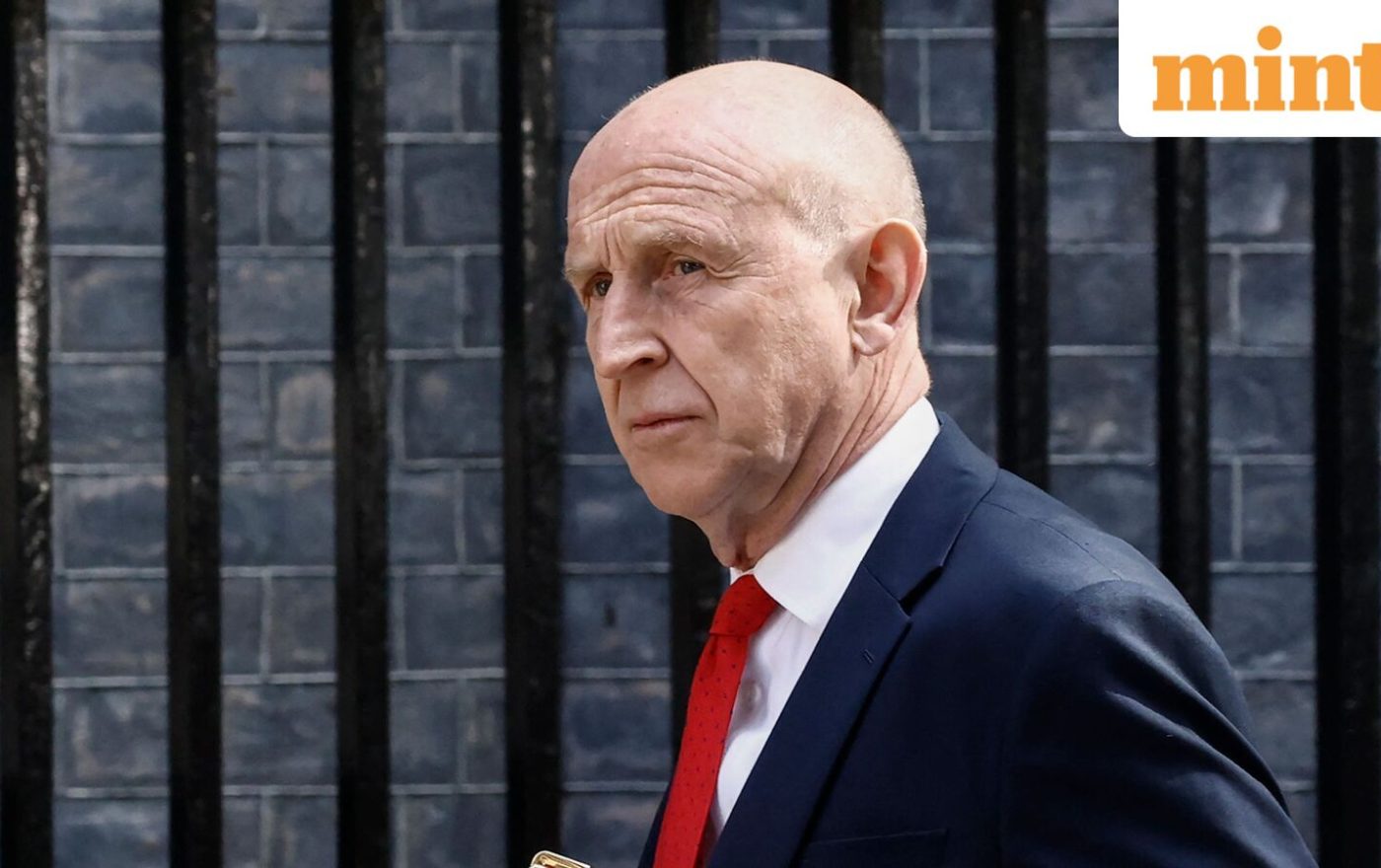
Theindiapostdaily.com – UK Defence Minister John Healey has announced his resignation, citing concerns that Prime Minister Keir Starmer’s defense strategy fails to adequately prepare the nation for emerging security threats. The decision comes as Healey underscores the growing dissatisfaction within the defense sector, which he argues is being hampered by insufficient funding and delayed policy implementations. His departure marks a significant shift in the government’s approach to national security, raising questions about the prioritization of military resources in the face of escalating global tensions.
Healey’s Criticism of the Defence Investment Plan Delay
Healey’s resignation is closely tied to the postponement of the Defence Investment Plan, a critical document outlining the UK’s military spending priorities. Originally slated for release in 2023, the plan’s delay has sparked frustration among defense officials and experts. Healey’s letter to Starmer highlights the Treasury’s reluctance to allocate sufficient funds, leaving the armed forces vulnerable to potential crises. “The financial settlement provided lacks the necessary resources to ensure our forces are prepared for the rising threats,” he stated, emphasizing the need for immediate action to secure the country’s safety.
The delay in finalizing the plan has not only affected internal coordination but also exposed gaps in the UK’s readiness to respond to urgent security challenges. With the Defence Investment Plan still pending, defense analysts warn that the nation may struggle to maintain operational capabilities against both traditional and non-traditional threats. Healey’s resignation serves as a clear signal of the growing pressure on Starmer to address these concerns before the NATO summit, which is set to begin on July 7.
Broader Implications for Starmer’s Leadership
Healey’s departure adds to the political challenges facing Starmer, who is already under scrutiny for his handling of domestic and international issues. The resignation of Health Minister Wes Streeting in May had intensified debates about the prime minister’s ability to manage key ministries effectively. Now, with Healey’s exit, the defense sector’s criticism is gaining momentum, suggesting that Starmer may need to reassess his leadership approach. The situation reflects a broader struggle to balance fiscal responsibility with the urgent need for national security investment, especially as public debt continues to climb.
Healey’s comments also highlight the tension between the Treasury and the defense ministry, which has been a recurring theme in recent months. Despite Starmer’s pledge to finalize the Defence Investment Plan ahead of the NATO summit, Healey contends that the proposed budget falls short of requirements. This has raised alarms about the UK’s capacity to defend itself, particularly as regional conflicts and global alliances shift. The defense sector’s frustration is compounded by the lack of clarity on how military priorities will be addressed in the coming fiscal year.
Analysts suggest that Healey’s resignation could influence the upcoming leadership contest within the Labour Party, where figures like Andy Burnham are emerging as strong contenders. His critique of Starmer’s defense strategy may be used to argue for a more proactive approach to military funding. Meanwhile, the UK’s defense capabilities are under further strain as the U.S. reduces its European security commitments and the Iran-Israel conflict heightens the need for a robust naval presence. The delay in the Defence Investment Plan has left the armed forces in a precarious position, with Healey’s exit serving as a catalyst for renewed debate on the issue.
With the UK facing a complex geopolitical landscape, the timing of Healey’s resignation is particularly significant. His departure underscores the urgency of addressing defense funding concerns, especially as the nation prepares for potential threats from multiple fronts. The Defence Investment Plan, once a cornerstone of the government’s security strategy, now appears to be at the center of a political storm. As the debate over Starmer’s leadership intensifies, the question remains: can the UK’s defense priorities be secured without compromising its economic stability?