Trump threatens taking over Kharg Island, warns of Venezuela-like ‘total control’ over Iran’s oil and gas markets
Trump Threatens Kharg Island Takeover, Echoes Venezuela Strategy Trump Threatens Kharg Island Takeover, Echoes
Theindiapostdaily.com –
Trump Threatens Kharg Island Takeover, Echoes Venezuela Strategy
US President Donald Trump has intensified his rhetoric against Iran, declaring a potential military campaign to seize control of Kharg Island and assert total dominance over the nation’s oil and gas markets. This bold strategy, reminiscent of the United States’ intervention in Venezuela, underscores Trump’s determination to reshape Iran’s energy sector through force, according to recent reports from Livemint. The move signals a new phase in the ongoing geopolitical standoff, with the US aiming to cripple Iran’s economic leverage by targeting its critical energy infrastructure.
Strategic Parallels to Venezuela
Trump’s recent statements draw direct comparisons to the Venezuela crisis, where US-backed efforts led to the ousting of former leader Nicolás Maduro and subsequent control of the country’s oil sector. “The United States will be hitting Iran VERY HARD TONIGHT,” Trump declared on Truth Social, emphasizing that “at some point, we will take Kharg Island and other key energy sites, achieving total control of their oil and gas markets—just like we did in Venezuela, which is working brilliantly for both nations.” This analogy highlights Trump’s belief in using military pressure to secure strategic assets, mirroring the approach taken in Venezuela to weaken its oil industry and shift control to US allies.
“Kharg Island is the lifeblood of Iran’s oil exports, and seizing it would dismantle the country’s ability to sustain its economy through energy revenues. This is the same logic that allowed us to gain control of Venezuela’s oil sector, which has been a model of success for our international strategy,” Trump stated, framing the move as a calculated step toward economic domination.
Kharg Island: The Economic Lifeline of Iran
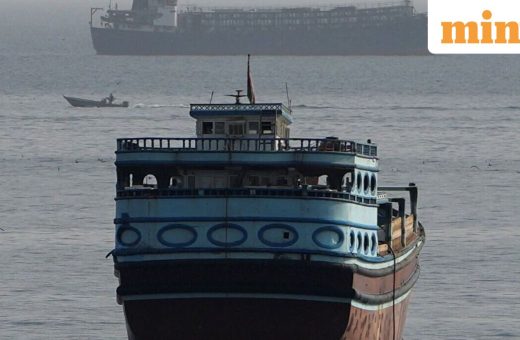
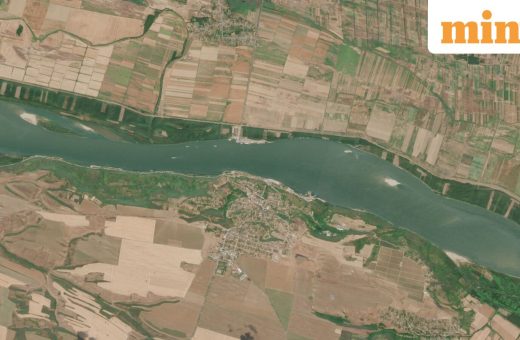
Kharg Island, located in the northern Persian Gulf near the Strait of Hormuz, is a linchpin of Iran’s energy infrastructure. It serves as the primary hub for oil exports, handling approximately 95% of the nation’s crude oil shipments. By threatening to take over this critical site, Trump is targeting Iran’s ability to generate revenue from its oil and gas markets, which are vital for funding its military operations and maintaining economic stability. The island’s strategic location also makes it a potential chokepoint for global oil supply chains, further amplifying its significance in the broader conflict.
The US has previously highlighted Kharg Island’s importance, with officials noting that its capture would allow for the redirection of Iran’s oil exports to US-friendly markets. This could weaken Iran’s position in negotiations and reduce its dependence on international oil prices. Trump’s vow to seize the island reflects a broader strategy to disrupt Iran’s economic resilience, particularly as the nation faces sanctions and domestic unrest. The threat also aims to signal to Iran’s allies that the US is prepared to escalate military action if necessary.
Escalating Tensions and Regional Impacts
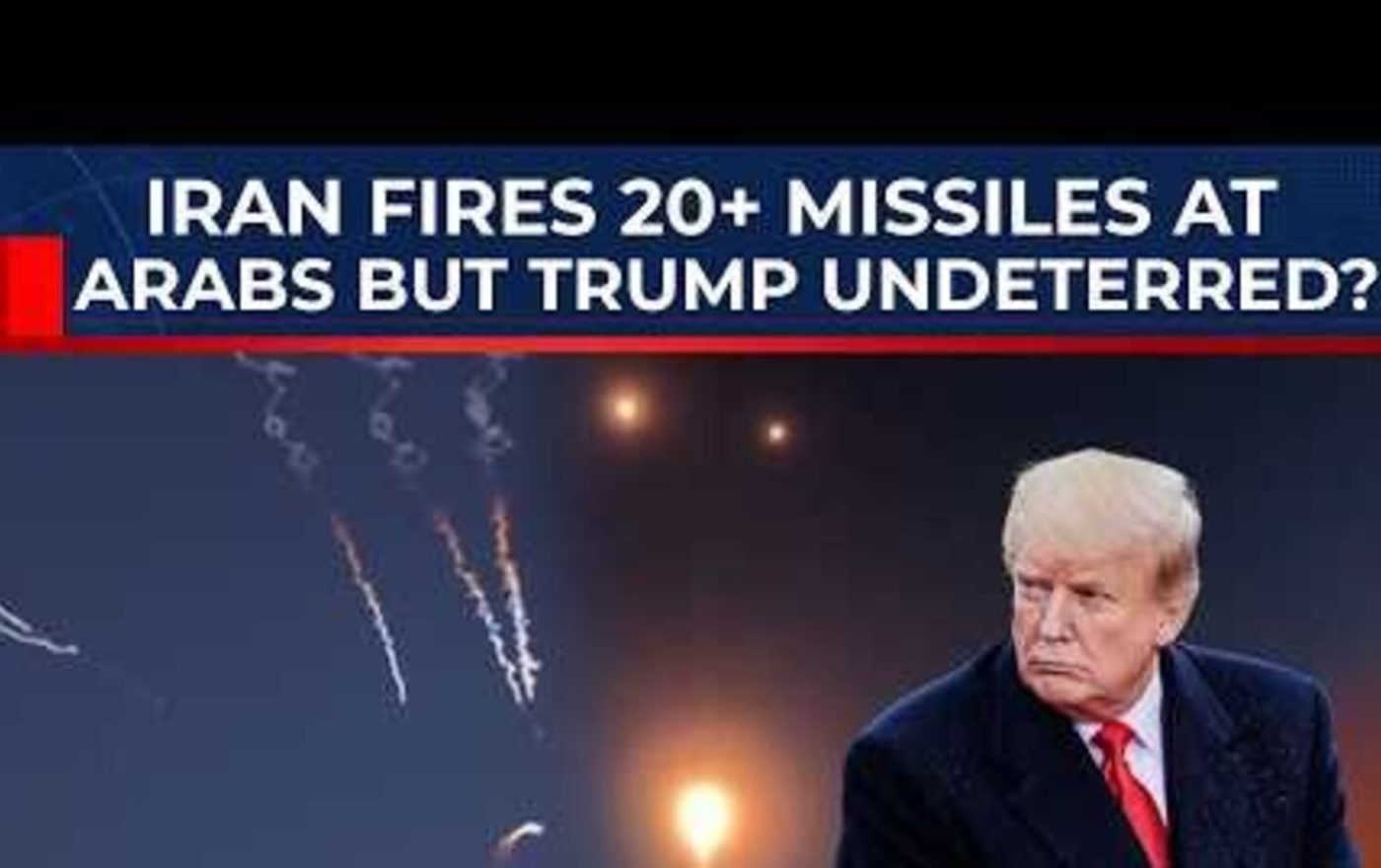
The threat of seizing Kharg Island has reignited fears of a full-scale war between the US and Iran, with implications extending beyond the Gulf region. Iranian officials have condemned the move, calling it a “direct attack on Iran’s sovereignty” and warning of retaliatory measures. The country’s Revolutionary Guards have already vowed to strike back, with reports indicating that missile launches and projectiles targeted US military installations in Jordan and other Gulf states. Such actions could destabilize the fragile ceasefire and lead to a broader regional conflict.
Gulf nations, including Saudi Arabia and the United Arab Emirates, have expressed concern over the escalating tensions. While these countries remain neutral in the immediate conflict, they are closely monitoring the situation to assess potential economic repercussions. The disruption of Iran’s oil exports could lead to higher global oil prices, impacting energy markets worldwide. Additionally, the psychological impact of the US’s threat is significant, as it reinforces the idea of the US as a dominant player in global energy politics.
International Reactions and Diplomatic Efforts
Despite the heightened military posturing, diplomatic efforts continue to seek a resolution. Qatar and Pakistan, key intermediaries in the US-Iran negotiations, have noted ongoing backchannel discussions aimed at de-escalating the situation. However, Pakistan has cautioned that the current level of aggression may delay progress, with officials emphasizing the need for a calm approach to restore confidence in peace talks. Meanwhile, the Qatari delegation is reportedly working to mediate between the US and Iran, even as the threat of Kharg Island takeover casts a shadow over these efforts.
Analysts warn that Trump’s strategy could have far-reaching consequences, not only for Iran’s economy but also for the stability of the Middle East. The potential for a prolonged conflict may force neighboring countries to align with either the US or Iran, deepening regional divisions. Furthermore, the focus on Kharg Island suggests that the US is prioritizing economic control over political diplomacy, a shift that could redefine the terms of the ongoing rivalry. As the situation develops, the international community will be watching closely for signs of escalation or compromise.
Legacy of the US-Iran Conflict
The US-Iran conflict, which began on February 28, has seen a series of military and economic maneuvers aimed at weakening Iran’s position. Trump’s emphasis on seizing Kharg Island is part of this long-term strategy, which includes sanctions, naval blockades, and targeted strikes on key infrastructure. The administration has argued that these measures are necessary to counter Iran’s influence in the region and to ensure the free flow of oil through strategic chokepoints like the Strait of Hormuz.
Historically, the US has used similar tactics in the region, with the invasion of Iraq in 2003 and the drone strikes in Syria serving as precedents. Trump’s approach to Kharg Island is a continuation of this pattern, framing the island as a symbol of Iran’s economic power and a target for US dominance. By leveraging the lessons from Venezuela, the administration aims to project strength and assert its ability to control the energy markets, even as tensions rise with Iran.
As the threat of military action looms, the world is on edge, awaiting the next move in this high-stakes game of economic and military power. Trump’s insistence on total