Trump lashes out at Israeli PM Netanyahu over Beirut strike, says US-Iran peace deal in ‘a few hours’
Trump Condemns Netanyahu Over Beirut Strike, Hails US-Iran Peace Deal Theindiapostdaily.com – US President Donald Trump on Sunday expressed strong criticism toward Israeli Prime Minister Benjamin Netanyahu, accusing him of…
Trump Condemns Netanyahu Over Beirut Strike, Hails US-Iran Peace Deal
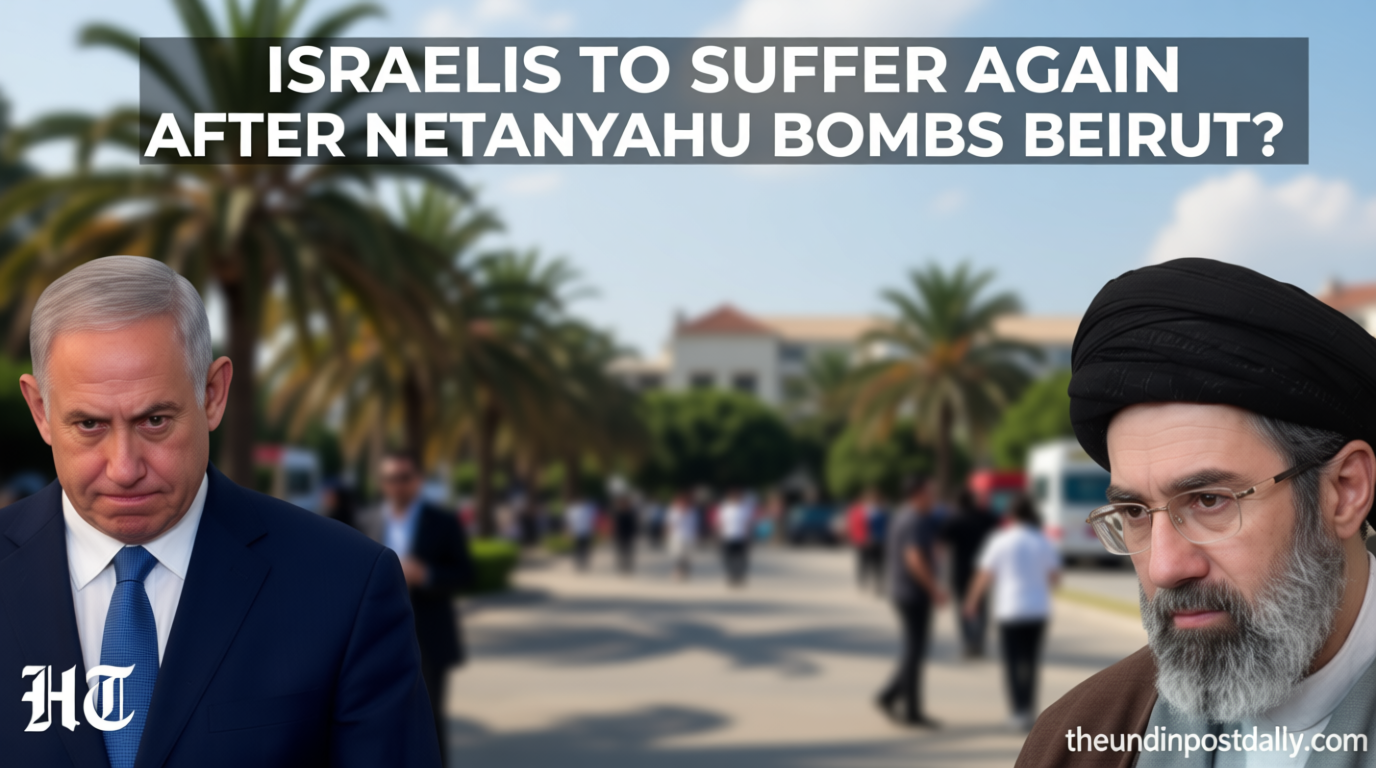
Theindiapostdaily.com – US President Donald Trump on Sunday expressed strong criticism toward Israeli Prime Minister Benjamin Netanyahu, accusing him of causing a delay in the US-Iran peace deal following a controversial strike in Beirut. The attack, which targeted a Hezbollah stronghold, sparked Trump’s outburst, with the leader insisting that the agreement would still be finalized shortly, despite the disruption caused by the incident.
“It is so bad — I couldn’t believe it. An hour before we are supposed to sign the deal,” Trump said during a phone conversation with the news outlet. His comments reflected frustration over the timing of the strike, which he claimed had momentarily stalled progress toward a historic accord.
Trump emphasized that the deal remained on track, stating, “It shook it up. It delayed the signing by a few hours. It was supposed to be now. Now it is scheduled for a few hours from now,” underscoring his belief that the setback was temporary. This statement highlights his determination to push forward with negotiations, even as tensions in the region escalated.
Iran’s Diplomatic Response to the Beirut Attack
Tehran has expressed concerns over the attack, arguing that the Israeli strike undermined efforts to achieve a broader resolution to the ongoing conflict. Iranian Parliament Speaker Mohammad Bagher Ghalibaf criticized the event, suggesting it revealed the US’s lack of commitment to its peace promises. “If you do not have the will or the ability to fulfill your commitments, then there is no point in talking about continuing down this path,” he tweeted, reflecting the Iranian government’s growing skepticism.
President Masoud Pezeshkian reiterated support for the peace talks, stating that Iran’s Supreme National Security Council remains dedicated to dialogue. However, he acknowledged internal opposition, with some factions arguing that the strike justified continued military action against Hezbollah. This tension underscores the complex dynamics within Iran’s political landscape as it navigates the peace process.
Israeli Preparedness and Trump’s Confidence
Israel’s military declared readiness for potential retaliation, emphasizing that the IDF strike in Beirut was a strategic move to weaken Hezbollah. “Following the IDF strike in Beirut, the IDF is preparing for potential fire toward the territory of the State of Israel in the coming hours,” the statement said, without specifying the origin of the expected response. This readiness reflects the Israeli government’s resolve to maintain its position in the conflict.
Defense Secretary Pete Hegseth echoed Trump’s optimism, declaring, “I do not expect the attack to disrupt negotiations. From all I know, we are on track. It is not a matter of if. It is a matter of when.” Hegseth’s remarks align with Trump’s stance, suggesting that the US is determined to finalize the deal despite the recent setback.
Impact on Regional Tensions and Ceasefire Stability
The Beirut strike reignited fears about the stability of the current ceasefire, which had been established in April to reduce hostilities between Israel and Iran-backed groups. Earlier Israeli strikes on Beirut had previously breached the truce, prompting retaliatory missile attacks and renewed skirmishes. The latest incident has raised questions about the effectiveness of the ceasefire and the likelihood of renewed conflict.
Analysts warn that the attack could serve as a catalyst for further escalation, particularly if negotiations stall. However, Trump’s insistence that the peace deal is “very close” suggests the administration remains focused on diplomatic solutions. The timing of the strike, coinciding with Trump’s 80th birthday, added symbolic weight to his criticism of Netanyahu’s actions.
Broader Implications for the Middle East
The conflict between Israel and Iran has far-reaching implications for the Middle East, with regional allies and adversaries watching closely. The US-Iran peace deal, if finalized, could mark a significant shift in the balance of power, potentially reducing the influence of Iran in Lebanon and other areas. However, the strike in Beirut has sparked debates about whether the deal will truly bring lasting peace or merely delay further hostilities.
International observers have noted the importance of Lebanon’s role in the negotiations, as the country serves as a critical battleground for Iranian and Israeli interests. With Hezbollah’s stronghold in the southern suburbs under attack, the possibility of a broader conflict looms. Trump’s criticism of Netanyahu highlights the political stakes involved in securing a deal that could reshape the region’s future.