Trump lands in Ankara as NATO unveils new defence projects to win him over ahead of summit
Donald Trump’s arrival in Ankara on Tuesday marked a pivotal
Trump Lands in Ankara as NATO Unveils Strategic Defense Projects
Theindiapostdaily.com – Donald Trump’s arrival in Ankara on Tuesday marked a pivotal moment as NATO announced a series of ambitious defense initiatives designed to reinforce the alliance’s commitment and secure his support ahead of the upcoming summit. The focus keyword, “Trump lands in Ankara as NATO,” underscores the synchronized timing of the U.S. president’s visit with the alliance’s major announcements, highlighting the strategic importance of his presence in Turkey. These projects aim to address longstanding concerns about European allies’ defense spending, a key issue that has shaped Trump’s foreign policy rhetoric over the years.
NATO’s Defense Boost: Key Projects and Collaborations
NATO’s “Big Reveal” of military investments included a major contract for the procurement of advanced surveillance systems, signaling a renewed effort to modernize the alliance’s capabilities. The initiative, led by the alliance’s Secretary-General Mark Rutte, emphasized the need to strengthen NATO’s infrastructure by replacing aging AWACS aircraft with Saab’s GlobalEye systems. This move was part of a broader strategy to enhance the alliance’s operational readiness, with Turkey playing a central role in the 10-nation group spearheading the purchase. The program is expected to deliver significant technological upgrades, positioning NATO as a more formidable force in global security.
“NATO must convert its economic strength into military prowess,” Rutte stated, underscoring the alliance’s focus on these high-profile investments. The projects also leverage a European Union funding mechanism to provide low-cost defense loans, with up to $170 billion in capital raised to support collaborative efforts among member nations.
Another notable development was the joint procurement of air-to-air refueling and transport aircraft from Airbus, which will bolster NATO’s logistical capabilities. This agreement involves 15 countries, including Germany, France, and the United Kingdom, and is expected to streamline operations during high-intensity conflicts. Additionally, a four-nation plan for Triton drones was announced, aiming to integrate advanced unmanned systems into NATO’s defense architecture. These projects not only reflect NATO’s strategic priorities but also align with Trump’s goal of ensuring robust commitments from allies before the summit.
Trump’s Priorities and NATO’s Response
Trump’s visit to Ankara was driven by his desire to reaffirm NATO’s solidarity, particularly in light of his criticisms of European nations for underfunding defense programs. During his address, he reiterated his emphasis on loyalty and tangible military support, stating that he remains skeptical of allies who have not fully committed to shared security goals. The focus keyword, “Trump lands in Ankara as NATO,” reiterates the alignment of his agenda with the alliance’s latest announcements, which were crafted to address his concerns directly.
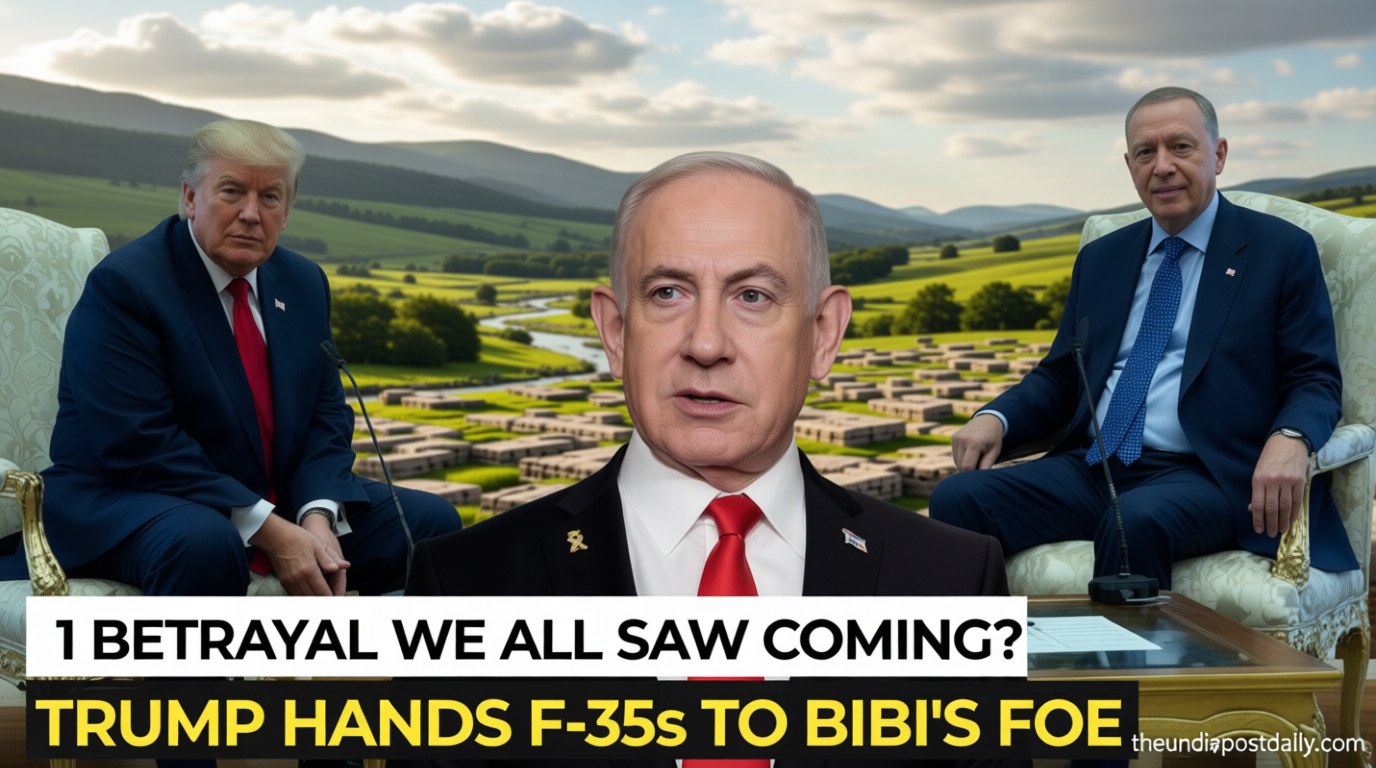
The summit also brought attention to ongoing debates about resuming F-35 jet sales to Turkey, a critical ally in the region. Israeli Prime Minister Benjamin Netanyahu, who has been vocal about the issue, urged Washington to reconsider the deal, citing strategic interests in countering Iranian influence. Meanwhile, discussions about Ukraine’s NATO membership bid, led by President Volodymyr Zelenskyy, underscored the alliance’s expanding reach and the geopolitical stakes involved. These topics, combined with NATO’s defense initiatives, set the stage for a comprehensive review of transatlantic partnerships during Trump’s visit.
“Trump’s administration has always prioritized strong, reliable allies who stand by their commitments,” Rutte noted, highlighting the importance of the summit in solidifying these ties. The European Union’s funding mechanism, which supports low-interest loans for defense projects, is seen as a key tool to ensure member nations meet their financial obligations, especially in light of Trump’s insistence on “fair” contributions from all NATO members.
NATO’s efforts to secure Trump’s backing were also evident in the announcement of the “Trump Trillion” initiative, which showcases $1.2 trillion in defense commitments by European allies and Canada since 2017. This figure, highlighted by Rutte, serves as a benchmark for demonstrating the alliance’s collective resolve. However, Trump expressed reservations about certain aspects of the agreement, particularly the reluctance of some nations to join the Iran conflict. He emphasized that loyalty and military collaboration are more important than numerical targets, a sentiment that resonates with the focus keyword’s central role in framing the summit’s significance.