Trump at NATO: ‘I was testing people,’ US president says he is ‘very disappointed’ by NATO response to Iran war
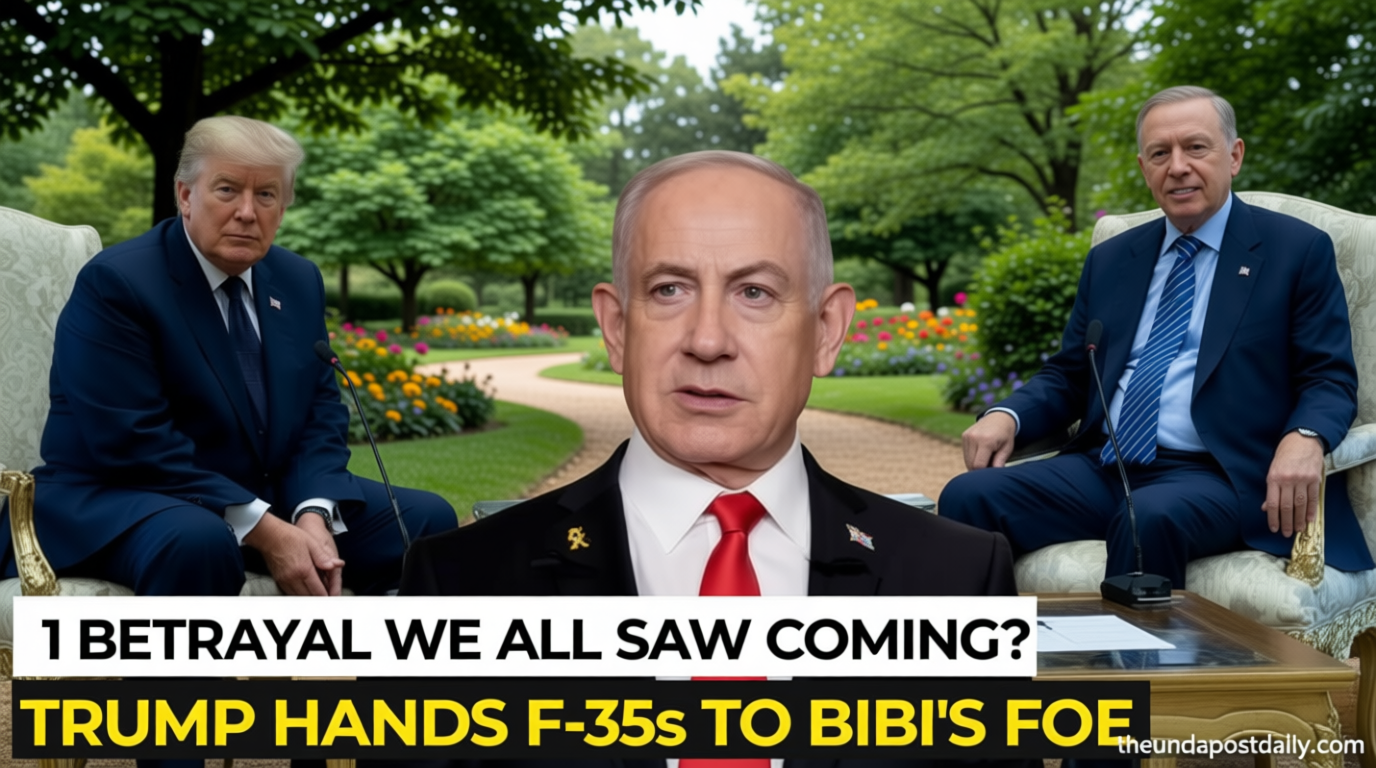
During a pivotal meeting in Ankara with Turkish President Recep Tayyip Erdogan
Trump at NATO: Testing Alliance Resolve Over Iran Conflict
Theindiapostdaily.com – During a pivotal meeting in Ankara with Turkish President Recep Tayyip Erdogan ahead of the NATO summit, U.S. President Donald Trump emphasized his belief that he was testing the commitment of his allies. “I was testing people,” he said, expressing disappointment in NATO’s response to the recent Iran conflict. This statement comes as Trump continues to challenge the reliability of the transatlantic alliance, which he has long criticized for not fulfilling its defense obligations. The summit, held in the wake of escalating tensions between Iran and the U.S., underscored his focus on foreign policy and the strategic importance of NATO in the region.
Assessing NATO’s Strategic Posture
Trump’s remarks at NATO highlighted his ongoing skepticism about European allies’ willingness to support U.S. military actions. “I was very disappointed with NATO,” he reiterated, suggesting that the alliance’s hesitation during the Iran crisis revealed a lack of unified resolve. His comments echoed past criticisms about NATO members prioritizing domestic interests over collective security, a theme that has become central to his administration’s foreign policy narrative. By framing the situation as a test of loyalty, Trump aimed to underscore the U.S.’s role as a leader while questioning the depth of NATO’s solidarity.
Tensions with Key European Leaders
Among the leaders under scrutiny, Italian Prime Minister Giorgia Meloni faced particular criticism from Trump. “She refused to get involved with the Hormuz Strait, or just Iran,” he remarked, pointing to her decision as a sign of reluctance. Trump also contrasted her stance with the U.S.’s energy independence, noting, “We have a lot of oil. The United States has more oil than anybody.” This sentiment reflected his broader argument that NATO members could afford to be more proactive in supporting U.S. initiatives, especially in the context of the Iran conflict. Additionally, he referenced UK Prime Minister Keir Starmer’s resignation as an example of European leaders hesitating in the face of global challenges.
While critiquing NATO’s response, Trump acknowledged Turkey’s diplomatic efforts in deescalating tensions with Iran. “They know Iran very well, and they know the problems with Iran,” he said, highlighting Ankara’s role in the broader geopolitical strategy. Trump framed the Iran crisis not as a full-scale war but as a “military operation” aimed at achieving “denuclearization.” His remarks suggested that Turkey’s neutrality, despite its military capabilities, was a strategic choice that aligned with Washington’s goals. “I don’t think he wants to see them have a nuclear weapon either,” Trump added, expressing confidence in Erdogan’s stance.
International Reactions and Strategic Implications
The Iran conflict has sparked international debate, with NATO leaders grappling to maintain unity. Trump’s comments at the summit, however, amplified the perception of U.S. leadership testing the alliance’s endurance. His approach of framing the crisis as a measure of loyalty has resonated with supporters who view it as a necessary challenge to European complacency. Meanwhile, critics argue that Trump’s focus on testing allies risks fracturing NATO’s cohesion at a critical time. The summit’s discussions on defense responsibilities and alliance unity will be key in determining how the crisis is navigated in the coming months.
As the meeting progressed, Trump’s emphasis on “Trump at NATO” as a platform for strategic reassessment became clear. He positioned the summit as an opportunity to realign the alliance’s priorities, particularly in light of the Iran conflict. “We didn’t need any help at all,” he stated, suggesting that the U.S. could act independently if its allies were not fully committed. This sentiment reflects a broader shift in Trump’s foreign policy, where he seeks to assert American strategic autonomy while leveraging NATO as a tool for political leverage. The implications of his approach could reshape the alliance’s dynamics and influence future international relations.
The Trump administration’s engagement with NATO has been marked by a blend of critique and collaboration, with the Iran conflict serving as a focal point. By highlighting the alliance’s response during the summit, Trump not only tested the resolve of his European counterparts but also reinforced his vision of a more assertive U.S. role in global affairs. As the meeting concludes, the focus on “Trump at NATO” and the lessons drawn from the Iran crisis will likely shape the alliance’s trajectory in the years to come.