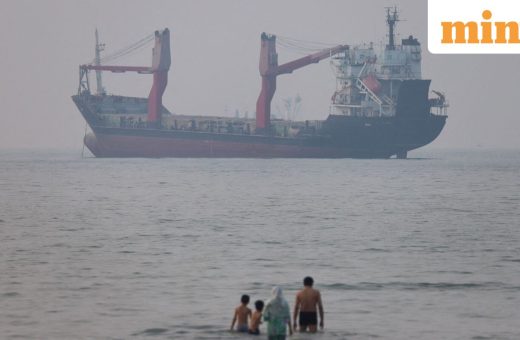
Strait of Hormuz: Iran’s grip slips as ships increasingly use UN-authorised Oman route; US blockade gains ground
Six months after the US-Israeli coalition opened hostilities against Iran on 28 February, the Strait of Hormuz remains the epicentre of global energy anxiety
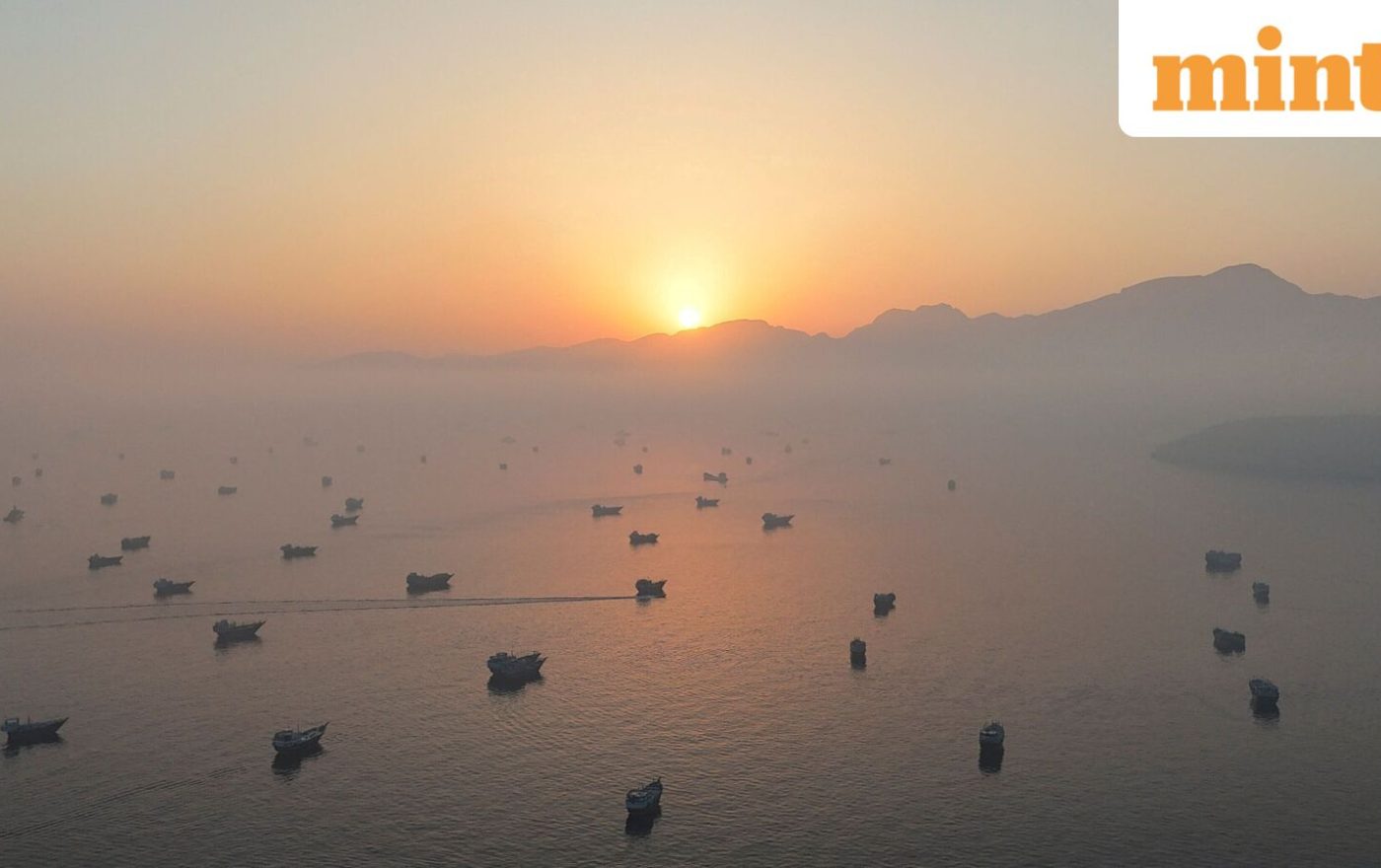
Strait of Hormuz: Iran’s Grip Slips as Ships Reroute
A Maritime Tipping Point
Theindiapostdaily.com – Six months after the US-Israeli coalition opened hostilities against Iran on 28 February, the Strait of Hormuz remains the epicentre of global energy anxiety. Both Washington and Tehran now assert full command over the narrow waterway, yet the rhetoric masks a rapidly shifting reality on the water. According to shipping-data firm Kpler, roughly 80% of transiting vessels have, over the past fortnight, switched to a United Nations-authorised corridor running along Oman’s northern coast — a route that bypasses the chokepoint entirely.
“It increasingly looks like Iran has at least partially lost control of the strait,” said Homayoun Falakshahi, Kpler’s head of crude oil analysis, in remarks to CNN. A month earlier, Kpler recorded virtually no traffic along that Omani lane. The contrast underscores how quickly Tehran’s leverage over the Strait of Hormuz has decayed in a matter of weeks.
The shift carries enormous implications for global oil markets. The strait normally carries around 20 million barrels per day of crude and refined products. Even a partial rerouting of that volume through an alternative corridor reduces Iran’s ability to project naval power over commercial shipping and weakens its bargaining position in any future negotiations.
The Toll Problem and Enforcement Gap
Iran has long attempted to extract transit fees from ships crossing the waterway, but enforcement has grown increasingly difficult as vessel traffic thins. With the temporary ceasefire between Tehran and Washington set to lapse this week, the Iranian government retains the theoretical option to resume toll collection — yet in practice, vessels simply refuse to pay.
“Iran’s request to collect tolls is something that most Middle East folks don’t want to do and haven’t been doing,” Dan Pickering, founder of Pickering Energy Partners, told CNN. “So the Oman route absolutely makes the most sense,” he added. The practical effect is that Iran’s revenue model for the Strait of Hormuz has collapsed before it could be fully operationalised.
How Gulf Neighbours Are Working Around the Threat
Kuwait, Saudi Arabia, and the United Arab Emirates have adopted a two-stage shipping strategy to minimise exposure in the Strait of Hormuz. They load Very Large Crude Carriers — the largest oil tankers afloat — inside the Persian Gulf and push them through the strait. Once clear of the danger zone, cargo is transferred to customer-owned tankers waiting in the Gulf of Oman, according to the president of Lipow Oil Associates, as reported by CNN.
Those receiving tankers switch off their transponders, creating what analysts call “dark traffic.” While hard to track by conventional satellite means, such vessels remain visible to the US naval blockade already in place at the strait, giving Washington a persistent surveillance advantage over any residual Iranian naval activity.
Washington’s Numbers and Trump’s Claim
The US military reports a marked uptick in oil moving through the waterway. Last week, Energy Secretary Chris Wright disclosed that combined transits and rerouted flows reached approximately 15 million barrels per day — narrowing the gap with the pre-war average of 20 million barrels daily. The trajectory suggests the blockade is gaining ground even as the ceasefire window closes.
That growing American dominance prompted President Trump to declare on Truth Social that the waterway is now “NEW U.S. Territory.” Tehran reacted sharply. Deputy Foreign Minister Kazem Gharibabadi labelled Trump a “deluded man” in a post on X:
“Just as Trump correctly wrote the name of the eternal Persian Gulf, soon his delusion regarding the Strait of Hormuz will either be corrected or we will correct the delusions of this deluded man.”
Frequently Asked Questions
What is the UN-authorised Oman route? It is a shipping corridor running along Oman’s northern coast that was designated under United Nations maritime authorisation. Vessels using it bypass the Strait of Hormuz entirely, reducing exposure to Iranian naval forces and toll-collection attempts.
Why are ships abandoning the Strait of Hormuz? The combination of active US naval presence, Iran’s toll-collection demands, and the availability of a sanctioned alternative corridor has made the Omani route the lower-risk option for most commercial operators.
What happens when the ceasefire lapses? Analysts expect renewed tension around the waterway. Iran retains the theoretical ability to resume toll enforcement or impose transit restrictions, but with roughly 80% of traffic already rerouted, its practical leverage is significantly diminished.
How does the US blockade affect shipping? The blockade gives Washington persistent surveillance over the strait and surrounding waters. Even vessels operating as “dark traffic” with transponders switched off remain detectable, limiting Iran’s ability to operate covertly near the chokepoint.