Strait of Hormuz open or closed? IRGC claims clash with shipping data amid fresh West Asia escalation
Strait of Hormuz Open or Closed? IRGC Claims Control Amid Rising Tensions Strait of Hormuz open or closed?
Strait of Hormuz Open or Closed? IRGC Claims Control Amid Rising Tensions
Theindiapostdaily.com – Strait of Hormuz open or closed? The critical waterway, a lifeline for global oil exports, has seen dramatic disruptions, with only a handful of vessels navigating its waters in recent days, as reported by Reuters and maritime analysts. This development raises urgent questions about the security of the region, where the Islamic Revolutionary Guard Corps (IRGC) has recently claimed to reassert dominance. The escalation follows a series of US strikes on Iran and Tehran’s retaliatory actions, casting a shadow over the strategic chokepoint that connects the Arabian Gulf to the open ocean.
The IRGC Navy announced that it has taken full command of the strait, asserting control over maritime routes and guaranteeing the safety of commercial traffic. While operations are gradually resuming, the pace remains sluggish, with daily vessel counts hovering far below pre-conflict levels. Industry sources indicate that ships are adopting cautious measures, such as disabling their Automatic Identification System (AIS) transponders, to avoid detection. This practice underscores the heightened risk perception among operators, who now view the Strait of Hormuz open or closed as a matter of survival rather than routine logistics.
Strait of Hormuz Open or Closed: A Strategic Pivot
As the Strait of Hormuz open or closed status remains uncertain, the IRGC has leveraged its military presence to reinforce claims of regional authority. Officials emphasized that the strait’s control is a symbol of Iran’s growing geopolitical influence, contrasting it with the perceived encroachment of Western powers. This narrative is further bolstered by the IRGC’s alignment with Iran’s revolutionary ideals, which frame the waterway as a site of national pride and strategic importance. Meanwhile, the U.S. has accused Tehran of orchestrating attacks on commercial vessels, heightening the stakes in this high-stakes maritime dispute.
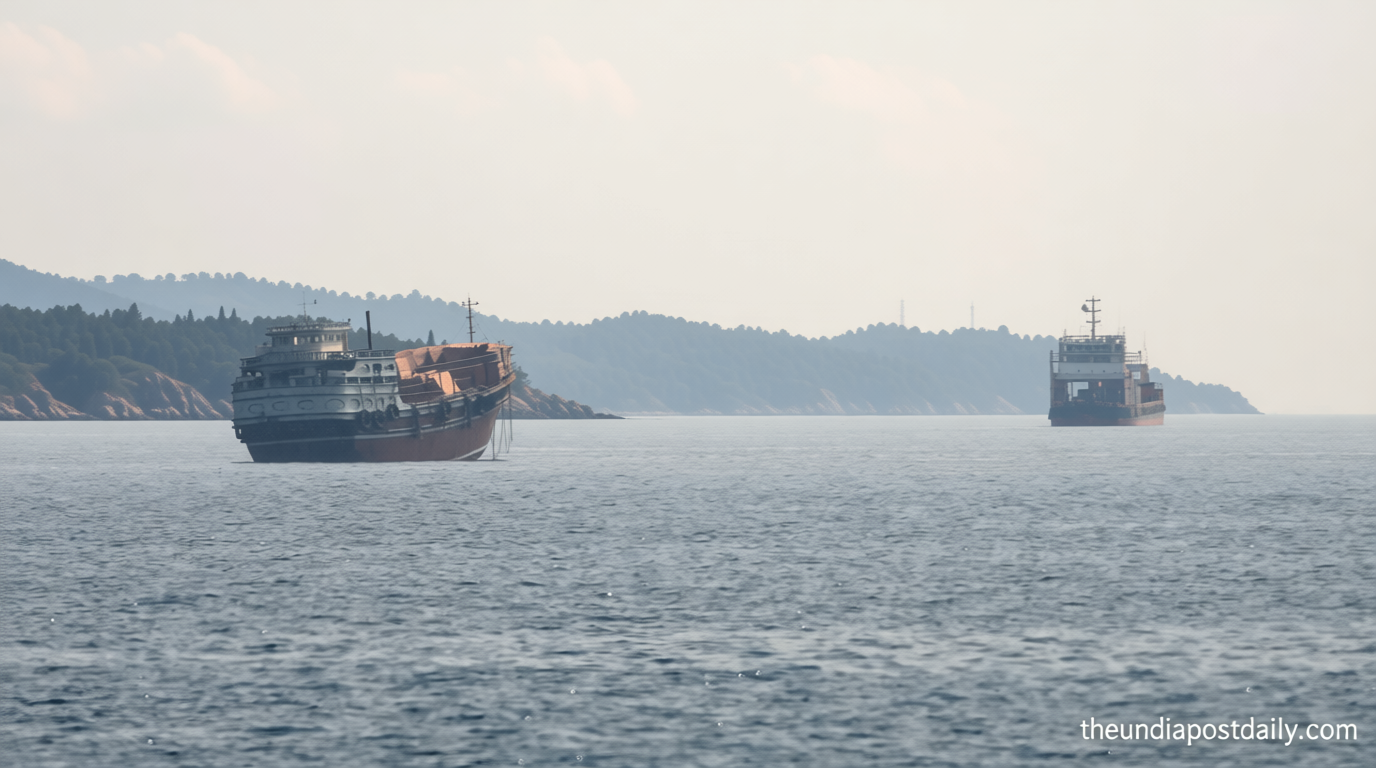
The latest reports of clashes between Iranian forces and shipping traffic have reignited fears of a broader conflict. Kpler, a maritime analytics firm, noted that only two tankers passed through the strait on Thursday, a stark contrast to the 40-ship average before the recent tensions. The Berg 1, an Iranian crude oil tanker, and the Well Sail, a chemical vessel flagged under the Marshall Islands, were among the few to navigate the treacherous waters. Analysts warn that the Strait of Hormuz open or closed situation could trigger a chain reaction, affecting global oil prices and supply chains.
Historical Context and Current Challenges
Historically, the Strait of Hormuz open or closed has been a cornerstone of international energy trade, with over 20% of the world’s crude oil passing through its narrow channels daily. Before the current crisis, the waterway handled a steady flow of vessels, including 125–140 ships per day during peak periods. However, the recent conflict has drastically reduced this volume, with daily traffic now at a fraction of its former levels. This decline highlights the vulnerability of the strait to geopolitical shifts, as any closure could disrupt energy markets and increase global reliance on alternative shipping routes.
The IRGC’s assertion of control is part of a broader strategy to project power in the Gulf. By positioning itself as the guardian of the Strait of Hormuz open or closed, the group aims to solidify Iran’s role in regional security. This move also aligns with Tehran’s diplomatic efforts to frame the conflict as a defense against Western aggression. As the situation evolves, the focus keyword remains central to discussions about the waterway’s status, with analysts and officials alike using it to underscore the precarious balance between military posturing and economic survival.
Global Implications and Industry Responses
Strait of Hormuz open or closed has become a focal point for global energy markets, with traders closely monitoring the situation for signs of prolonged disruption. The reduction in tanker traffic has already begun to impact oil prices, as uncertainty over supply stability drives volatility. Shipping companies are now diversifying routes, with some rerouting through the Suez Canal or the Cape of Good Hope to avoid the strait altogether. This shift, however, comes at a cost, as longer transit times and increased fuel consumption add to operational expenses.
Industry observers and geopolitical analysts have weighed in on the Strait of Hormuz open or closed dilemma, highlighting its implications for global trade and regional stability. Jorge Leon of Rystad Energy noted,
“The near-complete stoppage of tanker traffic through the Strait of Hormuz reflects current risk perceptions more than any declaration from Washington or Tehran.”
Meanwhile, the U.S. military has intensified its presence in the Gulf, deploying naval assets to ensure the waterway remains open. This dual approach—Iran’s assertive control and the U.S.’s defensive measures—paints a picture of a strategic standoff with far-reaching consequences for energy security and international relations.
As the Strait of Hormuz open or closed status remains in flux, the potential for a full-scale closure looms large. Such an event could lead to a spike in oil prices, with estimates suggesting a rise of up to $10 per barrel in the event of a prolonged blockage. The IRGC’s actions, while symbolic of Iranian resolve, also serve as a warning to Western nations. With tensions escalating, the question of whether the strait remains open or closed may soon determine the trajectory of the conflict in West Asia. For now, the world watches as the balance between diplomacy and military force teeters on the edge of the Gulf’s most vital artery.