Strait of Hormuz framework agreed with Oman, says Iranian official amid US-Iran war: When will it completely reopen?
Iran and Oman have reached a preliminary understanding regarding maritime navigation through the Strait of Hormuz, according to Hassan Ghashghavi
Strait of Hormuz Framework Agreed With Oman: Key Details and Timeline
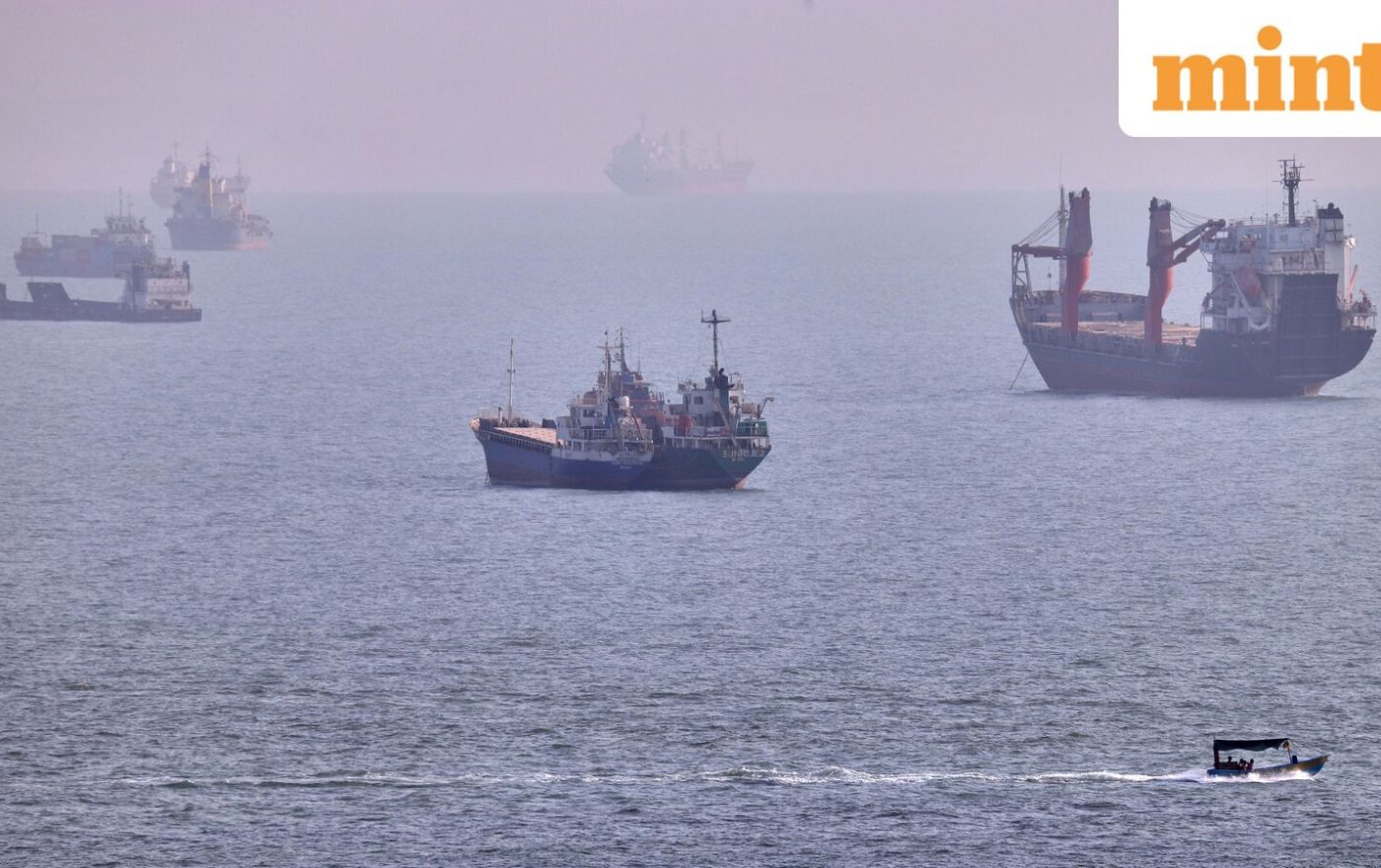
Theindiapostdaily.com – Iran and Oman have reached a preliminary understanding regarding maritime navigation through the Strait of Hormuz, according to Hassan Ghashghavi, spokesperson for the Iranian Parliament’s National Security Commission. The Strait of Hormuz framework agreed upon represents a significant step toward normalizing shipping routes in the strategically vital waterway.
“The general framework of the understanding with Oman has been determined, and the final text and details will be announced soon,” Ghashghavi told IRNA news agency. He emphasized that the final decision must be made at higher levels of government before implementation.
Framework Details and Implementation Timeline
According to semi-official Fars news agency, the draft agreement would grant Iran control over vessel entry into the Strait of Hormuz, while both nations would jointly oversee exits. The proposal includes transit through a designated “central corridor,” with movement through two other routes currently in limited operation expected to cease within a specified timeframe.
“The path of understanding is between Iran and Oman, and no negotiations with the US have taken place during this period,” said Iranian Deputy Foreign Minister Kazem Gharibabadi.
State television reported on Friday that a lawmaker confirmed the final text and details of the agreement with Muscat would be announced “soon.” Some Iranian lawmakers are seeking to include provisions such as a ban on US and Israeli vessels using the Strait of Hormuz, which would conflict with Washington’s demand for unrestricted passage.
Other proposed changes include Iran’s demand for compensation from “hostile countries,” restrictions on cargo linked to Israel, and a fee system to cover services such as insurance and environmental expenses. It remains uncertain whether Iran’s Supreme Leader Mojtaba Khamenei has approved the proposal, which is required for the agreement to move forward.
Regional Implications and Next Steps
US officials indicated on Thursday that any temporary passage routes through the strait would not require approvals, permissions, tolls or charges. This comes in response to reports about the latest proposals from Tehran and Muscat.
Iran has maintained that the discussions are between Tehran and Muscat and that the US is not directly involved. Meanwhile, US President Donald Trump said the talks are “moving along” but offered no further details when questioned by White House reporters.
A reopening of the key chokepoint could help restart wider negotiations between Washington and Tehran aimed at ending the conflict. Fars reported late Thursday that Iranian naval forces had targeted “hostile targets” at the entrance of the strait, suggesting that tensions in the region remain elevated.
Frequently Asked Questions
When will the Strait of Hormuz completely reopen?
The complete reopening depends on the lifting of the US maritime blockade, which Tehran has stated as a prerequisite. Final details of the framework with Oman will be announced soon, though the Supreme Leader’s approval is still pending.
What does the framework mean for US vessels?
While US officials say temporary passage routes would not require approvals, some Iranian lawmakers want to ban US and Israeli vessels. This creates potential friction with Washington’s demand for unrestricted passage through the waterway.
How does this affect energy shipments?
An agreement on managing the Strait of Hormuz has become crucial to hopes of a further increase in energy shipments, which have continued despite recent escalations, though at reduced levels compared with before the US and Israel launched attacks on Iran in late February.