Pilot who hit Beijing tower was struggling with mental health issues — wrote about ending his life
Pilot Who Hit Beijing Tower Struggled with Mental Health, Wrote About Ending His Life Pilot who hit Beijing tower was struggling - The pilot responsible for
Pilot Who Hit Beijing Tower Struggled with Mental Health, Wrote About Ending His Life
Theindiapostdaily.com – The pilot responsible for crashing a light aircraft into the CITIC Tower, Beijing’s iconic skyscraper, was grappling with mental health challenges at the time of the incident. Chinese authorities confirmed that Liu, the pilot, had expressed thoughts about ending his life in a personal diary, which became a key piece of evidence in the investigation. The crash, which occurred on a Friday afternoon, resulted in the pilot’s death and left 13 others injured, raising questions about the intersection of personal distress and aviation safety in the city.
Crash Details and Pilot’s Background
Liu, a 66-year-old aviation enthusiast, took off from a general aviation airport in Pinggu district at 5:55 pm local time. His aircraft, a single-engine plane, deviated from its intended flight path and struck the CITIC Tower, which stands at 528 meters tall. Officials revealed that Liu had been divorced for several years and lived alone in Beijing, a detail that highlighted his possible emotional isolation. The pilot’s decision to fly solo and his failure to communicate with air traffic controllers before the collision suggested a lapse in situational awareness.
“This incident endangered public safety due to personal reasons,” said a statement from the Chaoyang district government, which emphasized the pilot’s mental state as a primary factor in the crash.
The crash occurred in the Central Business District, a hub for government and commercial activity. Liu had held a sport pilot license since 2021 and a private one in 2024, indicating his experience in aviation. However, his final flight showed signs of disorientation, with reports suggesting he may have been distracted or emotionally unstable. Investigators are still reviewing the pilot’s flight logs and personal writings to understand the full scope of his mental health struggles.
Symbolism of the CITIC Tower and Social Media Response
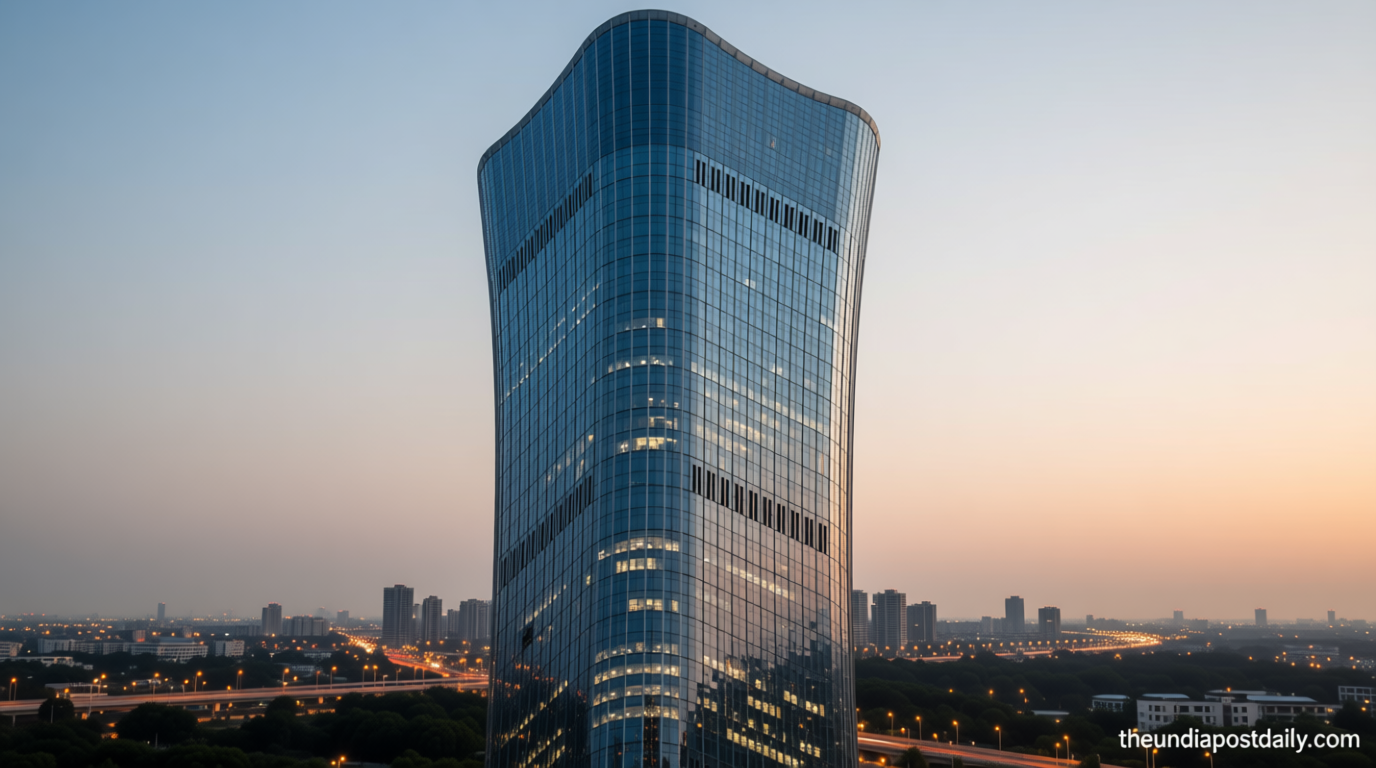
The CITIC Tower, known for its unique wine-vessel-like design, has long been a symbol of prosperity and success in Beijing. Its striking appearance has made it a popular spot for tourists and locals to take photos, often shared on social media for good fortune. Yet, following the crash, Chinese platforms swiftly removed all images and videos related to the tower, including those that predated the incident. This action sparked debates about whether the crash was a catalyst for increased scrutiny of the building’s visibility in public spaces.
AFP journalists noted a window hole on one of the tower’s upper floors, but police restricted access to the site, preventing bystanders from documenting the damage. The incident also raised concerns about the psychological impact on the public, with many expressing fear about the safety of Beijing’s urban skyline. Experts pointed to the tower’s prominence as a potential target, linking the crash to broader issues of mental health and crisis management in high-profile settings.
“The pilot’s actions were a stark reminder of how personal mental health can intersect with public spaces,” said a Beijing-based aviation safety analyst. “It’s a tragedy that underscores the need for better support systems for individuals in distress.”
Security Implications and Investigation
Located just seven kilometers from Zhongnanhai, the political heart of China, the CITIC Tower falls within a 100 sq km no-fly zone. This area is strictly monitored to prevent threats to government officials and critical infrastructure. The crash has prompted officials to review the security protocols in place, with analysts warning that a closer impact could have disrupted Beijing’s defense systems.
Chinese authorities initially released a brief statement in the Beijing Daily, detailing the crash’s cause without elaborating further. However, as the investigation progressed, more information emerged about Liu’s mental health struggles, including his documented plans to end his life. The pilot’s private writings, which were found after the crash, provided insight into his emotional state and may have influenced his decision to fly into the tower. These documents are now being analyzed to determine if they were a direct factor in the incident.
As the city grapples with the aftermath, discussions about mental health support for pilots and other professionals have intensified. The incident has also reignited conversations about the role of social media in shaping public perception and the effectiveness of censorship in controlling narratives. With the pilot’s actions now under closer examination, Beijing’s aviation authorities are working to implement additional measures to prevent similar tragedies.
Broader Impact and Future Measures
The pilot who hit Beijing tower has become a symbol of the growing concerns surrounding mental health in the aviation industry. While the crash was a rare event, it has prompted a reevaluation of the mental well-being of pilots, particularly those operating solo flights. Chinese officials have since announced plans to enhance psychological screening for aviators and provide more resources for those facing emotional challenges.
Local media reports indicate that Liu’s personal life, including his divorce and solitary living, may have contributed to his sense of isolation. This has led to calls for greater attention to the emotional health of individuals working in high-pressure roles. The incident also highlights the importance of maintaining open communication channels during flights, as Liu’s lack of contact with air traffic control was a critical factor in the crash.
“This tragedy serves as a wake-up call for the aviation community,” remarked a mental health professional. “It shows how vital it is to address psychological well-being alongside technical training.”
As the investigation concludes, the pilot who hit Beijing tower remains a focal point for discussions on safety, mental health, and the balance between personal and public responsibility. The city’s response, including the removal of tower-related content and the review of security measures, reflects the urgency of addressing both the immediate and long-term implications of the event.