Pete Hegseth shares image of Chabahar port tower collapse as US-Iran conflict intensifies: Why it matters for India
Pete Hegseth Shares Chabahar Port Collapse Image Amid US-Iran Tensions Theindiapostdaily.com – US Defense Secretary Pete Hegseth recently shared a striking image of a collapsed structure, sparking renewed interest in…
Pete Hegseth Shares Chabahar Port Collapse Image Amid US-Iran Tensions
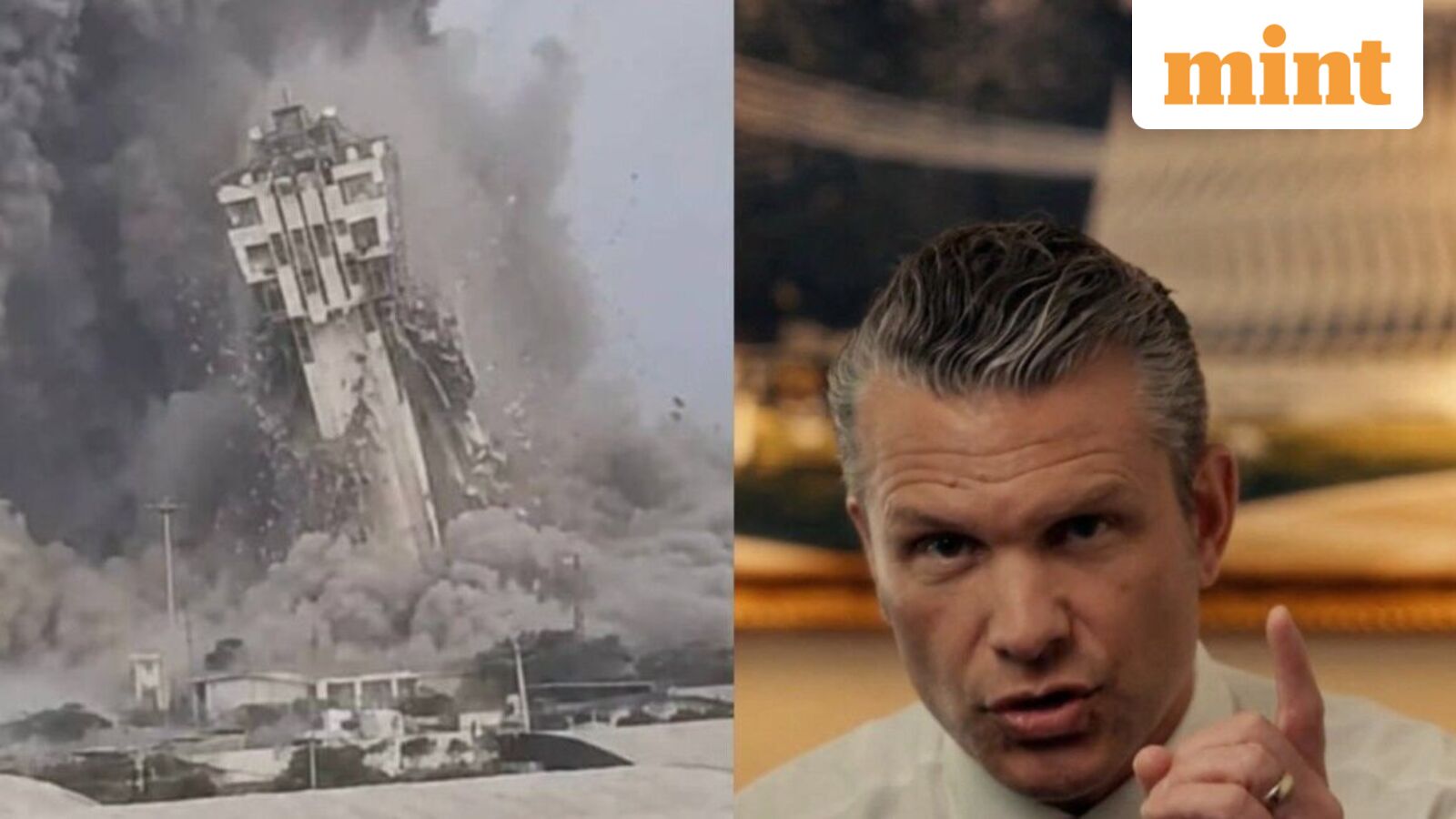
Theindiapostdaily.com – US Defense Secretary Pete Hegseth recently shared a striking image of a collapsed structure, sparking renewed interest in the Chabahar port tower as tensions between the US and Iran escalate. The photo, circulated by the Associated Press, is believed to show the tower at Chabahar, a strategic port in southeastern Iran. While Hegseth did not explicitly name the location, the image has fueled speculation about its connection to the ongoing conflict, underscoring the growing significance of Chabahar in international geopolitics.
Hours before Hegseth’s post, the US military intensified its airstrikes in the Gulf of Oman, targeting key infrastructure at Chabahar port, including bridges and a prominent tower. These strikes, part of a broader campaign to challenge Iran’s influence over the Strait of Hormuz, aimed to disrupt the country’s supply lines and economic operations. Tehran responded swiftly, launching missile attacks on US allies such as Qatar, highlighting the interconnected nature of regional conflicts and the potential for wider escalation. The Chabahar tower’s collapse has since become a symbol of the strategic stakes in the area.
Historical and Strategic Role of Chabahar
Chabahar has long been a critical hub for Iran, serving as a gateway to the Indian Ocean and a vital link in the country’s trade network. Its deep-water location allows for efficient shipping routes to Afghanistan and Central Asia, bypassing Pakistan and reducing reliance on the Arabian Peninsula. The Islamic Revolutionary Guard Corps (IRGC) maintains a strong presence at the port, overseeing both commercial and military operations. The recent strikes on bridges and the tower have disrupted this infrastructure, raising concerns about its long-term impact on Iran’s economic resilience.
The collapse of the Chabahar port tower, as captured in Hegseth’s image, marks a significant blow to the region’s logistics. The tower, strategically positioned near the port’s main facilities, played a crucial role in managing commercial activity and facilitating the movement of goods. The damage to the tower, coupled with strikes on other bridges in Hormozgan province, has disrupted transportation links, affecting both Iranian and Afghan supply chains. At least seven people were reportedly killed in these strikes, according to initial reports, underscoring the human cost of the conflict.
Chabahar’s Importance to India’s Geopolitical Goals
For India, the Chabahar port holds immense strategic value. Located at the mouth of the Gulf of Oman, it serves as a critical transit point for trade with Central Asia, offering a direct route to Afghanistan and beyond. This connection is particularly vital for India, which has faced challenges in accessing landlocked markets through Pakistan. The Indian Express noted that Chabahar’s role in international trade has made it a focal point for diplomatic and military engagement, especially in the context of US-Iran tensions.
Since 2002, India has invested heavily in the development of Chabahar, viewing it as a strategic asset to counterbalance Pakistan’s influence in the region. Iranian Foreign Minister Abbas Araghchi once called the port a
“golden gate,”
emphasizing its economic and logistical importance. The ongoing strikes on the port’s infrastructure, including the collapse of the tower, threaten to undermine this partnership. As Hegseth’s image gains attention, it highlights how the Chabahar port’s status as a key trade hub could be further jeopardized by US military actions.
The strategic importance of Chabahar extends beyond trade. The port is a linchpin in India’s efforts to strengthen ties with Iran, which has historically been a key partner in the region. The US strikes on Chabahar have not only disrupted local operations but also raised questions about the stability of this corridor. With the US and Iran locked in a cycle of mutual attacks, the port’s future hangs in the balance, impacting India’s ability to maintain its economic foothold in the Persian Gulf and beyond.
As the conflict intensifies, the Chabahar port’s role in regional logistics becomes even more pronounced. The strikes on its infrastructure, including the tower’s collapse, have forced Iran to reassess its defense posture and economic strategies. Meanwhile, India is closely monitoring the situation, as any sustained disruption could force the country to seek alternative routes or partnerships. Hegseth’s image, shared during this critical phase, serves as a reminder of the delicate balance between US military intervention and the geopolitical interests of nations like India that depend on Iran’s strategic assets.