Perseid meteor shower 2026 to peak on August 12-13, under moonless sky: When and how to watch in India, US, UK
Theindiapostdaily.com – ```html Perseid Meteor Shower 2026: A Moonless Spectacle Awaits Stargazers have something extraordinary to look forward to this summer. The Perseids, celebrated as one of nature's most impressive…
Theindiapostdaily.com – “`html
Perseid Meteor Shower 2026: A Moonless Spectacle Awaits
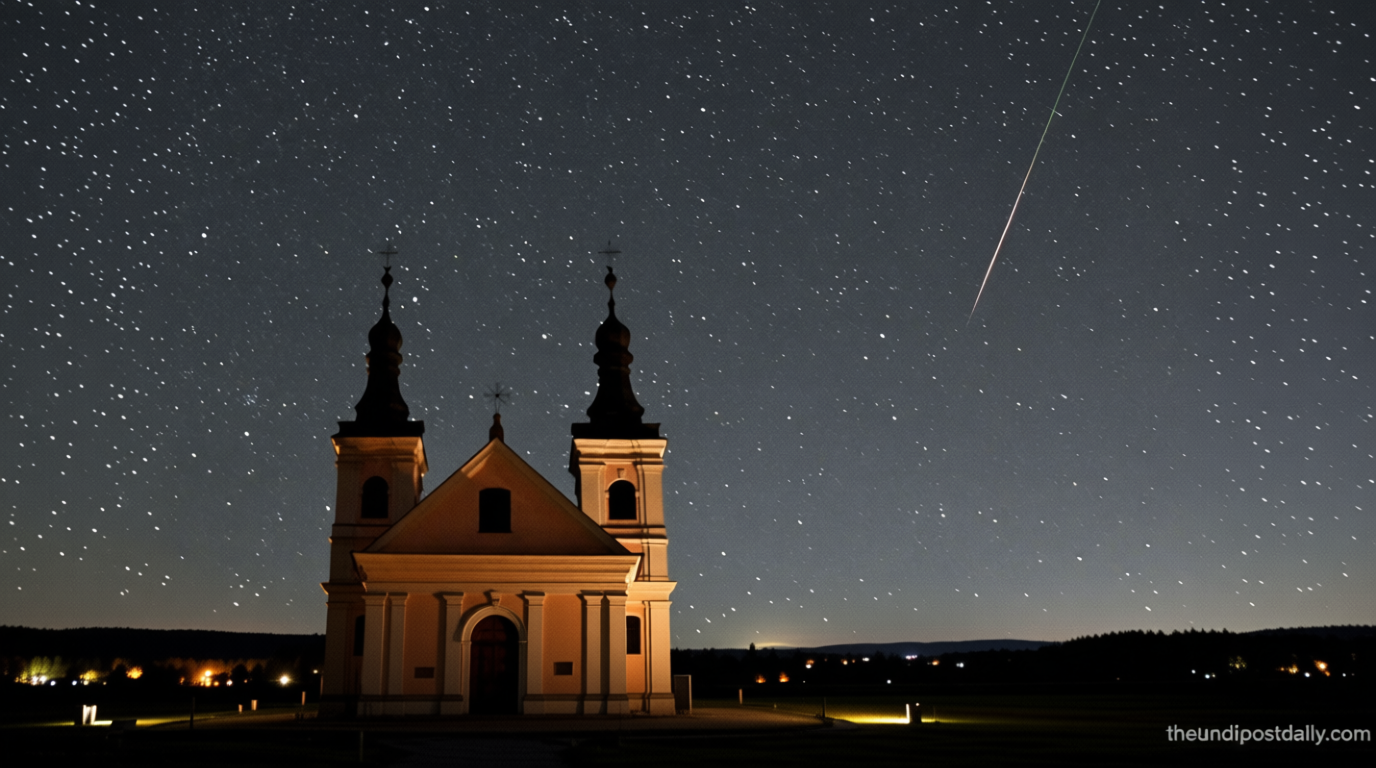
Stargazers have something extraordinary to look forward to this summer. The Perseids, celebrated as one of nature’s most impressive celestial displays, will reach maximum intensity during the night spanning August 12th through 13th, 2026. What makes this particular occurrence especially remarkable is the timing of the new moon on August 12th, which will bathe the heavens in darkness perfect for observation.
Why This Year’s Display Stands Out
Under optimal conditions, observers can witness as many as 100 shooting stars each hour. The celestial phenomenon occurs annually in August when Earth travels through the dusty trail left behind by comet Swift-Tuttle. This magnificent comet completes one revolution around our Sun every 133 years. Its previous appearance in our inner solar system occurred in 1992, and enthusiasts must wait until 2125 for its next visit.
NASA notes that the Perseids frequently produce fireballs—brilliant explosions of light and color that endure longer than typical meteor streaks. These spectacular events happen because they originate from larger fragments of cometary material compared to ordinary meteors.
Optimal Viewing Times and Locations
The Perseid meteor shower remains active from approximately mid-July through mid-August. According to EarthSky, the absolute peak arrives at 14:53 UTC on August 13, 2026.
“So the mornings of August 12 and 13 are probably your best bets. August 14 might be good as well, but be aware that the Perseids tend to fall off rapidly after their peak.”
Since the moon will be in its new phase during the 2026 peak, viewers will enjoy exceptionally dark skies. Dr. Ashley King, a planetary scientist and meteorite specialist, emphasized the advantage of this timing:
“The darker the skies, the better your chances of seeing the really faint meteors as well. You could go to the coast or stand on a hill in the middle of the countryside somewhere.”
The shower builds gradually to its maximum intensity before declining quickly. Numbers typically increase as late night transitions into the early morning hours preceding dawn. Many observers consider the period just before dawn on August 13, 2026, to be the prime viewing moment.
Regional Viewing Recommendations
Observers in the Northern Hemisphere enjoy the most favorable conditions, though the display remains visible down to mid-southern latitudes. North America, Europe, and portions of Asia and Africa all offer opportunities for viewing.
In the United Kingdom, the Royal Museum Greenwich recommends the window between midnight and 5:30 AM as ideal for Perseid observation. American viewers can sometimes spot meteors as early as 10-11 PM ET, though pre-dawn hours remain superior.
India’s Perfect Viewing Window
For Indian skywatchers, the shower’s absolute peak occurs around 8:23 PM IST on August 13 (corresponding to 14:53 UTC). However, the constellation Perseus climbs higher as the night progresses, creating an even more spectacular opportunity.
The most rewarding viewing period for India spans from 2:00 AM to 4:30 AM IST on the pre-dawn mornings of both August 12 and August 13.
Lifestyle Asia highlighted several premier Indian locations for stargazing during the 2023 Perseid display, including Ladakh, Spiti Valley, Jaisalmer, Coorg, and the Andaman and Nicobar Islands.
Practical Tips for Observers
While the Perseids can be viewed from virtually anywhere, certain locations significantly improve your chances of spotting meteors. Planning ahead and monitoring weather forecasts proves essential. Should inclement conditions threaten your plans, consider relocating or adjusting your schedule—the days preceding the peak often prove more favorable than those following it.
The Planetary Society explains that the period between midnight and pre-dawn offers superior viewing because observers position themselves on Earth’s leading side, watching comet debris approach like rain striking a vehicle’s windshield.
Begin your observation session around 11 PM local time when shooting star frequency increases. Dr. Ashley King shared valuable advice from the Natural History Museum:
“You might not be able to see anything for the first 10 minutes while your eyes adjust to the dark. Once you get used to the low light levels you’ll begin to notice more and more. So don’t give up too quickly.”
Understanding the Science Behind the Show
Meteors originate from remnants of ancient comets and fragments from shattered asteroids. NASA describes how comets deposit dusty trails as they journey around the Sun. Each year, Earth traverses these debris pathways, causing particles to collide with our atmosphere and disintegrate into the fiery, colorful streaks that captivate observers worldwide.
“`
Related Reading
Frequently Asked Questions
What is Perseid meteor shower 2026 to peak?
Perseid meteor shower 2026 to peak is the main topic of this guide. The article explains the context, practical details, and next steps readers should understand.
Why does Perseid meteor shower 2026 to peak matter?
Perseid meteor shower 2026 to peak matters because readers are looking for a useful answer, not just a short summary. Good content should match search intent and help them decide what to do next.