Pakistani Air Force trainer aircraft crashes in Khyber Pakhtunkhwa during routine sortie, both pilots killed
Pakistani Air Force Trainer Aircraft Crashes in Khyber Pakhtunkhwa, 2 Pilots Killed Pakistani Air Force trainer aircraft crashes - A Pakistani Air Force
Pakistani Air Force Trainer Aircraft Crashes in Khyber Pakhtunkhwa, 2 Pilots Killed
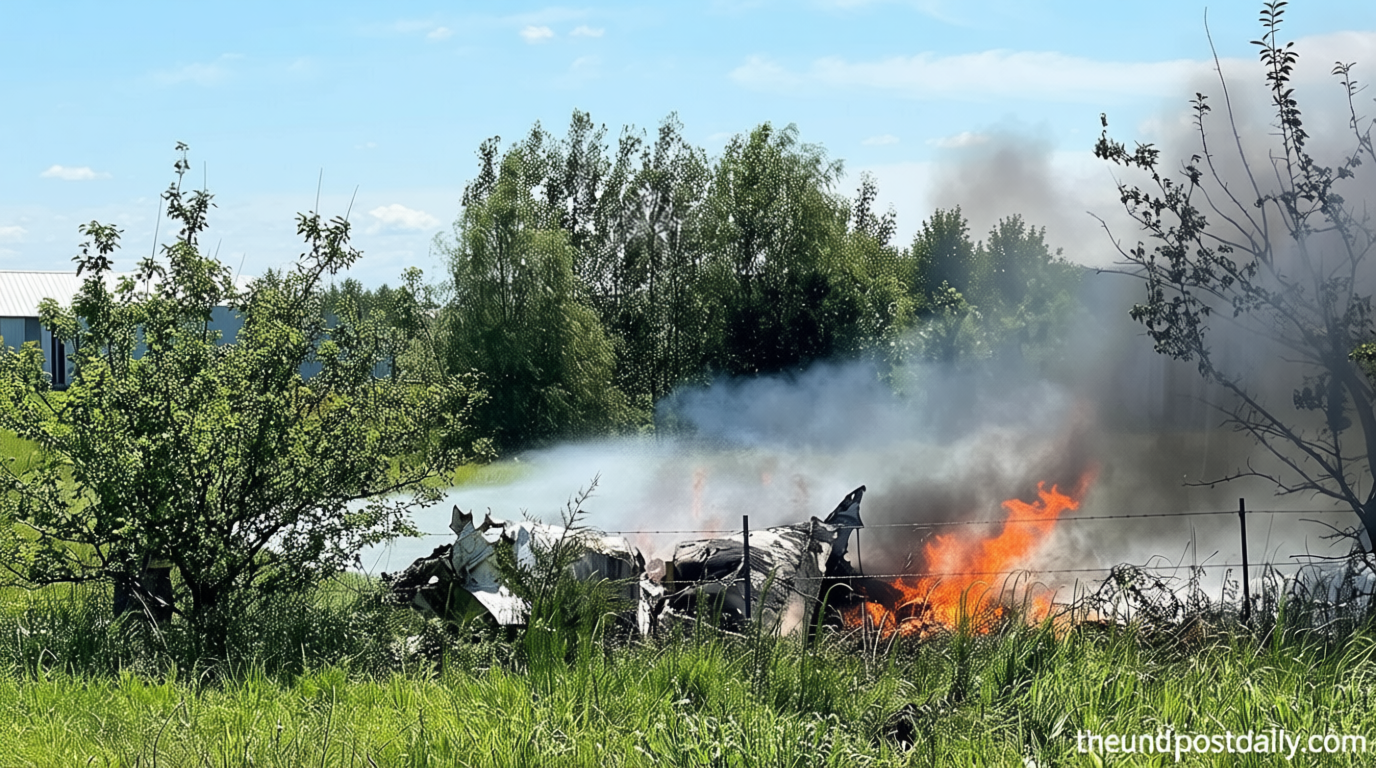
Theindiapostdaily.com – A Pakistani Air Force trainer aircraft crashed in Khyber Pakhtunkhwa province on Monday, local time, during a routine sortie, resulting in the deaths of both pilots on board. The incident, which occurred near Mardan, has raised concerns about the safety of military aviation in the region. According to initial reports, the crash happened shortly after takeoff, with the aircraft losing altitude and impacting the ground in a remote area. The Pakistan Air Force has confirmed the loss of life and is investigating the cause of the accident. This tragedy marks the second air crash in five days, underscoring the need for a thorough review of operational protocols.
Immediate Response and Ongoing Investigation
The Air Headquarters in Islamabad has swiftly established an inquiry panel to determine the cause of the crash. This panel will examine the aircraft’s maintenance records, pilot training, and weather conditions at the time of the incident. Meanwhile, the families of the deceased have been notified, and condolences have been extended by senior military officials. Field Marshal Asim Munir, representing the service chiefs, highlighted the tragedy’s emotional impact, stating, “The professionalism and dedication of Pakistan’s armed forces in defending the country are unparalleled, and we are committed to ensuring the safety of our personnel.”
“Our hearts are heavy with sorrow, and we will do everything possible to bring clarity to this incident,” said a statement from the Pakistan Air Force. The crash site in Khyber Pakhtunkhwa has been cordoned off for forensic analysis, with rescue teams working to recover the wreckage and gather evidence. The military has also initiated a review of its training procedures and equipment to prevent future incidents.
Recent Trend of Aircraft Accidents in Pakistan
This incident follows another air disaster involving an Army Aviation Mi-17 helicopter near Muzaffarabad on June 10, which was attributed to a technical fault during takeoff. The recent string of crashes has sparked discussions about the reliability of military aircraft in Pakistan. The Air Force’s training operations, which are critical for maintaining combat readiness, have now faced scrutiny. Officials are expected to release a detailed report within the next two weeks, which could influence future safety measures and pilot training programs.
“We are analyzing every possible factor, including human error and mechanical failure,” said a spokesperson for the military. The focus keyword “Pakistani Air Force trainer aircraft” is central to this inquiry, as the incident highlights vulnerabilities in the fleet’s routine operations. The crash has also prompted questions about the adequacy of maintenance schedules and the condition of the aircraft involved.
Historical Context of Military Aviation Disasters
Over the past decade, Pakistan has experienced a series of military aviation accidents that have claimed numerous lives. In September 2025, a helicopter crash in Diamer district, Gilgit-Baltistan, killed five personnel due to a technical malfunction. Earlier that year, in August, a government rescue helicopter crashed in Mohmand district, resulting in two pilots and three crew members losing their lives to severe weather conditions. These incidents, while varying in cause, reflect a recurring pattern of challenges in the country’s aviation sector.
2022 saw two Army helicopters involved in fatal crashes during the latter half of the year. The first, in August, led to the discovery of a missing helicopter’s wreckage in Balochistan’s Lasbela district, where Commander 12 Corps Lieutenant General Sarfraz Ali and five others were declared martyrs. Later in September, six army officials, including two majors, died in a crash near Khost in Harnai, Balochistan. These events have contributed to a growing awareness of the risks associated with military aviation in Pakistan.
Impact on Training Operations and Public Perception
The crash of the Pakistani Air Force trainer aircraft has sent shockwaves through the military community and the public. Training flights are a vital component of the Air Force’s operations, and the loss of two pilots has prompted a reassessment of safety standards. Local residents in Khyber Pakhtunkhwa have expressed concern, with some describing the area as prone to sudden weather changes that could affect flight stability. The Air Force’s ability to maintain routine sorties without significant issues has now been called into question.
“This tragedy is a stark reminder of the dangers inherent in aviation, even during routine missions,” noted a local analyst. The crash has also sparked debates about the balance between operational demands and pilot safety. With the focus keyword “Pakistani Air Force trainer aircraft” now under scrutiny, the military is likely to prioritize enhanced training simulations and real-time monitoring systems to mitigate risks in future flights.
Looking Ahead: Safety Measures and Future Implications
In the wake of the crash, the Pakistan Air Force has announced plans to implement stricter safety protocols, including mandatory pre-flight inspections and updated training modules for pilots. The incident has also prompted discussions about the role of weather forecasting in military aviation, as the recent crash near Mardan occurred under conditions that were not initially deemed hazardous. Experts suggest that the Air Force should invest in advanced technology, such as weather radar systems and emergency communication devices, to enhance situational awareness during routine sorties.
While the immediate focus remains on the investigation, the broader implications for military aviation in Pakistan are significant. The repeated occurrence of accidents involving the focus keyword “Pakistani Air Force trainer aircraft” has led to calls for a comprehensive review of the fleet’s maintenance and operational practices. As the Air Force continues to operate in challenging terrains, ensuring the safety of its personnel will be paramount to maintaining public confidence and operational efficiency.