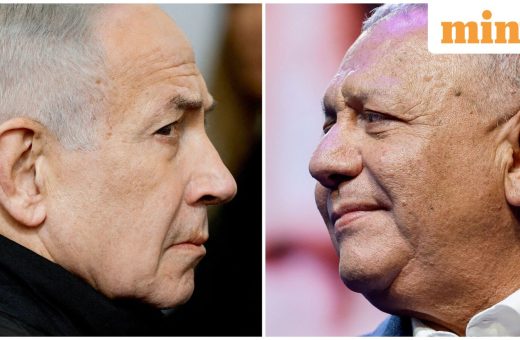
Nine retired generals in diplomatic roles put Pakistan army chief Asim Munir’s influence under scrutiny: Report
Pakistan has placed nine retired senior military officers in diplomatic assignments overseas, part of a wider group of 17 ambassadors and high commissioners
Pakistan’s Diplomatic Appointments Draw Focus to Military Influence
Theindiapostdaily.com – Pakistan has placed nine retired senior military officers in diplomatic assignments overseas, part of a wider group of 17 ambassadors and high commissioners appointed from outside the country’s career foreign service. The disclosures have intensified attention on the military’s continuing visibility in Pakistan’s national decision-making structure and on the criteria used for prominent diplomatic postings.
Foreign Minister Mohammad Ishaq Dar provided the information in a written reply to the Senate after Senator Muhammad Talha Mahmood requested details about non-career diplomats serving abroad. The inquiry sought their professional backgrounds, domiciles and the process used to make such appointments.
The appointments extend across the Middle East, Africa, Europe and Asia, putting retired representatives of the army, air force and navy in positions that normally involve managing bilateral relations, representing Pakistan’s policy positions and overseeing consular work.
Retired Officers Assigned to Overseas Missions
The nine former military officers named for diplomatic assignments include Major General (Retd) Kamran Tabrez Savera, designated as High Commissioner to Abuja, Nigeria. Major General (Retd) Khurram Sarfraz Khan has been posted to Amman, Jordan, while Major General (Retd) Nayyar Naseer has been assigned to Colombo, Sri Lanka.
Air Marshal (Retd) Muhammad Mughes Afzal is posted to Damascus, Syria. Lieutenant General (Retd) Muhammad Aamer has been assigned to Doha, Qatar, and Major General (Retd) Kanwar Adnan Ahmad Khan has been posted to Kyiv, Ukraine.
The remaining former officers are Vice Admiral (Retd) Faisal Rasul Lodhi, posted to Male, Maldives; Major General (Retd) Muhammad Irfan, named Ambassador-designate to Sarajevo, Bosnia; and Major General (Retd) Mumtaz Hussain, named Ambassador-designate to Tripoli, Libya.
The range of assignments illustrates the extent to which retired military personnel have been selected for senior overseas roles. Pakistan’s representation in these locations covers countries of differing strategic, economic and regional importance, from Gulf states and South Asian neighbours to European and African capitals.
Eight Other Appointees Outside the Career Service
The Senate response also identified eight additional non-career diplomats. Dr Yousaf Junaid has been posted to Ankara, Turkey, while Dr Faryal Leghari has been assigned to Ashgabat, Turkmenistan. Kohdayar Marri is serving in Hanoi, Vietnam, and Muhammad Irfan Tarar has been designated Ambassador to Niamey, Niger.
Other appointments include Zaheeruddin Babar Thaheem in Phnom Penh, Cambodia; Aqil Gillani in Rabat, Morocco; Dr Najeeb Samie as Ambassador-designate to Tunis, Tunisia; and Muhammad Sami-ur-Rehman in Warsaw, Poland.
Collectively, these 17 appointments demonstrate Pakistan’s use of individuals outside its permanent diplomatic cadre for high-level representation abroad. Such selections are distinct from postings filled by officers who have spent their careers in the Foreign Service of Pakistan.
Why the Appointments Matter
The prominence of retired military officers in the group has renewed debate over how Pakistan balances political, institutional and professional considerations when choosing envoys. Ambassadors and high commissioners do more than attend ceremonial events: they engage host governments, support citizens abroad, promote trade and communicate Islamabad’s positions on regional and international issues.
Career diplomats generally gain experience over many years through work in bilateral missions, multilateral forums, consular offices and the foreign ministry. Their professional training can include negotiation, international law, policy analysis and the management of diplomatic relationships. Non-career appointments can bring experience from other fields, but they also prompt questions about how candidates are evaluated and what the choices mean for professional advancement within the foreign service.
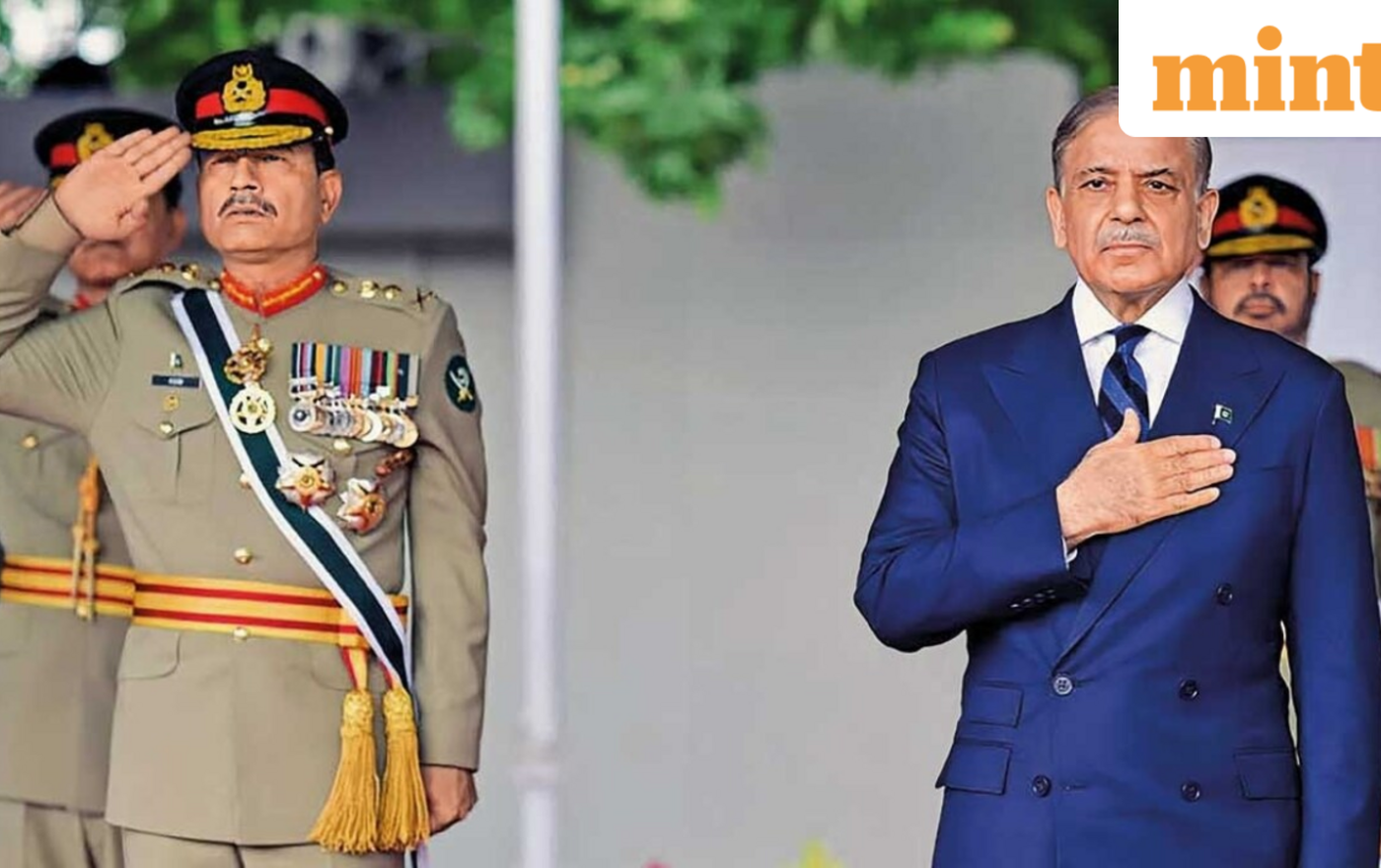
The issue is particularly sensitive in Pakistan because the military has long held considerable influence in matters relating to security and foreign policy. Army Chief Asim Munir has appeared alongside Prime Minister Shehbaz Sharif during major foreign visits and has at times taken a leading role in diplomatic engagements. The latest list of appointments has therefore added to public scrutiny of the relationship between civilian institutions, military leadership and foreign-policy representation.
Diplomacy Beyond Individual Postings
Every ambassadorial appointment carries practical consequences for the mission concerned. Envoys must maintain communication with host-country authorities, assist in developing economic and political ties, respond to crises affecting Pakistani nationals and coordinate with Islamabad on policy priorities. Their work can also shape how Pakistan is perceived internationally.
The Senate disclosure places a sharper focus on transparency around these choices. Parliamentary questions about appointees’ backgrounds and the procedures governing their selection give lawmakers and the public an opportunity to examine how overseas representatives are chosen.
For Pakistan’s career diplomats, the debate also touches on institutional expectations. Senior foreign service officers typically progress through postings of increasing responsibility before becoming eligible for top missions. A substantial number of appointments from outside that system may influence perceptions of promotion opportunities and the value placed on specialist diplomatic experience.
At the same time, the appointments show that Pakistan continues to draw from a broad pool of former officials and professionals for diplomatic work. The effectiveness of those choices will ultimately be measured by the ability of each mission to protect Pakistan’s interests, maintain productive relationships with host governments and deliver results for citizens and businesses abroad.
Related Reading
Frequently Asked Questions
What is Nine retired generals in diplomatic roles?
Nine retired generals in diplomatic roles is the main topic of this guide. The article explains the context, practical details, and next steps readers should understand.
Why does Nine retired generals in diplomatic roles matter?
Nine retired generals in diplomatic roles matters because readers are looking for a useful answer, not just a short summary. Good content should match search intent and help them decide what to do next.