Middle East news: Israel-Hezbollah agree to ceasefire after escalation in hostilities in Lebanon
Amid rising tensions in the Middle East, Israel and Hezbollah have reached a ceasefire agreement
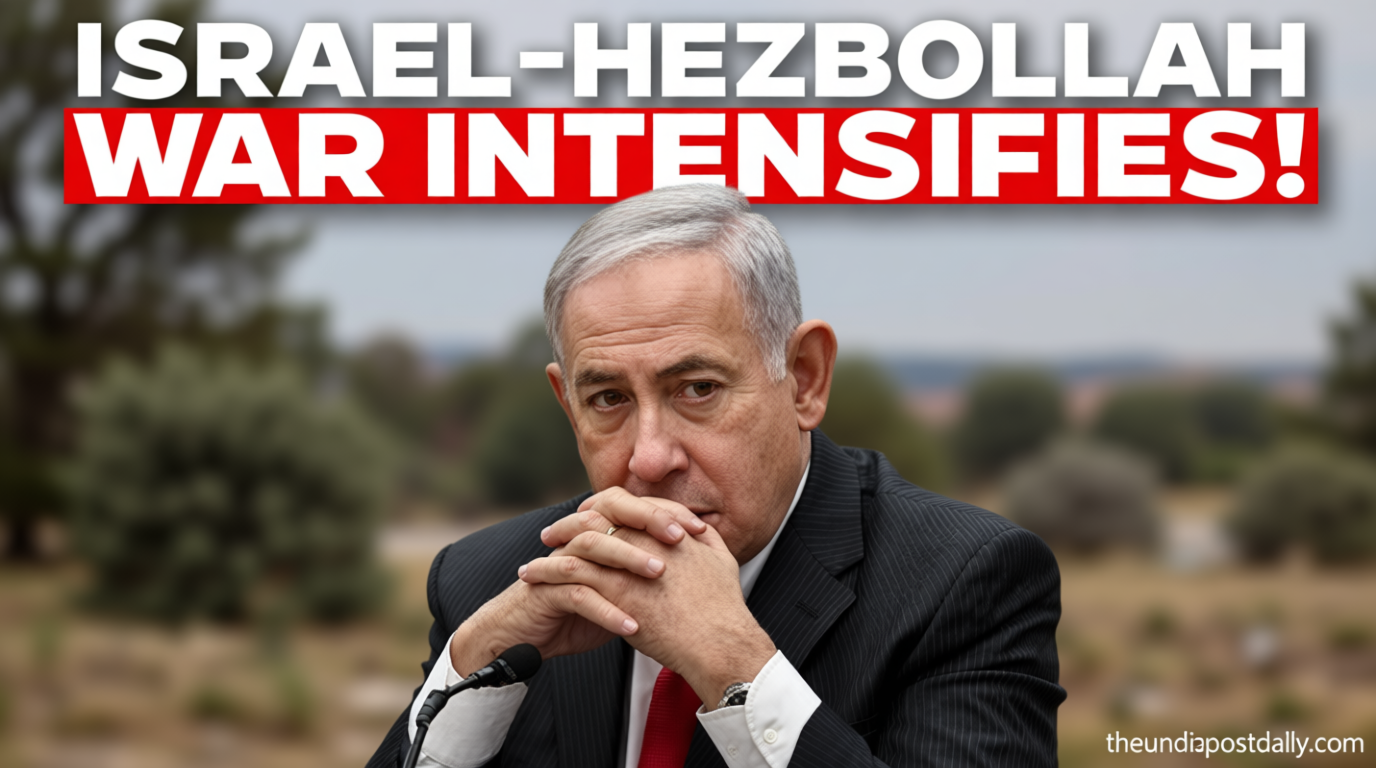
Middle East Ceasefire: Israel-Hezbollah Agree to Truce After Escalation
Theindiapostdaily.com – Amid rising tensions in the Middle East, Israel and Hezbollah have reached a ceasefire agreement following a surge in hostilities in Lebanon. This landmark decision, announced after a week of intense clashes, marks a critical turning point in the ongoing conflict. The truce, which takes effect at 4 p.m. local time (1300 GMT), aims to reduce the escalating violence and stabilize the region. The agreement comes as the U.S.-Iran nuclear deal faces scrutiny, with regional tensions testing its effectiveness in curbing hostilities.
Agreement Details and Timeline Discrepancies
The ceasefire was confirmed by a senior Israeli official and two Hezbollah representatives, though discrepancies emerged regarding the timeline of operations. Israeli forces claimed no strikes occurred after 5 p.m., but a Reuters correspondent in northern Israel reported explosions near the ceasefire’s start at 4:50 p.m., hinting at continued activity. Meanwhile, Lebanon’s National News Agency (NNA) noted a drone attack on a southern highway, resulting in two deaths, though Israel has yet to comment on the incident. These conflicting accounts raise questions about the agreement’s immediate enforceability.
“If Hezbollah does not attack us, then for us it is not a time of war,” said an Israeli official, highlighting the group’s right to defend itself. The terms of the deal allow Israeli forces to maintain a presence in southern Lebanon, underscoring the complexity of the peace effort.
Lebanon’s health ministry reported that Israeli strikes since March 2 have killed at least 47 civilians, with a total of 3,912 casualties, including 746 medical personnel, women, and children. Israel countered by stating four of its soldiers were killed in southern Lebanon, part of what it described as the deadliest Hezbollah attacks since the conflict began. The agreement, mediated by American and Qatari diplomats with Iranian support, calls for a permanent halt to military operations. However, the recent resumption of violence has sparked doubts about its long-term success.
Political Context and Regional Implications
The ceasefire negotiations were influenced by the broader U.S.-Iran deal, which seeks to limit Tehran’s nuclear program in exchange for sanctions relief. Hezbollah’s leader, Hassan Fadlallah, emphasized Iran’s insistence on a comprehensive ceasefire to facilitate talks with Washington. Despite this, Israel has expressed frustration, arguing the agreement does not fully address its concerns about Iranian-backed aggression. The conflict, which began on March 2, has drawn significant attention to the Middle East news landscape as global observers monitor its potential for resolution.
Israeli Prime Minister Benjamin Netanyahu had previously vowed to “extract a very heavy price” from Hezbollah after the loss of four soldiers, reflecting the nation’s determination to counter Iranian influence. The ceasefire’s impact remains uncertain, with conflicting reports of airstrikes and attacks during the agreed pause. Analysts suggest the agreement could provide temporary relief, but its success hinges on both parties adhering to the terms and addressing underlying grievances.
As the Middle East news cycle continues, the ceasefire represents a fragile step toward de-escalation. While the agreement addresses immediate combat, it leaves room for future disputes, particularly as Iran’s role in the conflict remains central. The coming days will be crucial in determining whether this pause in hostilities can transition into lasting peace or if renewed violence is inevitable. For now, the region holds its breath, hoping for stability amid a history of intense conflict.