Lula’s comeback in Brazil election: 4 factors that helped him beat Flavio Bolsonaro and secure a fourth term
Lula s comeback in Brazil ended with Luiz Inacio Lula da Silva winning a fourth term as president after defeating right-wing candidate Flavio Bolsonaro in the
Lula’s Comeback in Brazil Delivers a Fourth Presidential Term
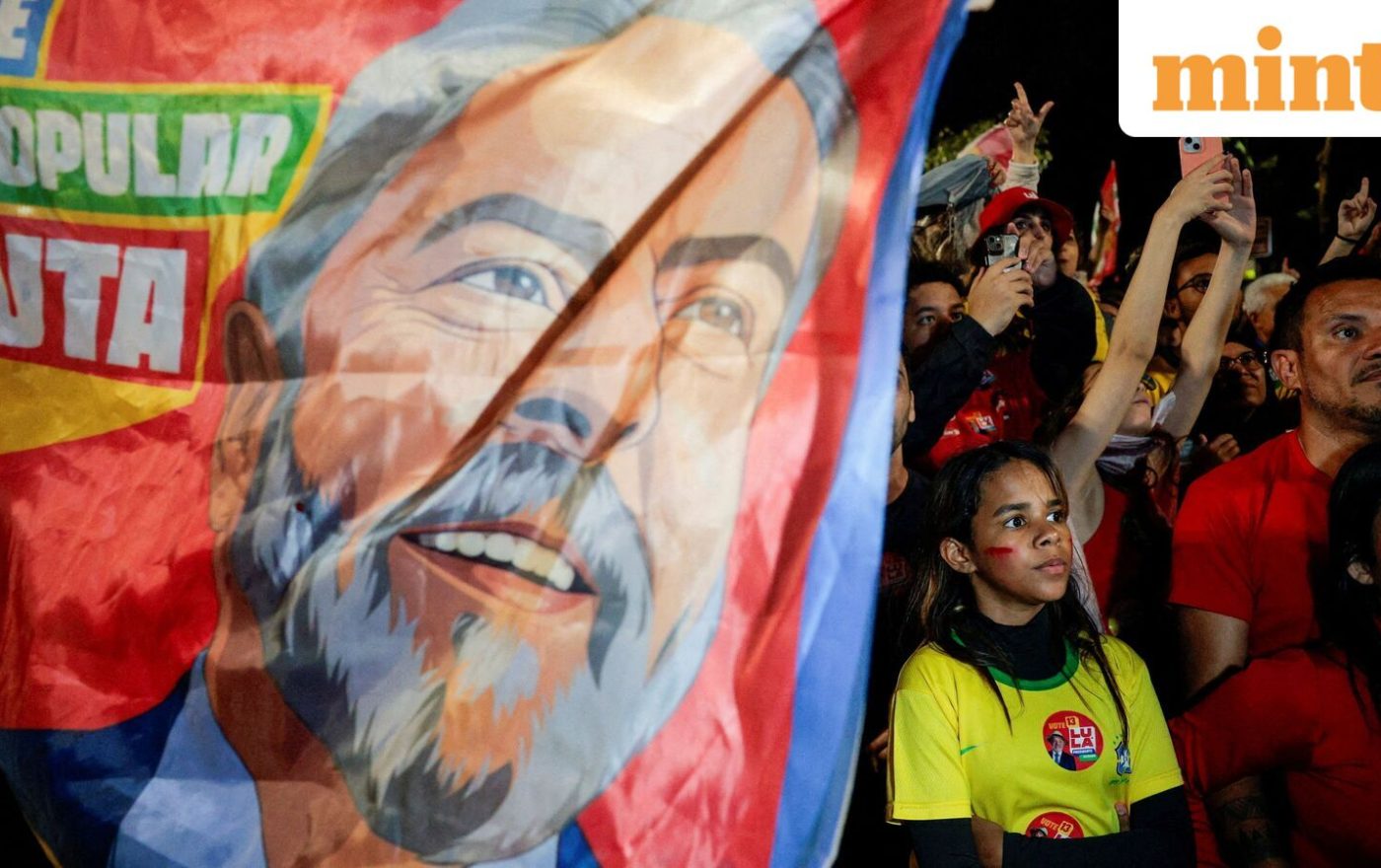
Theindiapostdaily.com – Lula s comeback in Brazil ended with Luiz Inacio Lula da Silva winning a fourth term as president after defeating right-wing candidate Flavio Bolsonaro in the runoff. Lula secured 51.8% of the vote, following a campaign reset that combined youth mobilisation, stronger digital outreach and a sharp contrast with the Bolsonaro family’s record.
The 80-year-old president had admitted that his first-round campaign was among the most disorganised of his long political career. Before the final vote, his team shifted strategy by increasing direct online engagement, bringing younger political figures into the campaign and encouraging supporters to organise in their own communities.
The result marked another significant chapter in Lula’s political career and demonstrated the importance of a focused runoff campaign. Street activity, social media communication and concerns about a Bolsonaro family return all helped shape the final contest.
Younger voters became a powerful campaign force
Students and younger voters played a highly visible role after the first round, organising demonstrations in Rio de Janeiro, Sao Paulo and Belo Horizonte. Many participants voiced support for Lula’s social agenda while raising concerns about minority rights, democratic institutions and the prospect of the Bolsonaro family returning to national power.
“Bolsonaro never again”
The slogan became a prominent feature of the street demonstrations and gave Lula’s campaign renewed grassroots energy. Eduardo Grin, a political scientist at the Getulio Vargas Foundation, said the mobilisation of younger voters was fundamental to the outcome.
Lula compared the activism with the campaign for direct elections in 1984, when Brazilians demanded democratic voting during the military dictatorship. For many supporters, the rallies offered a public expression of concerns about social protections and the country’s political direction.
Digital campaigning strengthened the ground operation
Lula’s campaign also sought to reduce the political right’s advantage online. The president adopted a more personal approach to digital communication, worked with younger influencer-politicians and called himself the “king of the selfie” after buying his first cellphone.
Supporters used social platforms, hashtags and WhatsApp to distribute campaign messages and speak directly with voters. The “Lula’s Army” WhatsApp channel grew from 60,000 followers to nearly 11 million in three weeks, giving volunteers a major channel for coordination and outreach before voting day.
Publicist Taiza Mendonca said the work demanded substantial time beyond her ordinary job. Older supporters also adapted to the campaign’s online language, with some learning how to use hashtags. Oliver Stuenkel of the Getulio Vargas Foundation pointed to the sustained efforts of left-wing activists who combined online posting with face-to-face conversations.
The Bolsonaro family became the defining contrast
Lula s comeback in Brazil was also driven by the way the runoff framed the choice facing voters. Flavio Bolsonaro, 45, had the support of his father, former president Jair Bolsonaro, and described him as his “compass” during the campaign.
Flavio Bolsonaro said he would seek to secure his father’s release if elected. Jair Bolsonaro is serving a 27-year prison sentence connected to an attempted coup after his defeat in the 2022 election.
Critics of the former president cited hunger, the handling of the Covid-19 pandemic, violence against minorities and environmental policies they considered dismissive of climate change. Lula’s supporters used those issues to argue that the election carried wider consequences for Brazil’s democracy and social protections.
FAQ: Lula’s Election Victory in Brazil
Who did Lula defeat in the runoff?
Lula defeated Flavio Bolsonaro, a right-wing candidate backed by his father, former president Jair Bolsonaro.
What share of the vote did Lula receive?
Lula won 51.8% of the vote in the presidential runoff.
What helped Lula win the election?
Lula s comeback in Brazil was supported by youth-led demonstrations, a rapid expansion of digital campaigning, WhatsApp outreach and voter concerns about the Bolsonaro family returning to the presidency.