Louvre heist: Mastermind ‘wasn’t happy’; thought burglars ‘could have taken more’
The Louvre heist, a dramatic theft that shook the world of art and culture, revealed
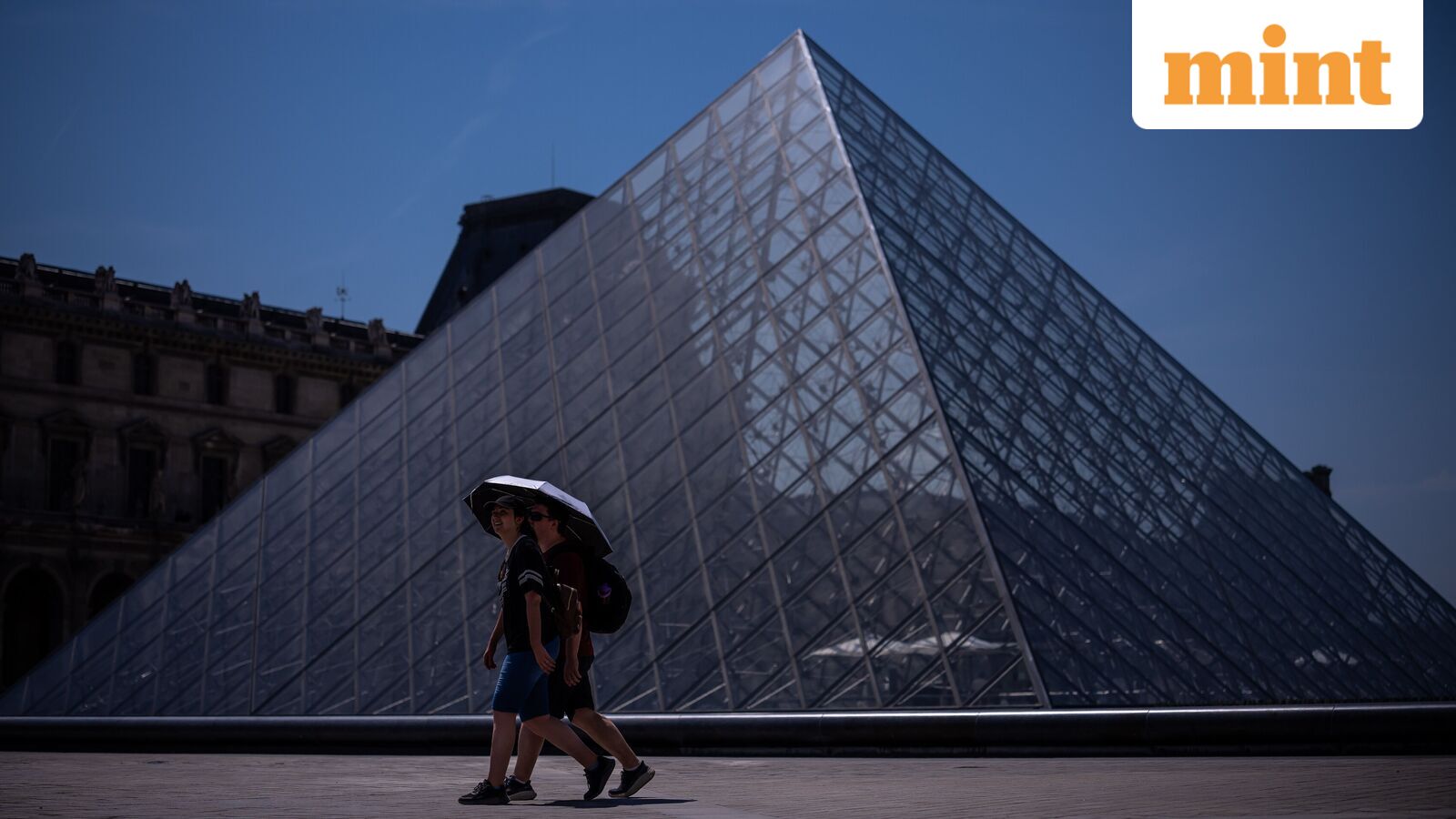
Louvre Heist: Thieves Could Have Stolen More Than They Did
Theindiapostdaily.com – The Louvre heist, a dramatic theft that shook the world of art and culture, revealed the frustration of its mastermind, who believed the burglars had the chance to take even greater treasures. In October, two suspects—Abdoulaye N and Ghelamallah A—were implicated in the €88 million heist, which targeted the iconic Apollo Gallery and led to the resignation of the museum’s director. The operation, described as a calculated risk, saw the removal of eight high-value pieces of jewelry, including a 19th-century gem-encrusted crown once worn by Empress Eugénie, Napoleon III’s wife. Despite their success, the suspects expressed regret over the amount they managed to steal, hinting at a sense of missed opportunity.
Details of the Theft and the Crown’s Loss
Abdoulaye N, a former social media influencer, confessed to the judges that the crown had fallen out of his bag during the escape, an incident that underscored the chaos of the heist. “Yes, it was me; it fell out of my bag,” he stated, though he remained silent about the mastermind’s identity. Ghelamallah A, meanwhile, admitted to knowing the plan but claimed the target had initially been presented as a jewelry store, not the Louvre. This discrepancy raised questions about the extent of their awareness and the scale of the crime they had embarked on.
“What we did wasn’t right—it’s very serious,” N added, reflecting on the gravity of their actions.
The loss of the crown, estimated to be worth millions, became a symbol of the heist’s audacity and the suspects’ unfulfilled ambition. The Louvre, a UNESCO World Heritage site, had faced a rare security breach, and the incident highlighted vulnerabilities in its high-profile defenses.
Planning the Heist: A Video-Based Strategy
The suspects’ plan was meticulously laid out in a video they studied days before the crime, which detailed the layout of the Apollo Gallery and the placement of its prized artifacts. This preparation suggested a level of expertise, as the thieves were tasked with breaking windows and retrieving jewelry from display cases. “We had to take as much jewelry as we could,” N explained, emphasizing the urgency of their operation. “If we took more than three minutes, we knew we’d be reported.”
Despite the precision of their preparation, the Louvre heist was a high-stakes gamble. The pair reportedly acted alone, though their statements hinted at an unnamed client who had orchestrated the plan. This ambiguity left investigators puzzled about the true scope of the operation and whether others were involved. The museum’s security, once thought unbreakable, had been breached in a way that exposed both human error and possible lapses in surveillance.
Financial Motives and Diverging Roles
Abdoulaye N, who had fallen into financial hardship, was promised €15,000 to €20,000 for his role in the theft. He suggested that the payout could have been higher if the stolen items had been more valuable. Ghelamallah A, on the other hand, claimed he was unaware of the full scale of the Louvre heist when he agreed to the plan. “I would never have set foot there if I had known,” he said, indicating a possible miscommunication or lack of clarity about the target.
“The plan was to take jewelry, not steal history,” Ghelamallah A asserted, emphasizing his belief that the heist was less about cultural destruction and more about financial gain.
The contrast between their perspectives highlighted the complexities of the crime. While N focused on the tangible rewards, A seemed more detached, suggesting the operation might have been driven by a combination of greed and pressure from an unknown benefactor.
The Aftermath and Unanswered Questions
Following the Louvre heist, the suspects remained tight-lipped about the jewels’ current location, fearing retaliation from their families or the authorities. Investigators have yet to determine whether the pair acted independently or under someone else’s direction, a mystery that continues to fuel speculation. The museum, now in the process of recovering from the incident, has since implemented stricter security measures to prevent future breaches.
The Louvre heist also sparked a global conversation about the value of art and the risks of high-profile theft. While the stolen jewelry is a significant loss, the broader implications for security and public perception are equally profound. As the case unfolds, the suspects’ accounts offer a glimpse into the minds of those who dared to challenge one of the world’s most iconic institutions.
Legacy of the Louvre Heist
The Louvre heist serves as a reminder of the vulnerabilities even the most secure museums face. With its vast collections and historic significance, the Louvre has always been a target for thieves, but the October incident marked a rare moment of chaos. The suspects’ admission of regret adds a personal dimension to the crime, suggesting that their ambitions were not fully realized. As the investigation continues, the Louvre heist remains a case study in the balance between planning and execution, and the lingering questions about the stolen treasures will keep the story in the public eye for years to come.