Largest tanker operator cautious over US-Iran deal: Strait of Hormuz flow may take ‘weeks’ or ‘a month’ to resume
Largest Tanker Operator Cautious Over US-Iran Deal: Hormuz Reopening May Take Weeks or Months Largest tanker operator cautious over US Iran - The largest
Largest Tanker Operator Cautious Over US-Iran Deal: Hormuz Reopening May Take Weeks or Months
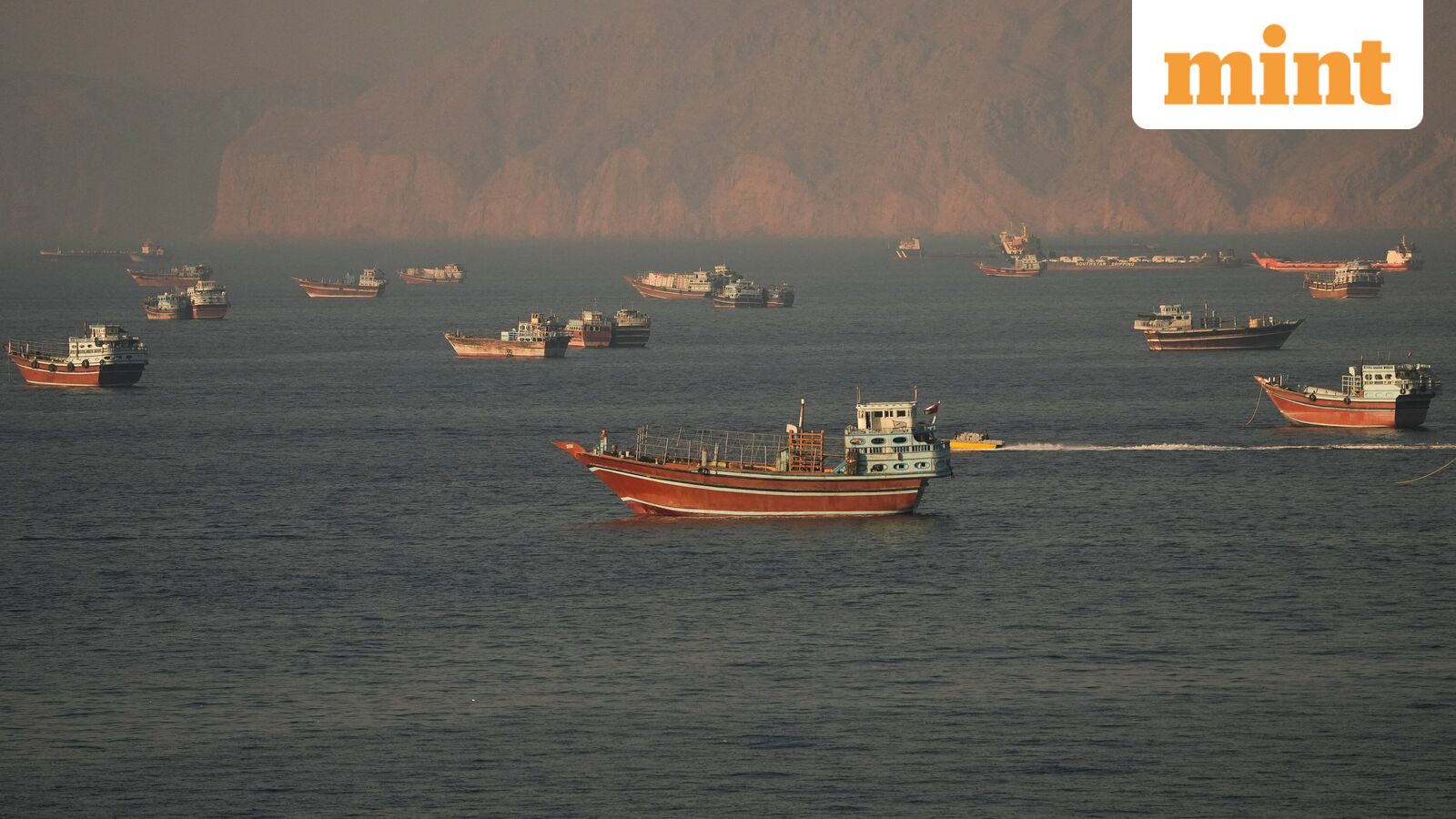
Theindiapostdaily.com – The largest tanker operator, Mitsui OSK Lines, has expressed reservations about the US-Iran deal, warning that the resumption of oil shipments through the Strait of Hormuz could take “weeks” or “a month” to materialize. Jotaro Tamura, the CEO of the Japanese shipping giant, emphasized during an interview with the Financial Times that the agreement must deliver concrete results to restore confidence among industry players. He highlighted that until there is visible progress, operators will likely delay resuming operations through the strategic waterway, which has been a critical chokepoint for global oil trade.
Trump’s Confidence Amid Uncertainty
President Donald Trump’s recent statements on social media have sought to reassure the public about the deal’s effectiveness. Posting on TRUTH Social, he claimed the Strait of Hormuz is now “fully open and safe,” urging shipowners to “start your engines” and “let the oil flow.” Tamura, however, cautioned that such optimism might not align with the practical realities faced by the shipping industry. He pointed out that the strait has already endured multiple failed attempts to reopen since the escalation of tensions in late February, which had disrupted oil exports and raised fears of a potential blockade.
“Ships of the World, start your engines. Let the oil flow!”
Trump’s declaration that the deal is “now complete” and that the US has “fully authorised the toll-free opening” of the strait has been met with mixed reactions. While some analysts view the agreement as a significant diplomatic achievement, industry leaders like Tamura remain skeptical. They argue that the deal’s success hinges on Iran’s compliance with the terms, which includes curbing its nuclear program and allowing unfettered access to oil exports. Without clear evidence of Iran’s commitment, the flow of tanker traffic could remain constrained for an extended period.
Interim Agreement and Ceasefire Extension
The interim agreement, signed between the US and Iran, aims to provide temporary relief to the shipping industry by extending a fragile ceasefire for 60 days. This period is intended to allow for a return to normal operations through the Strait of Hormuz, which had been blocked by Iranian forces since the start of hostilities in February. Reuters reported that the agreement includes provisions for reduced military activity in the region, but it also leaves room for future escalations. The next phase of negotiations, set to take place in Switzerland, will address unresolved issues such as Iran’s nuclear program and sanctions relief, as outlined by Iranian Foreign Minister Abbas Araqchi.
Tamura’s concerns reflect the broader unease within the maritime sector, which has been grappling with the consequences of the ongoing conflict. Shipowners are wary of potential renewed attacks on vessels, which could lead to higher insurance costs and rerouting of traffic. The CEO stressed that operators need tangible assurances—such as a confirmed commitment from Iran to maintain the strait’s accessibility—before they can confidently restart shipments. This hesitation could have a ripple effect on global oil prices and supply chains, particularly for countries reliant on Middle Eastern crude.
Meanwhile, Trump’s administration has positioned the deal as a critical step toward stabilizing the region. During a recent meeting with the Emir of Qatar in France, he claimed the second stage of negotiations would be “easier” than the first, suggesting a more straightforward path to long-term resolution. However, critics argue that the deal’s success depends on Iran’s willingness to negotiate and the US’s ability to enforce compliance. Tamura’s warning serves as a reminder that even with diplomatic agreements, the operational challenges of the strait remain a pressing issue for the global energy market.
As the international community watches closely, the outcome of the US-Iran deal will determine the pace at which oil shipments resume through the Strait of Hormuz. The largest tanker operator’s cautious stance underscores the need for transparency and consistency in the agreement’s implementation. While the deal offers a glimmer of hope, its ability to secure long-term stability will depend on both sides adhering to their commitments and demonstrating a clear path to restoring normalcy in the region’s energy trade.