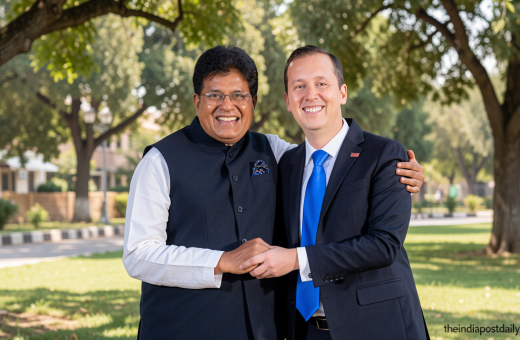
Keir Starmer will resign as UK PM, says Donald Trump: ‘He failed badly’
Keir Starmer Faces Pressure to Resign as UK Prime Minister, Says Donald Trump Theindiapostdaily.com – UK Prime Minister Keir Starmer is under growing scrutiny as U.S. President Donald Trump recently…
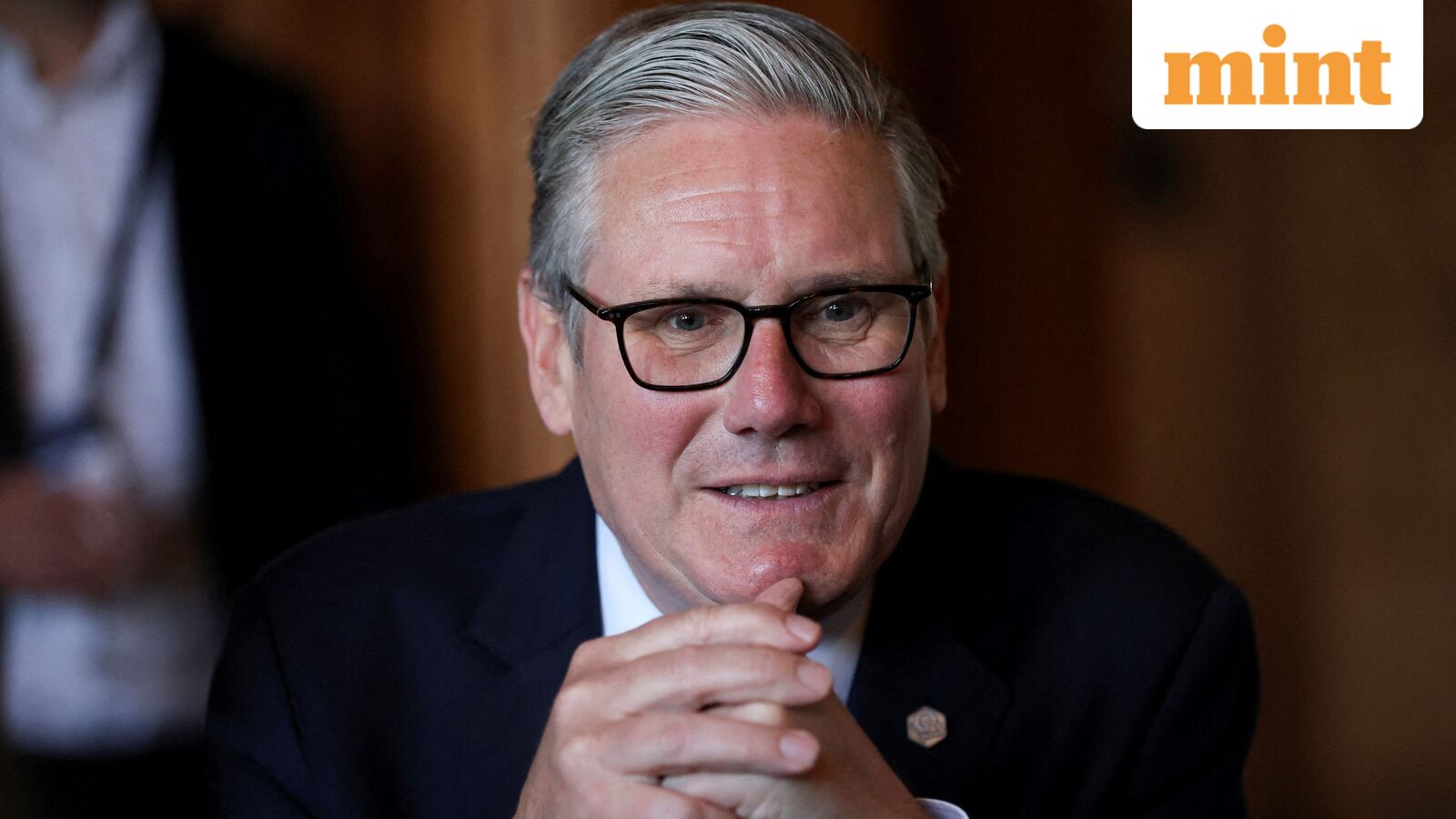
Keir Starmer Faces Pressure to Resign as UK Prime Minister, Says Donald Trump
Theindiapostdaily.com – UK Prime Minister Keir Starmer is under growing scrutiny as U.S. President Donald Trump recently claimed he would resign, criticizing him for “failed badly” on critical policies. The remark, made on TRUTH Social, highlights the international attention on Starmer’s leadership amid domestic challenges. Trump specifically pointed to immigration and fossil fuel policies as areas where Starmer has fallen short, a sentiment echoed by some British political analysts who argue that the prime minister’s approach to border control and energy independence has drawn controversy. While Starmer has not yet confirmed the threat, the statement has intensified speculation about his political future, with key figures in the Labour Party weighing in on the implications.
Trump’s Direct Criticism and Its Political Implications
“He [Starmer] failed badly on two very important subjects—IMMIGRATION AND ENERGY (OPEN NORTH SEA OIL!). I wish him well!”
Trump’s comments, though informal, carry weight in the global political arena. His focus on immigration and energy policy underscores a growing tension between the UK’s progressive agenda and its traditional economic priorities. Starmer, who led Labour to a narrow victory in the 2024 general election, has faced challenges in managing a diverse coalition of voters. Critics argue that his emphasis on green energy initiatives, such as the North Sea oil project, has created uncertainty in the energy sector, while his immigration strategy has been seen as too lenient by some conservative factions. This dual critique has sparked debates about the direction of UK policy and whether Starmer’s leadership is sustainable.
Internal and External Pressures on Starmer’s Leadership
Starmer’s potential resignation has been fueled by a combination of internal and external pressures. Within Labour, some MPs and party members have questioned his ability to unite the party, especially after a recent by-election in Makerfield where his rival Andy Burnham secured a decisive win. This victory not only bolstered Burnham’s political stature but also reignited discussions about Starmer’s leadership. Additionally, Trump’s public criticism has been interpreted as a sign of international support for Burnham, further complicating Starmer’s position. The prime minister’s team has remained defiant, emphasizing his commitment to progressive reforms and his mandate from the electorate.
The UK Prime Minister’s cabinet has also been a focal point of dissent, with some members reportedly distancing themselves from Starmer’s policies. These internal divisions, combined with the mounting external criticism, have created a volatile environment for the government. Analysts suggest that Starmer’s leadership is now at a crossroads, with the potential for a leadership contest if the pressure continues. The Labour Party’s next steps will be crucial in determining whether Starmer remains in office or steps aside for a new leader, a scenario that could reshape the UK’s political landscape.
Political Dynamics and Leadership Contests
As the situation unfolds, the Labour Party is preparing for potential leadership scenarios that could arise in the coming weeks. The focus keyword, “Keir Starmer will resign as UK PM,” has become a central topic in political discourse, with various factions expressing their views on his future. Starmer’s resignation would likely trigger a leadership contest, requiring a new leader to gain support from at least 20% of Labour MPs or other party organizations. This process would involve key candidates such as Wes Streeting, the former health secretary, and Andy Burnham, whose recent by-election victory has positioned him as a strong contender.
The implications of a potential leadership change are significant. Starmer’s resignation could lead to a transition period where he remains as prime minister until a successor is confirmed, or it might result in an immediate handover of power. Both possibilities depend on the political climate and the urgency of the situation. Meanwhile, Burnham’s strategy to assemble his own cabinet has been seen as a calculated move to strengthen his bid for leadership. The Labour Party’s ability to maintain unity during this transition will be vital to the stability of the UK government.
Public opinion in the UK is also a key factor in Starmer’s political fate. While some supporters remain loyal to his vision of progressive governance, others are growing frustrated with perceived inefficiencies and policy inconsistencies. Trump’s comments, though from an external perspective, have amplified these concerns, with British media outlets highlighting the global influence of his critique. The prime minister’s response to the criticism will be critical in shaping his legacy. If he chooses to stay, he may need to address the core issues that have been raised, such as border control and energy policy, to retain his position.
As the pressure mounts, the UK Prime Minister is now facing a pivotal moment in his tenure. Whether he will resign or continue leading the country remains uncertain, but the debate over his leadership is likely to intensify. The political landscape is shifting, with internal dissent and external criticism converging to challenge Starmer’s position. The outcome of this situation will not only determine the next leader of the Labour Party but also set the tone for the UK’s future policies and international relations. For now, the focus keyword, “Keir Starmer will resign as UK PM,” continues to dominate headlines as the nation watches the unfolding drama.