Israel election results: How is the prime minister chosen, and why doesn’t the largest party always win?
Israel election results do not automatically decide who becomes prime minister. While the party with the most Knesset seats may claim an election-night
Israel Election Results: How the Prime Minister Is Chosen
Theindiapostdaily.com – Israel election results do not automatically decide who becomes prime minister. While the party with the most Knesset seats may claim an election-night victory, the decisive question is whether its leader can build a coalition supported by a majority of lawmakers.
The latest parliamentary vote drew turnout of 77.7%, the highest since 1999 and more than seven percentage points above the 2022 election. The contest was shaped by war, security concerns and a bitter argument over military service exemptions for ultra-Orthodox Jewish men.
For many voters, the election was also a judgment on leadership after the Hamas-led attack of 7 October 2023. Hamas militants killed 1,200 people in Israel and took more than 250 hostages in what is widely regarded as the country’s deadliest day.
Israel’s military response caused tens of thousands of Palestinian deaths, widespread destruction in Gaza and the displacement of most of the territory’s population of about 2 million. The war has remained at the centre of political debate and public concern over the country’s security institutions.
How Israel’s Electoral System Works
Israel elects its parliament through nationwide proportional representation. Rather than voting for a local candidate, voters choose a party. The 120 Knesset seats are divided among parties according to their share of the national vote.
A party must receive at least 3.5% of votes cast to enter the Knesset, a threshold broadly equal to four seats. Parties below that level receive no representation, while successful parties fill seats from their pre-arranged candidate lists.
This system gives smaller political movements a meaningful chance of representation, but it also means coalition governments are almost always necessary. A government needs the backing of at least 61 members in the 120-seat Knesset, and no single party has ever secured that number alone in an election.
Why the Largest Party Does Not Always Win Power
After Israel election results are final, the president consults the parties elected to the Knesset. The president then gives one lawmaker a mandate to try to form a government. That person usually has 28 days to negotiate coalition agreements, with a possible extension of up to 14 days.
The mandate often goes to the leader of the largest party, but it is not guaranteed. The president may instead choose a politician who appears more likely to secure support from enough parties to command a parliamentary majority.
That is why the party with the most seats can still fail to produce the prime minister. A smaller party may lead a broader alliance, while the largest party may be unable to persuade potential partners to join its government.
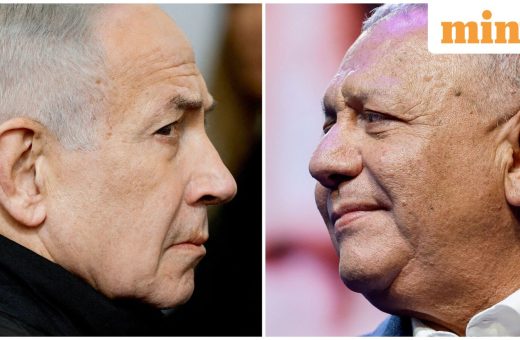
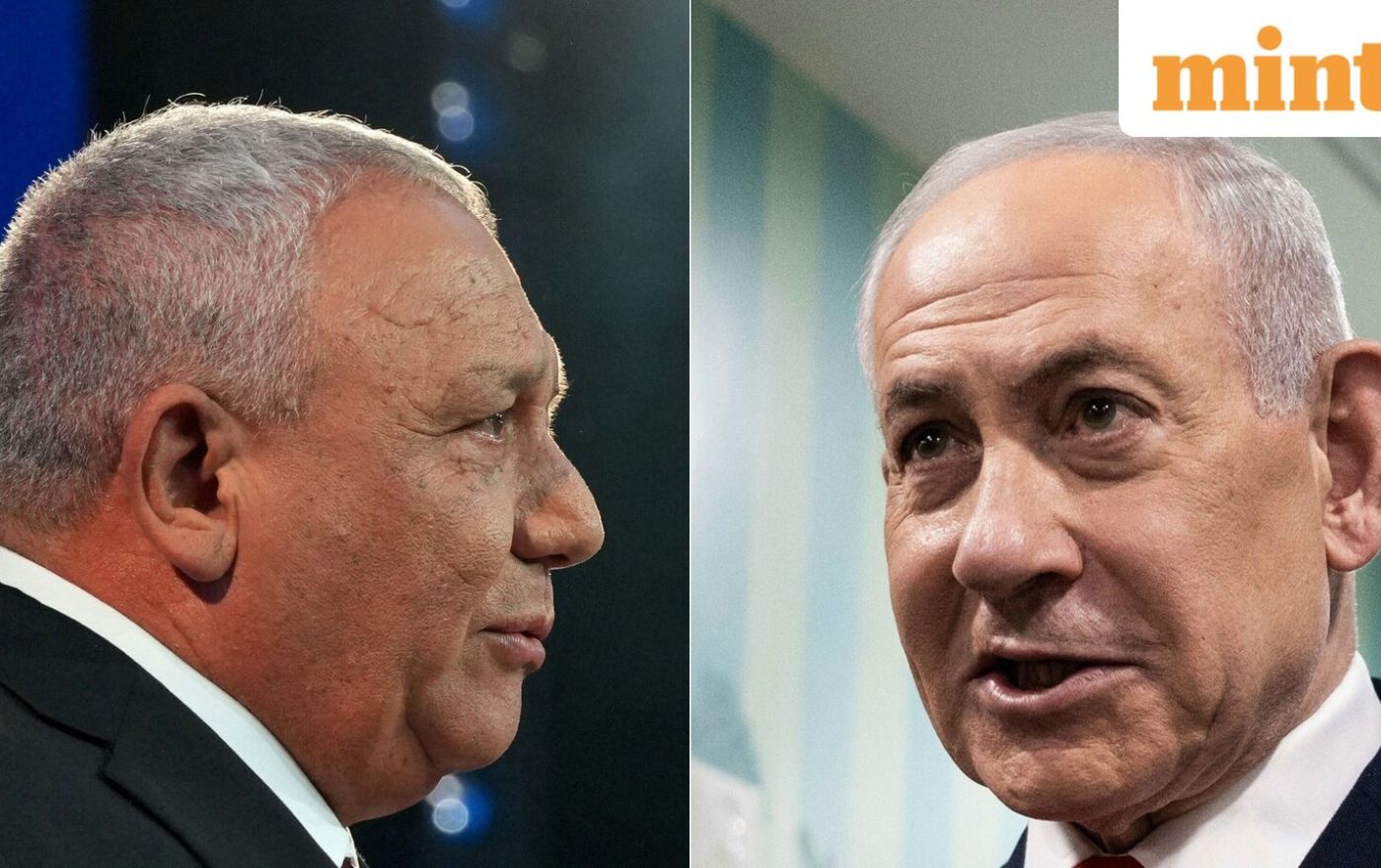
Benjamin Netanyahu and his rivals may therefore face complex negotiations after the vote. Policy demands, cabinet positions and disagreements over the war, security and military service can all determine whether a proposed coalition succeeds.
Military Service and Coalition Bargaining
One major issue in the Israel election results is the long-running debate over military exemptions for ultra-Orthodox men. Most Jewish Israeli men and women are required to serve, making the unequal distribution of military obligations a politically sensitive issue.
About 13,000 ultra-Orthodox men reach enlistment age each year, yet fewer than one in 10 join the military. With Israel facing a shortage of soldiers, pressure to change the system has increased.
Ultra-Orthodox parties have often been important coalition partners. Their influence means that military-service policy can become a key demand during negotiations to form a government.
FAQ: Understanding Israel Election Results
How many seats are needed to form a government in Israel?
A prospective government needs support from at least 61 members of the 120-seat Knesset.
Can the largest party fail to form the government?
Yes. The largest party may not be able to assemble a coalition majority. Another party leader can become prime minister if they secure broader support in the Knesset.
Who chooses the person asked to form a government?
Israel’s president selects a Knesset member after consulting the parties elected to parliament. The choice is based on who appears most likely to form a viable governing coalition.