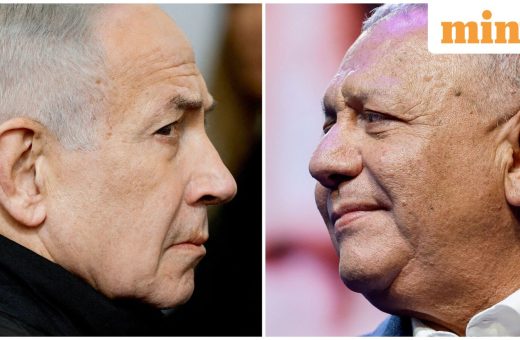
Israel Election Exit Polls: Netanyahu ahead, but can he secure majority? What we know about results, largest party
Israel Election Exit Polls showed Benjamin Netanyahu’s political bloc ahead in some projections, but none offered a clear path to a majority in the 120-seat
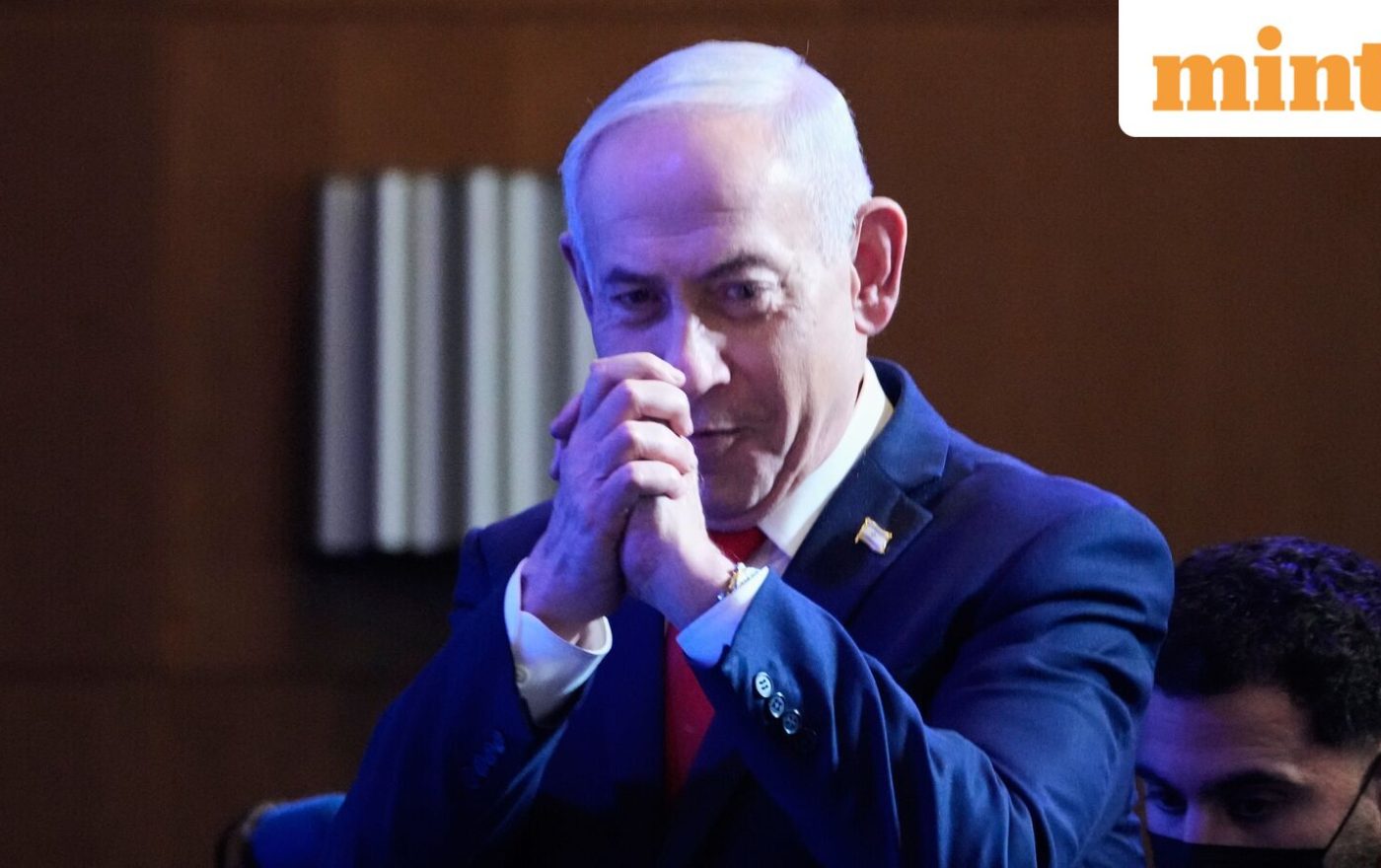
Israel Election Exit Polls: Netanyahu Leads, Majority Unclear
Theindiapostdaily.com – Israel Election Exit Polls showed Benjamin Netanyahu’s political bloc ahead in some projections, but none offered a clear path to a majority in the 120-seat Knesset. The estimates pointed instead to complex coalition negotiations and the possibility of continued political deadlock.
A governing coalition needs at least 62 Knesset seats. While Netanyahu’s allies led in certain updated surveys, their projected totals remained below that threshold, leaving smaller parties and predominantly Arab parties with potentially decisive influence.
Updated Surveys Offer Mixed Results
One revised projection put the pro-Netanyahu bloc at 52 seats, compared with 49 for the anti-Netanyahu camp. Its earlier estimate had placed Netanyahu’s allies on 50 seats and the opposition on 52.
In that survey, the Joint List and Ra’am were projected to win the remaining 19 seats. The updated party figures put Yashar at 21 seats, Likud at 27, Yisrael Beytenu at seven, the Joint List at 12, Shas at seven and The Democrats at nine.
Another exit poll showed a 51-51 tie between Netanyahu’s bloc and the opposition. In that projection, Likud rose to 27 seats, while The Democrats fell to nine and Otzma Yehudit was projected to receive six.
Other estimates were somewhat more favorable to Netanyahu. One gave his camp 55 seats against 49 for the opposition led by Gadi Eisenkot, with Arab parties on 16. Another projected 60 seats for Netanyahu’s bloc, 43 for the opposition and 17 for Arab parties—still short of the 62 seats needed for a majority.
Likud Seen as the Largest Party
The Israel Election Exit Polls projected Likud as the largest individual party, with 27 seats in one survey. Yashar followed with 21 seats, while B’Yachad and the Joint List were each estimated at 12.
Winning the most seats does not automatically guarantee the right to govern. Israel’s parliamentary system depends on coalition agreements, and the key question is whether a prospective prime minister can bring together enough partners to command a Knesset majority.
The results suggested a fragmented parliament in which smaller factions could shape the next government. The projected strength of Arab parties made them especially important to the final political arithmetic.
Turnout Reaches Its Highest Level Since 1999
Near-final turnout in the October 27 election reached 77.7%, the highest level since 1999. It was Israel’s first national election since the Hamas attack that led to the Gaza war on October 2, 2023.
The campaign was dominated by debate over security responsibility, national leadership and the independence of democratic institutions. Netanyahu, a central figure in Israeli politics for 19 years, faced a major challenge from former Israel Defense Forces chief of staff Gadi Eisenkot and Yashar.
Eisenkot’s party had led several opinion polls before election day. After the exit-poll projections emerged, he called on Netanyahu to leave public life and argued that another election would be a mistake.
“I will do everything in my power to form a Zionist government that serves all.”
Eisenkot said he wanted a government that backed universal military service, sought to dismantle Hamas and represented all parts of Israeli society.
What Happens After the Exit Polls?
Exit polls are estimates rather than official results, so the final seat totals may change as votes are counted. Even after official results are confirmed, parties may need lengthy negotiations before a governing coalition can be formed.
Israel Election Exit Polls FAQ
Do exit polls decide who becomes prime minister? No. They provide an early estimate of party support. Coalition talks after official results determine who can form a government.
How many seats are needed to govern Israel? A coalition needs at least 62 seats in the 120-member Knesset.
Why do smaller parties matter? When the leading blocs fall short of a majority, smaller parties can become essential partners in coalition negotiations.
Related Reading
Frequently Asked Questions
What is Israel Election Exit Polls?
Israel Election Exit Polls is the main topic of this guide. The article explains the context, practical details, and next steps readers should understand.
Why does Israel Election Exit Polls matter?
Israel Election Exit Polls matters because readers are looking for a useful answer, not just a short summary. Good content should match search intent and help them decide what to do next.