Iran’s Aq Tekeh Khan railway bridge: US targeting Iran’s links to Russia, China? Here’s why it holds significance
The United States struck Iran's Aq Tekeh Khan railway bridge in northern Iran, aiming to disrupt the
Iran’s Aq Tekeh Khan Railway Bridge: U.S. Strike Targets Russia-China Ties?
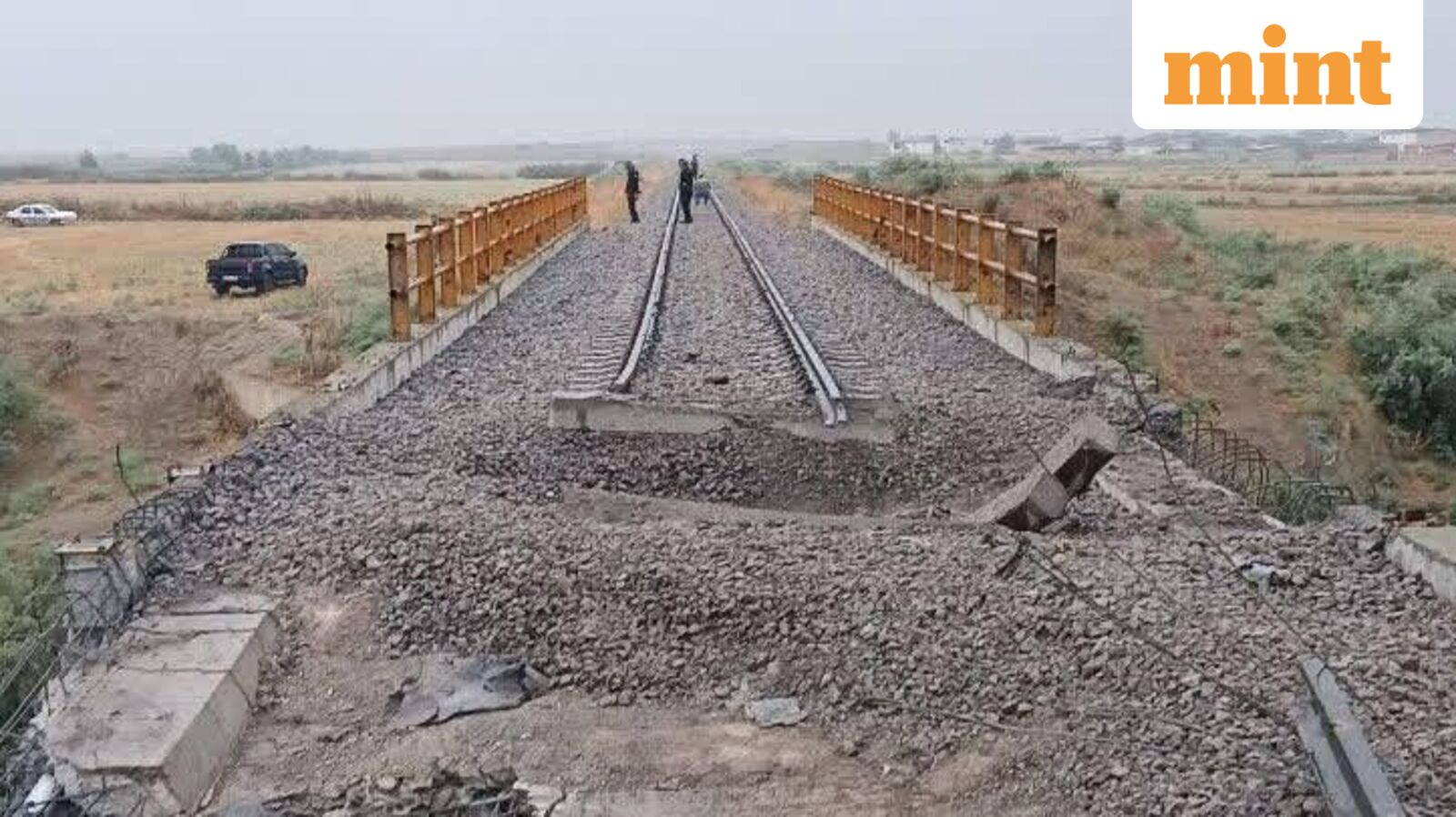
Theindiapostdaily.com – The United States struck Iran’s Aq Tekeh Khan railway bridge in northern Iran, aiming to disrupt the country’s critical links with Russia and China. This targeted attack, reported early Thursday, damaged the Gorgan–Incheh Borun rail line, a key segment of Iran’s infrastructure. Iranian state media confirmed the strike, while the IRGC’s Neynava Corps stated the bridge was hit by a U.S. cruise missile, though Washington has yet to officially verify the event. The operation underscores the U.S. strategy to weaken Iran’s strategic partnerships and its role in regional logistics.
Strategic Importance of the Aq Tekeh Khan Bridge
Located in Golestan province, the Aq Tekeh Khan Bridge is a linchpin in Iran’s rail network, enabling seamless transit between the country and Central Asia. As part of the North-South Rail Corridor, it connects Iran to Kazakhstan and Turkmenistan, forming a vital artery for trade with Russia and China. This corridor, launched in 2014, serves as an alternative to maritime routes, particularly the Strait of Hormuz, which has been a focal point of geopolitical tensions. By linking Iran to Eurasian markets, the bridge plays a pivotal role in the nation’s economic resilience and its ability to bypass sanctions.
“The U.S. attack on the Aq Tekeh Khan Bridge is not just a military move but a strategic attempt to disrupt Iran’s supply chains and alliances with global powers.”
Geopolitical and Economic Implications
The Aq Tekeh Khan railway bridge is more than a transport link—it is a geopolitical asset that supports Iran’s growing trade relations with China and Russia. Analysts note that the corridor facilitates the movement of goods such as oil, gas, and manufactured products, enhancing Iran’s economic ties with Eastern Europe and Asia. With China’s Belt and Road Initiative expanding into Central Asia, the bridge represents a potential gateway for increased economic collaboration. However, its destruction could strain Iran’s ability to maintain these connections, particularly as it faces ongoing U.S. sanctions and tensions with Western allies.
Additionally, the bridge’s location grants Iran military advantages, allowing it to reinforce its presence in the Caspian Sea region and support operations in the Middle East. Its strategic value also extends to regional stability, as it serves as a conduit for energy and resource trade, bolstering Iran’s role in the global supply chain. The U.S. strike has sparked concerns among Iran’s allies, with Russia and China reportedly reviewing their commitments to the country’s infrastructure and security.
“The Aq Tekeh Khan Bridge exemplifies the delicate balance of power in the region, where control over transit routes can determine economic and military influence.”
Historical Context and Regional Significance
Iran’s Aq Tekeh Khan railway bridge has been a symbol of the country’s efforts to diversify its trade routes since the 2014 launch of the North-South Rail Corridor. This initiative, backed by Russia and China, was designed to reduce Iran’s dependence on the Persian Gulf and create a more stable overland trade network. The bridge’s destruction not only affects immediate logistical operations but also sends a message about the U.S. commitment to targeting Iran’s infrastructure. Analysts argue that this move could shift regional dynamics, forcing Iran to rely more heavily on its remaining allies and accelerating the development of alternative trade routes.
Experts suggest that the U.S. attack may have broader implications beyond Iran. By severing a key transit link, the strike could impact the flow of goods between Central Asia and Europe, potentially disrupting trade agreements and economic partnerships. The bridge’s strategic position also highlights the U.S. focus on countering Iran’s growing influence in the Caspian and Central Asian regions, where it has been strengthening its geopolitical footprint. As Iran works to rebuild its infrastructure, the Aq Tekeh Khan railway bridge remains a central point of contention.
“Iran’s Aq Tekeh Khan Bridge is a critical node in the country’s strategy to connect with Russia and China, making it a prime target for U.S. intervention.”