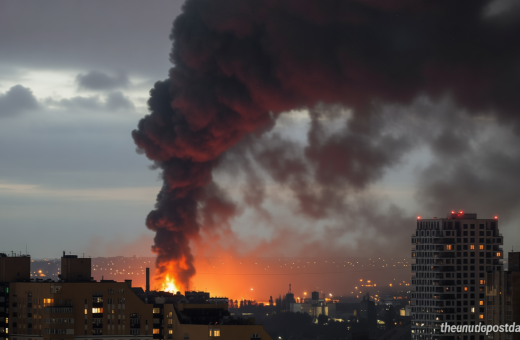
Iranian media says tanker exploded in Strait of Hormuz after mine strike; Oman talks on shipping route move forward
Iranian state media announced on Sunday, July 26, that an oil tanker suffered a major explosion following what witnesses described as a collision with a naval
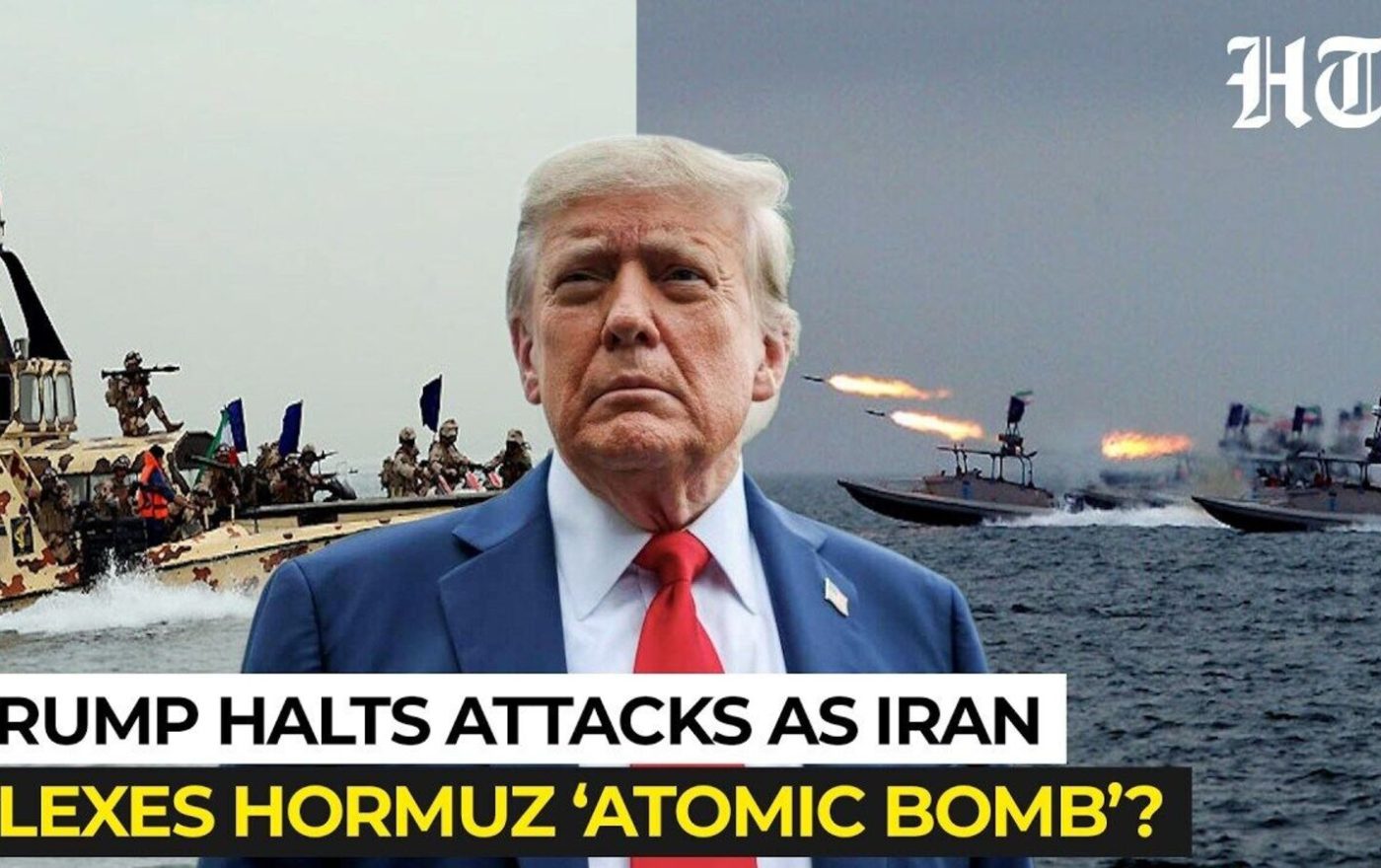
Maritime Tensions Rise as Tanker Explodes in Hormuz Amid Diplomatic Progress
Theindiapostdaily.com – Iranian state media announced on Sunday, July 26, that an oil tanker suffered a major explosion following what witnesses described as a collision with a naval mine within the Strait of Hormuz. This maritime incident coincides with advancing diplomatic negotiations between Tehran and Muscat regarding the governance of this vital waterway.
According to Iran’s semi-official Tasnim News Agency, the affected vessel had strayed from an officially designated shipping corridor before making contact with the underwater explosive device. The news organization characterized the ship as a “rogue” tanker, noting that Iranian officials had previously cautioned that any craft leaving the approved navigation path would “bear the consequences themselves.” As of now, Iranian authorities have not released a formal declaration concerning the reported event.
Oman-Iran Negotiations Advance
The explosion report emerged alongside announcements that Iran has achieved meaningful progress in discussions with its neighbor Oman concerning the management of the Strait of Hormuz, recognized globally as one of the most critical maritime arteries for petroleum and natural gas transportation.
Esmaeil Baqaei, spokesperson for Iran’s Foreign Ministry, revealed that deputy foreign ministers from both nations conducted multiple rounds of talks in Tehran throughout Friday and Saturday. He explained that these deliberations centered on creating “common principles and operational mechanisms” designed to guarantee secure commercial vessel passage through the strait while honoring the sovereign entitlements of each participating nation.
Baqaei characterized the negotiations as productive, confirming that technical and political consultations between the two governments continue. He emphasized that meaningful advancement had been realized during these discussions.
Regional Conflict Dynamics Shift
The Strait of Hormuz continues to serve as a primary flashpoint in the ongoing confrontation between Tehran and Washington, functioning as an essential conduit for worldwide energy distribution. During the previous month, both Iran and Oman reached an agreement to explore the introduction of transit fees for vessels navigating the strait—a concept that has drawn opposition from the United States.
In a significant development, the United States suspended its aerial bombardment campaign against Iran for a consecutive second night following thirteen straight nights of strikes. US Ambassador to the United Nations Mike Waltz indicated that President Donald Trump is allowing diplomatic channels additional breathing room.
“He’s giving talks some space,” Waltz told Fox News, declining to elaborate on specific negotiation details.
The Pentagon similarly ceased bombing activities over the weekend, with no new Iranian military actions reported against adjacent nations. Reports suggest Trump has temporarily reconsidered plans to broaden military operations, citing worries about potential conflict escalation, depletion of American weapons reserves, energy market volatility, and regional stability concerns.
Houthi Attacks Expand Regional Instability
While direct US-Iran hostilities diminished over the weekend, broader regional tensions intensified. Iran-supported Houthi fighters in Yemen asserted responsibility for coordinated missile and drone assaults targeting facilities connected to Saudi Aramco in the coastal cities of Jizan and Yanbu along the Red Sea.
Saudi officials initially issued emergency alerts before subsequently declaring that the immediate threat had subsided. Following this assessment, a Saudi-led coalition launched counterstrikes against Houthi military positions. This escalation poses particular risks to Saudi Arabia’s alternative petroleum export corridors through the Red Sea, especially given the severe disruptions currently affecting shipping through the Strait of Hormuz.
Ukraine-Iran Dispute Emerges
Separately, Iran has leveled accusations against Ukraine for allegedly attacking one of its commercial vessels within the Caspian Sea. According to Iran’s foreign ministry, the strike triggered an onboard explosion that resulted in one sailor’s death and another’s injury.
This accusation followed Ukrainian President Volodymyr Zelensky’s announcement that Ukrainian military forces had executed long-range strikes against ships allegedly engaged in transporting military supplies connected to both Iran and Russia. In response, Iran summoned Ukraine’s chargé d’affaires in Tehran and denounced the incident as a “hostile and criminal act.”
Foreign Minister Abbas Araghchi additionally called upon the European Union and the United Nations Security Council to deliver a robust response to the maritime confrontation.
Global Energy Markets React
The Strait of Hormuz maintains its position as the world’s premier oil transit chokepoint, handling approximately one-fifth of all global crude oil shipments. Concurrently, the renewed Houthi assaults on Saudi petroleum infrastructure have intensified apprehensions regarding potential disruptions along the Red Sea shipping corridor, another essential energy pathway.
Brent crude prices have experienced a sharp upward trajectory over the preceding fortnight, driven by mounting fears that sustained instability across both the Gulf and Red Sea regions could further compromise global oil supply chains.