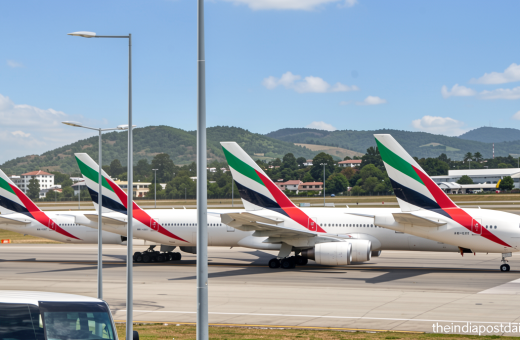
Iran war LIVE: US forces expand strikes on Iran as dispute over control of Hormuz continues
Iran War LIVE: US Expands Military Strikes on Iran Amid Hormuz Dispute Iran war LIVE updates reveal that U.S.
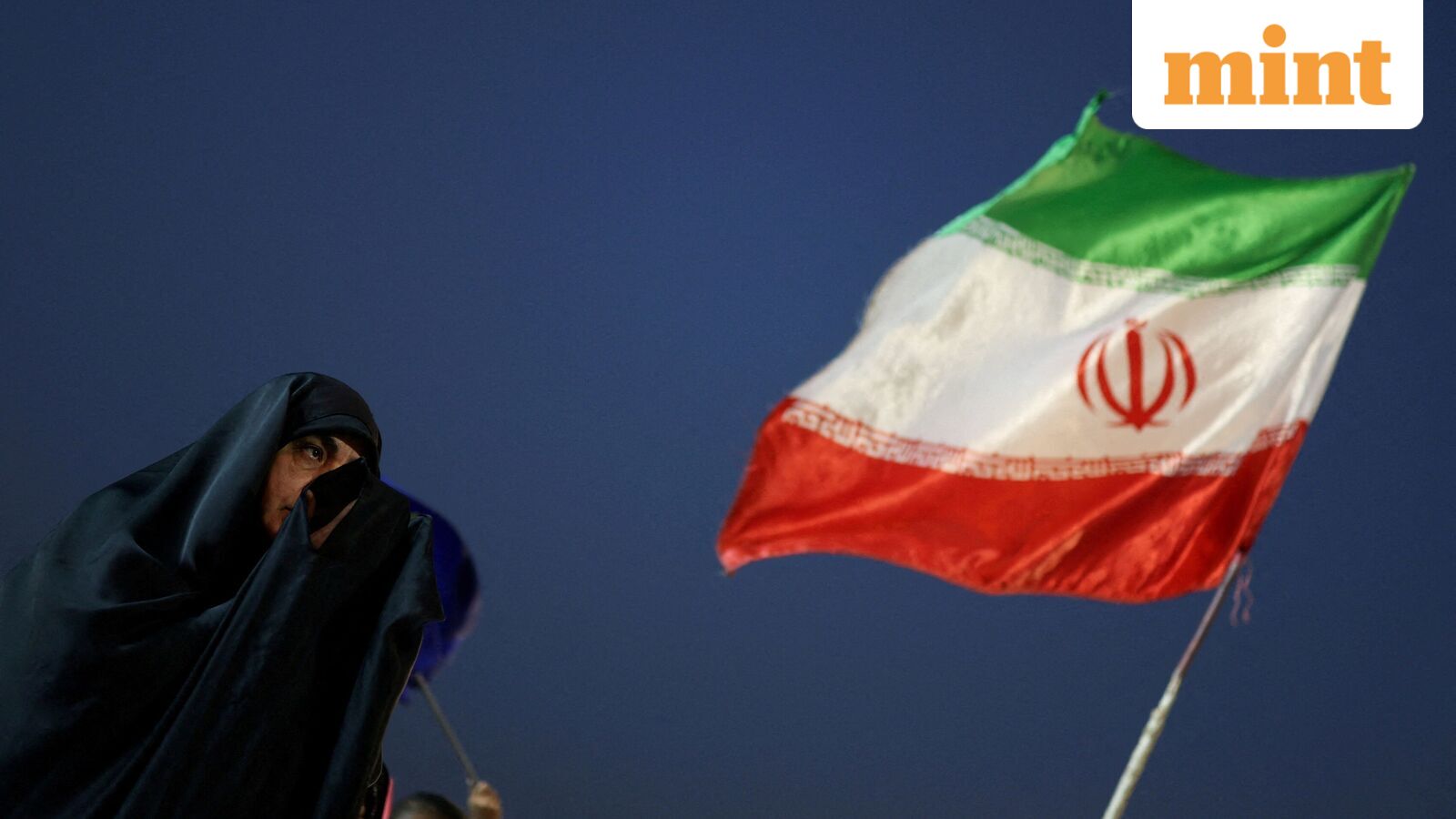
Iran War LIVE: US Expands Military Strikes on Iran Amid Hormuz Dispute
Theindiapostdaily.com – Iran war LIVE updates reveal that U.S. forces have escalated their military operations against Iranian targets, intensifying attacks across multiple regions in southern and western Iran. Reports from Eskan News indicate that strikes occurred in areas such as Qeshm, Sirik, Bandar Abbas, Jask, Bushehr, Khondab, Bandar Mahshahr, Behbahan, Andimeshk, Dezful, Ahvaz, Abadan, and Khorramshahr, signaling a broader campaign to disrupt Iran’s strategic capabilities. The U.S. Central Command confirmed the attacks began at 5 pm ET on Sunday, targeting Iran’s military infrastructure to “deter its ability to threaten civilian mariners and commercial vessels traversing the Strait of Hormuz,” a critical chokepoint for global oil shipments. These strikes come amid ongoing tensions over control of the strait, with both sides accusing each other of escalating hostilities.
Strategic Context of the Hormuz Dispute
The Strait of Hormuz, a narrow waterway through which nearly 20% of the world’s oil flows, has been a flashpoint for conflict between Iran and the United States. The latest strikes by U.S. forces are part of a pattern of retaliatory actions following Iran’s missile strikes on a Cyprus-flagged container ship in early May. This event sparked a chain reaction, with the U.S. launching its fourth attack on Iran within a week to address perceived threats to maritime security. The Iranian Revolutionary Guard Corps has long been accused of targeting commercial vessels, and the U.S. military’s response underscores its commitment to safeguarding international trade routes. Iran war LIVE coverage highlights the strategic significance of this region, where control over the strait is vital for both economic and military dominance in the Gulf.
“The U.S. is systematically undermining Iran’s defensive posture, escalating the conflict beyond its initial scope,” said a U.S. defense official, speaking to the urgency of securing the Strait of Hormuz. This sentiment aligns with broader concerns about Iran’s potential to block the strait, a move that could cripple global energy markets and trigger a wider regional crisis. Analysts emphasize that the Hormuz dispute is not merely a military confrontation but a geopolitical struggle over influence and resource control.
International Reactions and Strategic Implications
As the Iran war LIVE situation unfolds, international allies have expressed mixed reactions. The United States has framed its attacks as necessary to prevent Iran from destabilizing the region, while countries like Kuwait, Jordan, and Qatar have suffered minor damage from Iranian drone and missile strikes. These incidents have raised fears of a larger conflict involving U.S. forces and Iran’s proxies. The U.S. military has deployed advanced weaponry, including precision-guided missiles, to minimize civilian casualties, but the strikes have nonetheless intensified the crisis. In response, Iran has accused the U.S. of breaking the terms of a ceasefire agreement, calling the attacks “war crimes” that jeopardize regional stability. The ongoing cycle of strikes highlights the fragility of diplomatic efforts and the potential for miscalculation in this high-stakes environment.
Iran war LIVE updates also reveal that the attacks have targeted both military and civilian infrastructure, with reports of damaged facilities in Bandar Mahshahr and Khondab. The U.S. has emphasized that its actions are a calculated response to Iran’s aggression, aiming to weaken its ability to project power in the Gulf. Meanwhile, Iran has warned of further escalation, vowing to retaliate against U.S. forces in the region. This back-and-forth has raised concerns about the possibility of a prolonged conflict, with the Strait of Hormuz remaining a central battleground. Analysts suggest that the situation could reach a tipping point if either side perceives the other as unwilling to de-escalate, potentially drawing in other regional actors and complicating global efforts to maintain peace.
“The Iran war LIVE timeline shows a clear pattern of reciprocal attacks, each side responding to the previous with greater force,” noted a Middle East security expert in an interview with Al Jazeera. This dynamic has created a volatile situation, with the U.S. and Iran both using the strait as a symbol of their broader rivalry. The attacks have not only heightened military tensions but also disrupted global energy markets, leading to fluctuations in oil prices and supply chain uncertainties. As the conflict continues, the international community is closely monitoring developments, with the potential for further diplomatic and military interventions in the coming days.
With the Iran war LIVE intensifying, the situation in the Gulf has entered a new phase of heightened risk. The U.S. has deployed additional forces to the region, including naval and air assets, to ensure rapid response capabilities. Meanwhile, Iran has mobilized its military to defend key strategic positions, particularly around the Strait of Hormuz. The combination of these efforts has created a precarious balance of power, with both sides preparing for the possibility of larger-scale confrontations. As the conflict evolves, the focus remains on the strait, where control could determine the outcome of the broader regional struggle. Continuous updates will be provided to track the latest developments in this unfolding crisis.