Iran US War News LIVE: US attacks Iran, it responds with targeting the Gulf
nal Retaliation Iran US War News LIVE has become a focal point as the United States intensifies its military actions against Iran, marking a critical turning
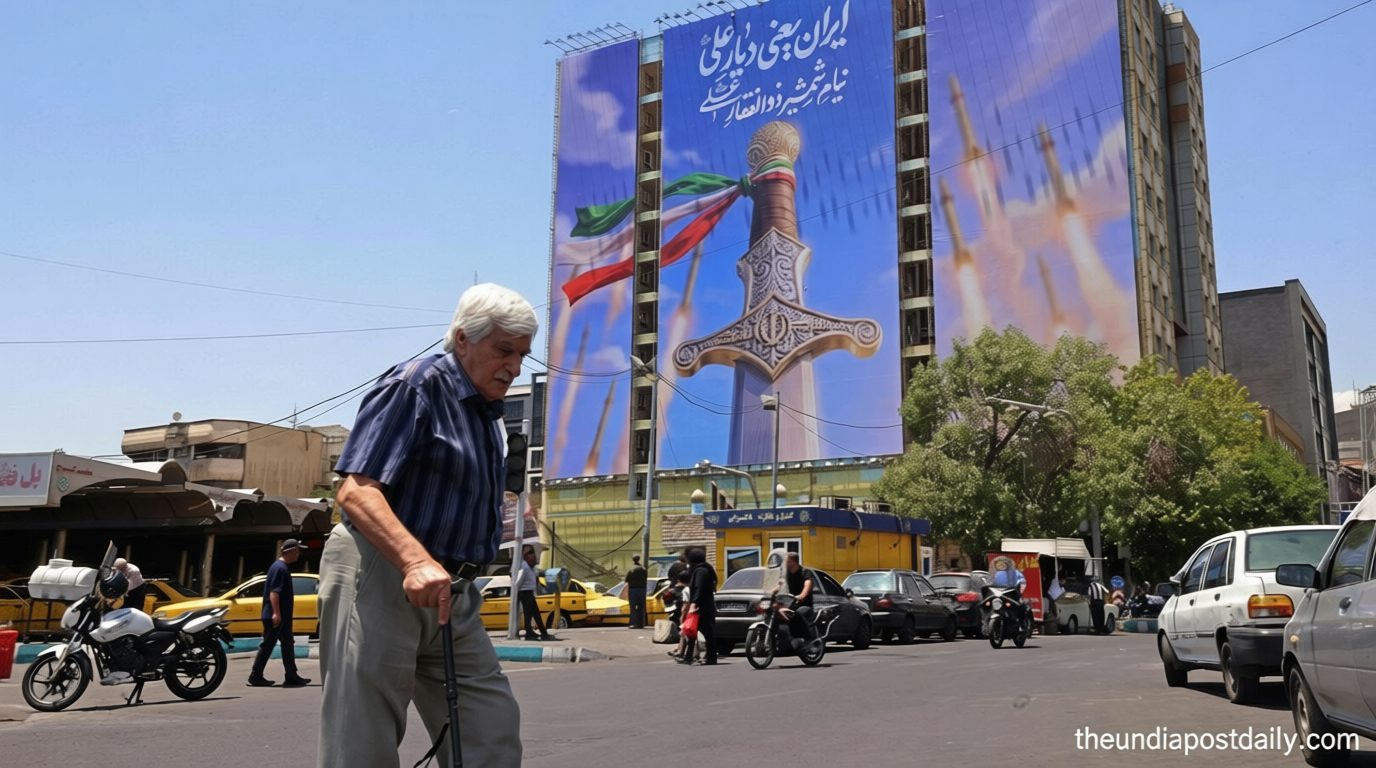
Iran US War News LIVE: Escalation of Airstrikes and Regional Retaliation
Theindiapostdaily.com – Iran US War News LIVE has become a focal point as the United States intensifies its military actions against Iran, marking a critical turning point in the ongoing geopolitical standoff. The airstrikes, launched by the U.S. military, have targeted key infrastructure and military installations across Iran, escalating tensions in the region. President Donald Trump, who has been a central figure in this conflict, framed the strikes as a necessary response to Iran’s aggressive posture and its refusal to compromise on key terms of the peace talks. The incident has drawn global attention, with analysts warning of the potential for a full-scale regional conflict if diplomatic efforts fail to prevent further escalation.
Strategic Airstrikes and Their Impact on Iran’s Infrastructure
The U.S. strikes focused on strategic locations such as the Strait of Hormuz, Qeshm, Kargan, and Sirik, areas critical to Iran’s energy and maritime operations. These targets, located in southern Iran, are vital for controlling oil exports and maintaining regional influence. Reports indicate that the attacks disrupted Iran’s ability to monitor and control traffic through the Strait, a lifeline for global oil shipments. While the exact number of sites hit remains unclear, the strikes have been described as “precision” and “targeted,” aiming to cripple Iran’s military capabilities without causing widespread civilian casualties. The effectiveness of these strikes has raised questions about the U.S. military’s strategy and its ability to project power in the region.
“We hit them hard yesterday. We’re going to hit them again hard today. We were really close to a deal, but they keep tapping us along.” – President Donald Trump
Defense Secretary Pete Hegseth confirmed that the strikes might continue into a third night, emphasizing their strength and clarity. This statement reflects the U.S. administration’s determination to assert dominance in the region and signal a willingness to take decisive action. Meanwhile, Iran has responded by vowing to retaliate against any U.S. assets in the Gulf, with leaders warning of coordinated attacks on oil tankers and military vessels. The country’s military has also deployed additional forces to the Strait of Hormuz, highlighting its readiness to escalate tensions further.
Regional Players and the Fallout of U.S.-Iran Conflict
As the conflict intensifies, other Gulf nations are closely monitoring the situation, with some expressing concern over the potential for a wider war. Israel, a long-standing ally of the United States, has reiterated its support for the strikes, viewing them as a way to counter Iran’s nuclear ambitions and regional aggression. Meanwhile, countries like Kuwait, Bahrain, and the UAE have called for calm, urging both sides to avoid actions that could destabilize the region. These nations, which rely heavily on the free flow of oil through the Strait of Hormuz, are particularly vulnerable to disruptions caused by the escalating hostilities.
The United Arab Emirates (UAE), a key player in the Gulf, has emphasized its role in maintaining stability and preventing a full-scale conflict. Dubai, the UAE’s economic hub, has seen increased activity as diplomats and military officials prepare for potential contingencies. In contrast, Iran has leveraged its alliances with groups like Hezbollah and the Houthis to project power, with reports indicating that these networks are being mobilized for coordinated strikes against U.S. interests in the region. The involvement of such groups adds another layer of complexity to the situation, as their actions could lead to unintended consequences in neighboring countries.
“The United States has demonstrated its resolve to confront Iran’s aggression, but the consequences of these actions could ripple across the entire Middle East.” – Regional analyst Dr. Sarah Al-Maktoum
Global Reactions and the Path Forward
International reactions to the Iran US War News LIVE developments have been mixed. While some countries, including Saudi Arabia and the United Kingdom, have endorsed the U.S. strikes as a necessary measure to protect regional security, others, such as Russia and China, have called for restraint. These powers, which have invested heavily in Iran’s economy and energy sector, fear that an all-out war could disrupt global markets and lead to economic instability. The United Nations has also urged both sides to engage in dialogue, warning that continued military actions could threaten the fragile balance of power in the region.
The potential for a broader conflict has prompted discussions about the role of international alliances and military coalitions. The U.S. has been working closely with its NATO allies and regional partners to coordinate responses to Iran’s threats. However, the lack of progress in peace talks has left many countries uncertain about the future of the conflict. Analysts suggest that the U.S. may use the airstrikes as a pretext to expand its military presence in the Gulf, potentially leading to the establishment of new bases or the reinforcement of existing ones. Such moves could further strain relations with Iran and embolden its regional adversaries.
“The Iran US War News LIVE situation underscores the importance of diplomacy in preventing escalation. Without a clear path to resolution, the risk of prolonged conflict remains high.” – Former diplomat Michael K. Stone
As the situation evolves, the international community continues to watch for signs of de-escalation or further aggression. The strategic significance of the Strait of Hormuz, combined with the involvement of key players like Israel and the UAE, ensures that this conflict will have far-reaching implications. Whether the U.S. and Iran can find common ground or if the situation spirals into a larger regional war remains to be seen. For now, the Iran US War News LIVE updates serve as a stark reminder of the volatile dynamics shaping the Middle East.