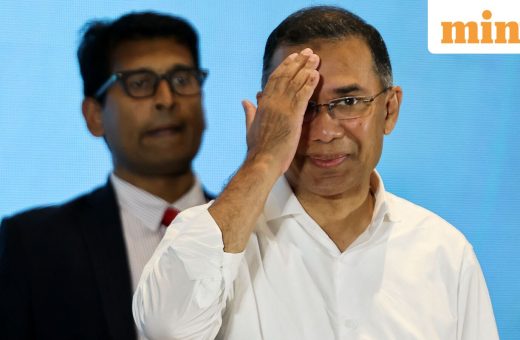
Iran, UAE leaders meet on BRICS sidelines in New Delhi as US-Iran war tests regional ties in Middle East
Iran UAE leaders meet on BRICS sidelines as Iranian President Masoud Pezeshkian held talks with Abu Dhabi Crown Prince Sheikh Khaled bin Mohamed bin Zayed Al
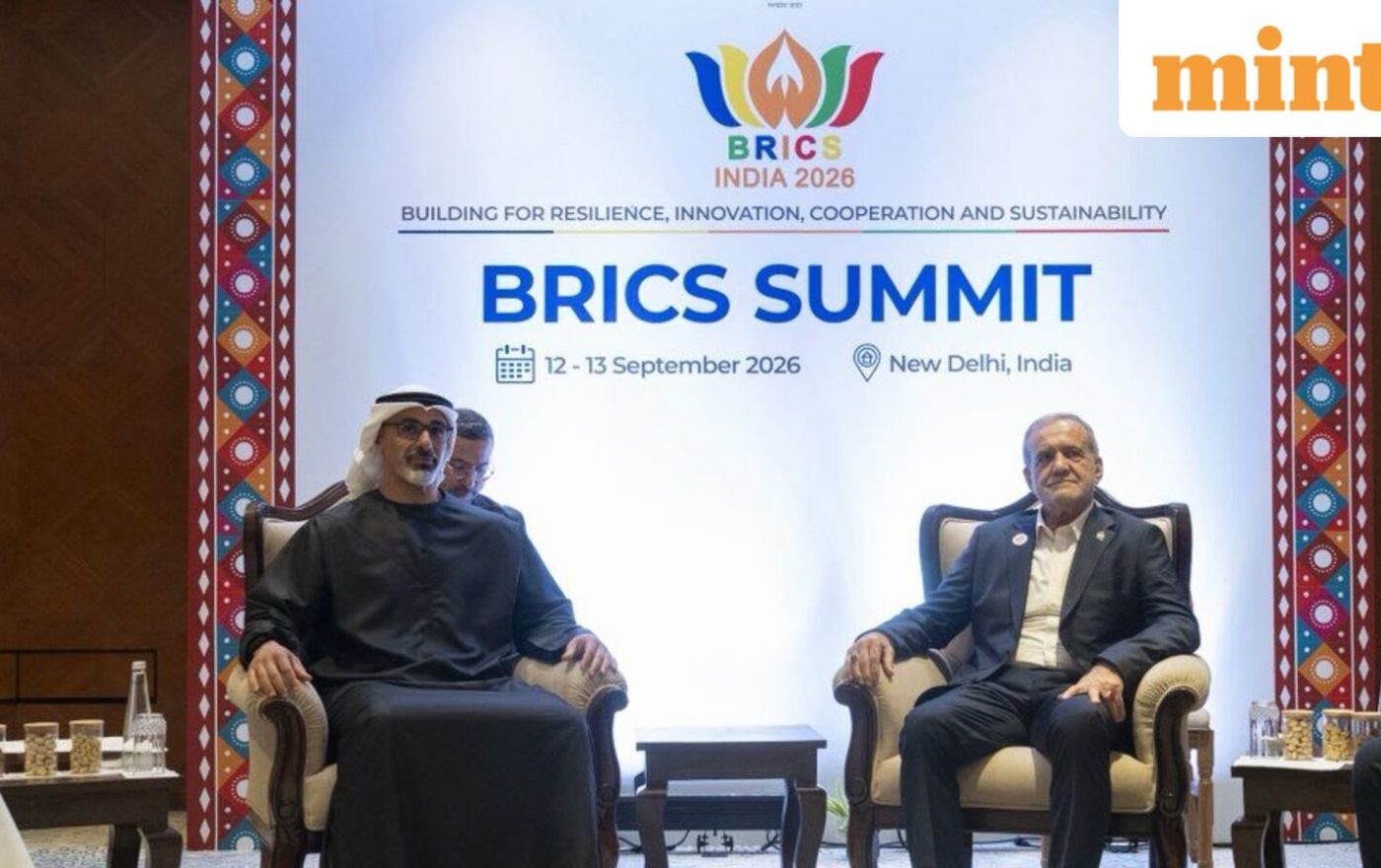
Iran, UAE leaders meet on BRICS sidelines in New Delhi
Theindiapostdaily.com – Iran UAE leaders meet on BRICS sidelines as Iranian President Masoud Pezeshkian held talks with Abu Dhabi Crown Prince Sheikh Khaled bin Mohamed bin Zayed Al Nahyan during the summit in New Delhi. The meeting came as the US-Iran war continued to test diplomatic ties and security calculations across the Middle East.
Sheikh Khaled represented the United Arab Emirates at the BRICS gathering. Footage released by Iran’s official IRNA news agency showed the leaders meeting privately, although neither side publicly disclosed detailed outcomes from their discussion.
The talks focused on regional and international developments, including the importance of reducing tensions and supporting conditions for peace, stability and development. The encounter carried added significance as Iran and the UAE navigate different interests and pressures during the wider regional crisis.
BRICS summit brings competing interests together
India hosted the two-day BRICS summit at Bharat Mandapam in New Delhi during its chairmanship of the grouping. Leaders met against the backdrop of a six-month conflict between Washington and Tehran, marked by reciprocal strikes and growing uncertainty across the Middle East.
The Iran UAE leaders meet on BRICS moment highlighted the diversity of views within the expanded bloc. Iran, the UAE and Saudi Arabia are members, while India also has important strategic and economic relationships with the United States and Gulf countries.
These overlapping relationships make consensus difficult, particularly on regional security. For India, the summit was an opportunity to maintain engagement with countries on opposing sides of major disputes while encouraging a shared approach to global governance and humanitarian concerns.
New Delhi Declaration calls for ceasefire and aid access
Prime Minister Narendra Modi said leaders adopted the New Delhi Declaration after the first day of the summit. The document called for the implementation of relevant UN General Assembly and UN Security Council resolutions, a ceasefire, and full, unhindered humanitarian access to Gaza.
Without naming a specific country, the declaration criticised unilateral aggression. Iran and the UAE both backed the text, showing that BRICS members could agree on common language despite broader differences over the Gulf conflict and the regional security situation.
Joint declarations often require extensive negotiation among governments with competing priorities. The agreement gave BRICS a collective position on humanitarian access, ceasefire obligations and international law without resolving every division among its members.
Pezeshkian presses BRICS on sanctions and civilian infrastructure
In his address, Pezeshkian urged BRICS members to take practical action against what he called unilateral and inhumane sanctions. He said the grouping should act as a force for justice in international affairs.
“BRICS members have a responsibility to stand against the normalization of attacks on civilian infrastructure and peaceful nuclear facilities, because any action against these sites constitutes a direct threat to international peace and security. The issue of Palestine and upholding the Palestinian people’s right to self-determination is a serious test of the credibility and legitimacy of global governance and requires BRICS to play an active role,” he said.
His remarks connected Iran’s concerns about sanctions and attacks on civilian infrastructure with the wider debate over the role of international institutions. He also described the Palestinian people’s right to self-determination as a test for global governance.
Although no public agreement emerged from the meeting, the Iran UAE leaders meet on BRICS sidelines offered a visible sign that dialogue remains possible. As the US-Iran war continues to reshape the region, direct engagement between Iranian and Emirati leaders remains diplomatically important.
FAQ: Iran-UAE talks at the New Delhi BRICS summit
Who met during the BRICS summit in New Delhi? Iranian President Masoud Pezeshkian met Abu Dhabi Crown Prince Sheikh Khaled bin Mohamed bin Zayed Al Nahyan, who represented the UAE at the summit.
What did the New Delhi Declaration say? It called for relevant UN resolutions to be implemented, a ceasefire, and complete humanitarian access to Gaza. It also criticised unilateral aggression without naming a country.
Why did the meeting matter for India? As BRICS chair and summit host, India was managing dialogue among members with differing regional interests while maintaining close ties with Gulf states and the United States.