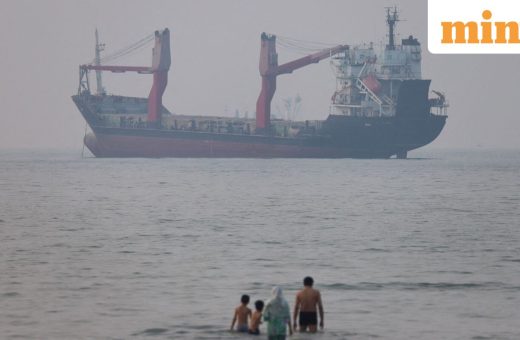
Iran to shift to ‘fully offensive’ posture as US peace talks stall: Report
A senior Iranian official disclosed to Reuters on Monday that Tehran is preparing to adopt a "fully offensive" military posture, following the breakdown of
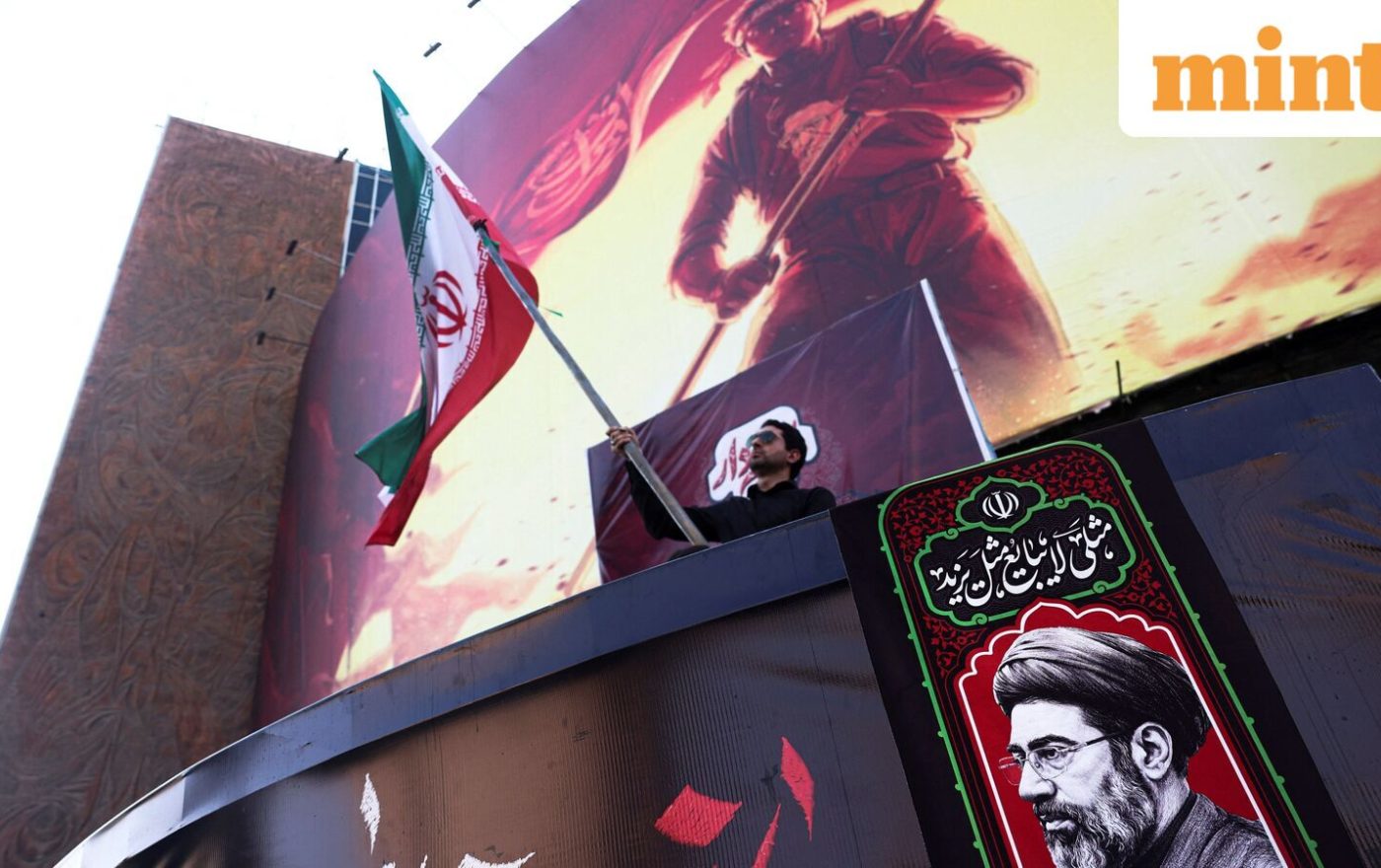
Iran Moves Toward Full Offensive Stance as Washington Peace Efforts Collapse
Theindiapostdaily.com – A senior Iranian official disclosed to Reuters on Monday that Tehran is preparing to adopt a “fully offensive” military posture, following the breakdown of negotiations aimed at permanently ending the war between Iran and the United States. The revelation intensified anxieties about a broader escalation focused on the strategically critical Strait of Hormuz.
The official cautioned that Tehran stood ready to make “difficult decisions” should diplomacy prove fruitless, and warned that Iran might execute a “timely and precise” military operation designed to shatter a US naval blockade.
“Iranian entities must be prepared to escalate tensions in the Strait of Hormuz and wider region,” the official told Reuters.
Trump Closes Door on Ceasefire Extension
The shift in posture followed President Donald Trump’s explicit refusal, voiced on Monday, to extend the interim ceasefire arrangement struck between Washington and Tehran in June. Both governments had anticipated finalizing a comprehensive peace deal by Monday under a memorandum of understanding signed on June 17, which allotted the two sides 60 days to negotiate a broader compact encompassing Iran’s nuclear programme and American sanctions.
That compact had demanded the “immediate and permanent termination of military operations on all fronts.” Yet the arrangement disintegrated amid a bitter contest over control and navigation rights within the Strait of Hormuz. Tehran asserts that a clause in the memorandum grants it authority to administer the waterway, which it shares with Oman. Washington has dismissed that reading.
The impasse has already disrupted commercial shipping through the strait, a corridor through which roughly one-fifth of global oil and liquefied natural gas shipments transited before the war began. Iranian officials have cautioned that any continued failure to settle the dispute could deepen military hostilities and block the return of normal tanker traffic.
Iran has imposed a deadline of several weeks for Washington to honour provisions of the earlier compact before Tehran will entertain further talks, the official added. Mediators are expected to relay the Iranian position to Washington and other regional capitals. Separately, Tehran is in talks with Oman over joint management of the strait; Iranian officials claim those discussions are nearing resolution, though momentum has been sluggish.
Trump’s Aggressive Rhetoric on the Waterway
Trump has escalated his warnings regarding the strait. In remarks to Fox News, he stated that if Oman obstructed American efforts, “we’ll bomb” the country.
Speaking at a Republican rally on Long Island on Friday, Trump declared that after defeating Iran he intended to proclaim the Strait of Hormuz “a territory of the United States.” He said the declaration would come soon after the war’s conclusion.
Tehran Affirms Sovereign Maritime Rights
Iranian Foreign Ministry spokesperson Esmail Baghaei told reporters on Monday that Tehran already possesses legislation governing its sovereign rights over the Persian Gulf, the Strait of Hormuz, and the Sea of Oman.
“Regarding the issues related to Iran’s sovereign rights in the Persian Gulf, the Strait of Hormuz, and the Sea of Oman, we already have laws,” Baghaei said, adding that Tehran would take both existing legislation and current developments into account.
Baghaei further stated that the Foreign Ministry would work alongside Iran’s Parliament on additional legislation pertaining to the country’s territorial and maritime claims. His comments landed days after Trump’s Long Island remarks about annexing the strait.
Broader Regional Conflict and Energy Fallout
The latest escalation unfolds against a backdrop in which the conflict has already spread across the Middle East. Thousands have reportedly been killed, predominantly in Iran and Lebanon, since the United States and Israel launched strikes on Iran on February 28.
Iran has struck US military bases and infrastructure in multiple countries, including Oman, Jordan, Kuwait, Israel, the United Arab Emirates, and Saudi Arabia. Anxiety over a wider war has been amplified by attacks linked to the Iran-backed Houthi movement and persistent uncertainty surrounding shipping lanes through the Red Sea and the Strait of Hormuz.
The standoff is also pressuring global energy markets. Trump has urged Americans to brace for sustained high fuel prices as a consequence of the ongoing war.
Related Reading
Frequently Asked Questions
What is Iran to shift to fully offensive?
Iran to shift to fully offensive is the main topic of this guide. The article explains the context, practical details, and next steps readers should understand.
Why does Iran to shift to fully offensive matter?
Iran to shift to fully offensive matters because readers are looking for a useful answer, not just a short summary. Good content should match search intent and help them decide what to do next.