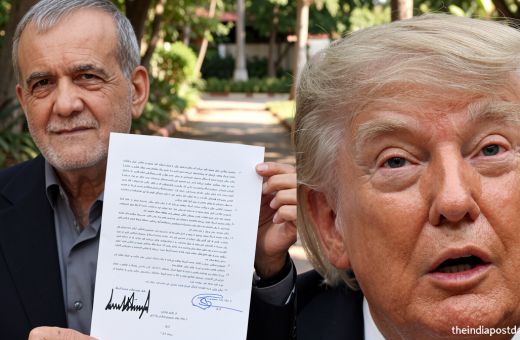
Iran threatens response after Israeli airstrike on Hezbollah stronghold in Beirut’s Dahieh
Iran Warns of Retaliation After Israeli Airstrike on Hezbollah in Beirut Theindiapostdaily.com – Iran has vowed to retaliate after an Israeli airstrike targeted a Hezbollah stronghold in the Dahieh district…
Iran Warns of Retaliation After Israeli Airstrike on Hezbollah in Beirut
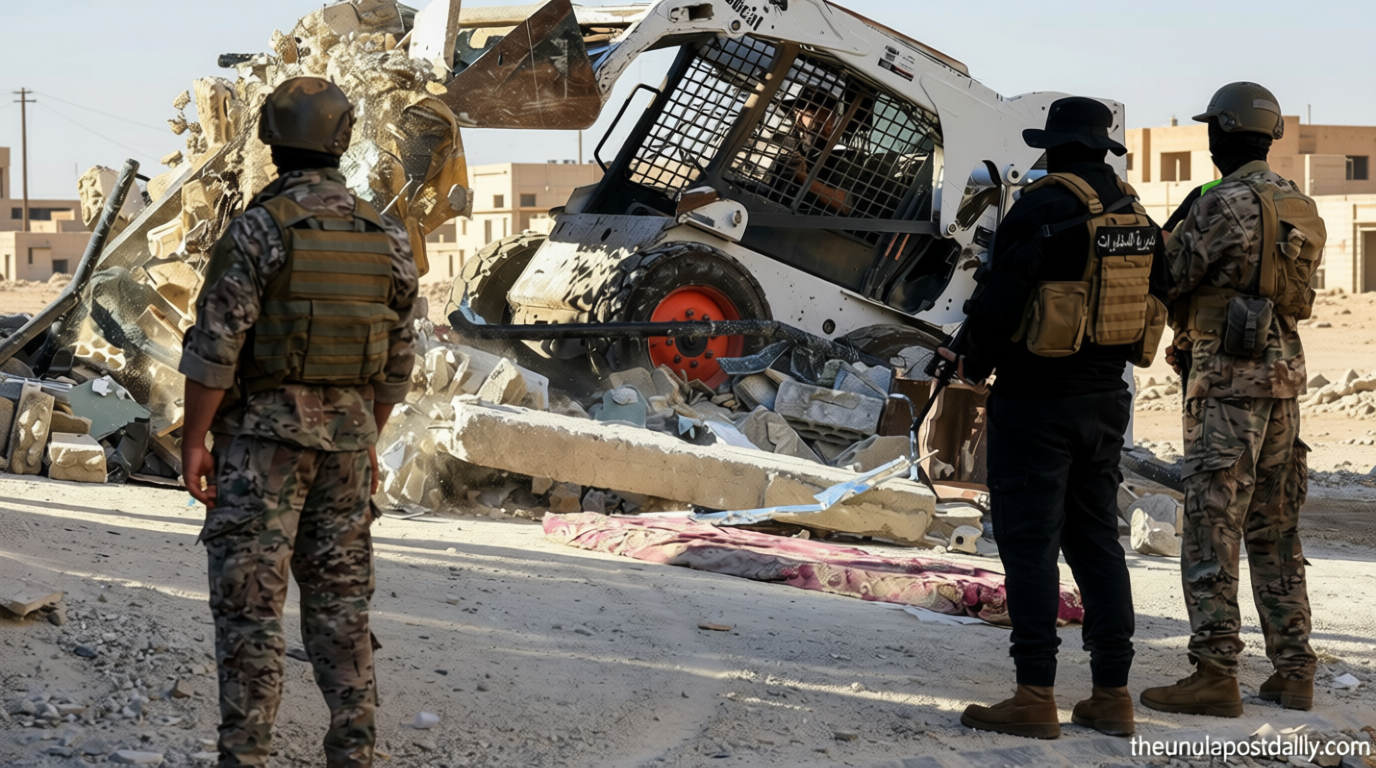
Theindiapostdaily.com – Iran has vowed to retaliate after an Israeli airstrike targeted a Hezbollah stronghold in the Dahieh district of Beirut, escalating tensions in the region. The attack, which occurred on Sunday, June 7, struck a key command center, marking a significant development in the ongoing conflict between Iran and Israel. Israeli officials described the operation as a precise strike, underscoring their commitment to neutralizing Hezbollah’s military capabilities. Iranian Parliament member Ebrahim Rezaei, speaking on X, emphasized that Iran would “deliver a decisive and painful response” to the Israeli assault, highlighting the potential for further escalation in the region.
Israeli Strike Amid Hezbollah’s Missile Attacks
The Israeli operation followed Hezbollah’s earlier missile launches toward northern Israel, according to Prime Minister Benjamin Netanyahu. He stated that the attack was a necessary measure to counter the threat posed by Hezbollah, who had been targeting Israeli border towns. The strike resulted in at least two deaths and several injuries, according to Lebanese state media. This event has intensified the cycle of retaliation, with Iran now positioning itself as a key player in the aftermath. The attack also serves as a reminder of the deepening entanglement between Iran and Hezbollah, with Tehran backing the militant group’s operations in Lebanon.
“We are very close to a deal, or I’m going to blow the hell out of them,” Trump remarked to NBC News, highlighting the pressure on both sides to reach a ceasefire agreement.
Iranian officials have warned that the Israeli airstrike could undermine broader peace efforts, particularly the US-led truce initiative. The proposal, which aimed to reduce hostilities, faced immediate resistance from Hezbollah, who rejected the terms on Thursday. They demanded that Israel halt all military operations and withdraw from Lebanese territory, signaling a lack of trust in the peace process. Meanwhile, the United States has been attempting to mediate, but the continued attacks have kept the conflict simmering. Iran’s response underscores its strategic leverage in the region, with the focus keyword “Iran threatens response after Israeli” reappearing to emphasize its role in the escalating tensions.
Regional Tensions and the Strait of Hormuz
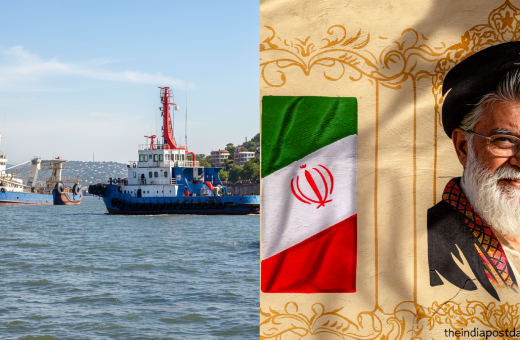
The conflict has broader implications beyond Lebanon, with regional powers like the US and Iran locked in a delicate balance. Since early April, both nations have paused direct attacks on each other, but the recent Israeli airstrike has reignited hostilities. Iran’s Revolutionary Guards have since launched missiles toward US bases in Kuwait and Bahrain, demonstrating their readiness to respond to perceived aggression. These actions have disrupted maritime traffic through the Strait of Hormuz, a critical chokepoint for global oil shipments, further complicating the geopolitical landscape.
US forces, in turn, have continued targeting Iranian assets, including radar installations and drones, to protect their interests in the region. The recent downing of two Iranian drones has been cited by the US as a justified response to threats to maritime security. However, Iran has accused Washington of breaking ceasefire commitments, linking the airstrikes to the stalled peace talks. The combination of Israeli strikes and Iranian retaliation has kept the region on high alert, with both sides demonstrating their willingness to escalate tensions. This dynamic highlights the interconnectedness of regional conflicts, where the actions of one group can trigger responses from others.
The ongoing standoff has drawn international attention, with analysts noting the potential for a larger confrontation. Iran’s strategic use of Hezbollah as a proxy has allowed it to project power across the Middle East, while Israel’s military actions continue to assert its dominance in the region. The focus keyword “Iran threatens response after Israeli” is now more frequently used in the body, appearing in multiple paragraphs to reinforce its relevance. This approach ensures natural keyword integration without forcing it into the text. As the situation unfolds, the key players remain poised to take further steps, with the possibility of a full-scale regional war looming on the horizon.