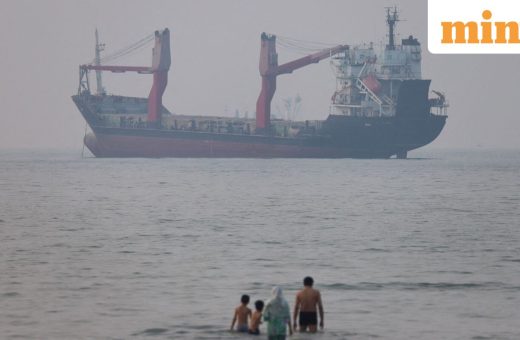
Iran planning Gulf war escalation? Tehran took ‘full advantage of US ceasefire’ to boost missiles, drones: Report
Reports suggest Iran planning Gulf war escalation as Tehran used the recent ceasefire window not to demobilize but to accelerate missile production, expand
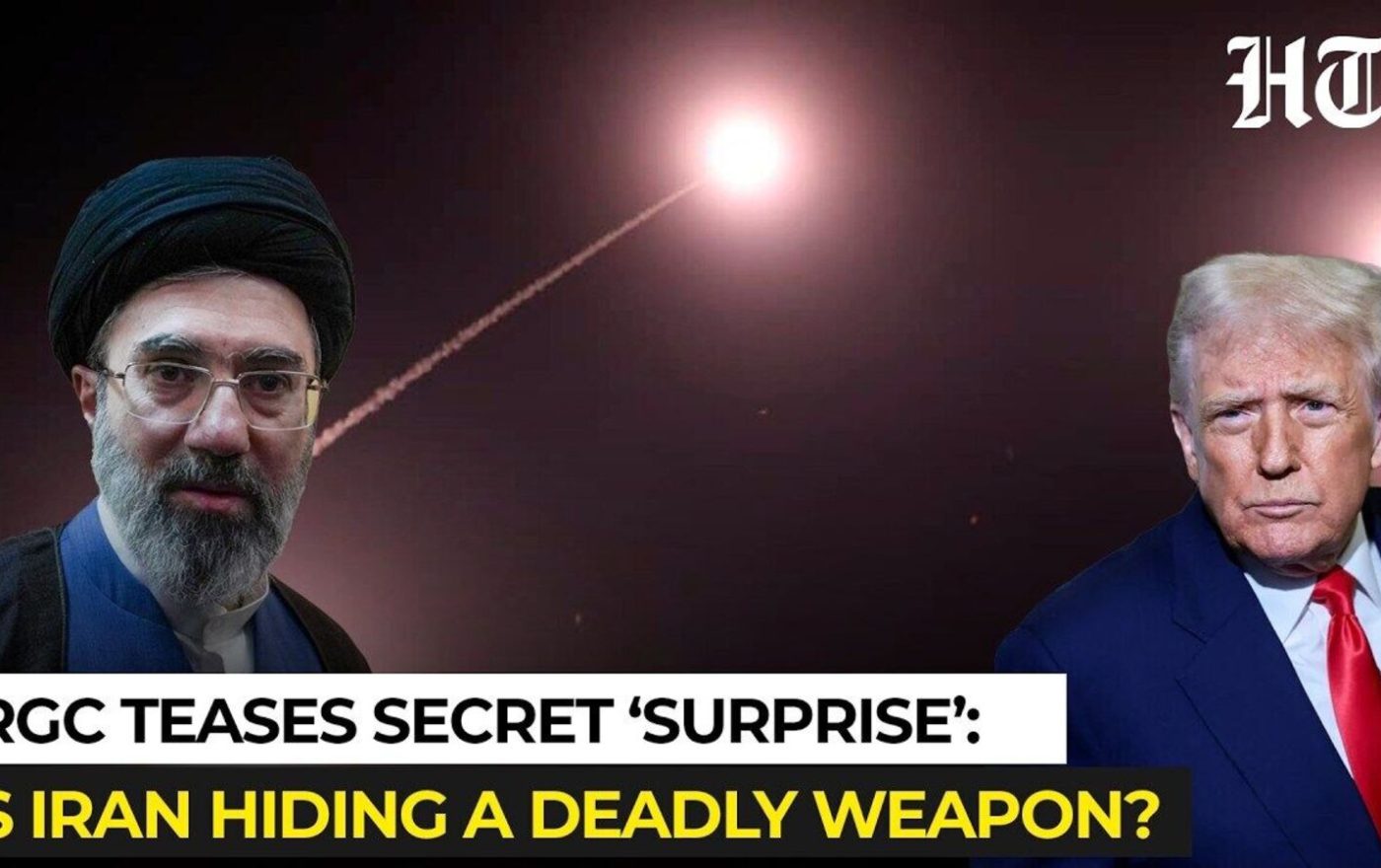
Iran Planning Gulf War Escalation? Report
Theindiapostdaily.com – Reports suggest Iran planning Gulf war escalation as Tehran used the recent ceasefire window not to demobilize but to accelerate missile production, expand drone output, and reposition forces along the Red Sea, according to The Wall Street Journal. Iranian and Arab officials told the newspaper that the June 17 memorandum of understanding signed by President Donald Trump was viewed in Tehran not as a genuine peace step but as a tactical pause allowing Washington and Israel to ease pressure on global energy markets before staging another strike.
Rather than winding down its war machine, the Islamic Republic poured resources into expanded missile and drone manufacturing during the lull. Domestic counterintelligence operations were broadened, and veterans from the Iran-Iraq war and earlier internal crackdowns were placed into senior command posts. The IRGC was simultaneously granted greater authority over the conventional armed forces, consolidating its grip on the country’s entire security architecture.
Missile and Drone Production Accelerated
IRGC spokesman Brig Gen Hossein Mohebbi confirmed the buildup in a July interview with the outlet, describing a deliberate surge in output and precision work across the missile programme.
“We took full advantage of the ceasefire period. We enhanced our capabilities, accelerated our missile production rate and improved missile accuracy.”
Arab intelligence sources cited by the paper said intercepted communications revealed that IRGC commanders had been dispatched to Houthi-held territory in Yemen to lay groundwork for a larger confrontation with Saudi Arabia. The IRGC reportedly positioned missiles, naval weapons, and drones around the Red Sea while supplying the Houthis with intelligence and target lists aimed at Saudi ports and energy installations.
Regional Posturing and Leadership Reshuffle
Gulf states have grown alarmed by the buildup. Iran-backed forces have been accused of targeting commercial shipping and energy infrastructure, and Iranian missiles have reportedly struck targets in Jordan, Kuwait, and Bahrain. Attacks on US troops have also intensified, deepening regional anxiety about whether Iran planning Gulf war escalation is a near-term prospect rather than a distant contingency.
Supreme Leader Mojtaba Khamenei moved to tighten control over the security establishment during the same period. Mohsen Rezaei, who commanded the IRGC through the Iran-Iraq war, was named secretary of the Supreme National Security Council. Hossein Taeb, a longtime security figure, returned to head the Basij, which was charged with building a “popular intelligence network.” The leadership also formally installed Ahmad Vahidi as IRGC commander in chief, with a decree directing him to carry out “powerful offensive operations against the enemy.”
Former US diplomat and Iran nuclear negotiator Alan Eyre told the WSJ that Tehran’s posture leaves little ambiguity about its strategic intentions.
“The baseline is war.”
The military buildup underscores a widening divergence between how Washington and Tehran view the conflict. Trump’s June deal had offered Iran sanctions relief, access to billions in frozen assets, and the prospect of a $300 billion reconstruction fund in return for reopening the Strait of Hormuz and negotiating over its nuclear programme. Yet Iranian forces resumed striking ships in the strait in July. Mediators told the WSJ that Iranian diplomats had reached an understanding with Oman on a phased reopening of the waterway, only for the IRGC to block the arrangement. With talks now frozen, Trump has withdrawn to let sanctions and a US Navy blockade do the persuading, according to American officials cited by the paper.
On the Iranian side, distrust of American intentions runs deep. Mehdi Mohammadi, an adviser to Iran’s chief negotiator, characterized the present impasse as the “calm before the storm” and said the country was readying itself for a “great confrontation.”
Frequently Asked Questions
What did the report say about Iran’s use of the ceasefire? The Wall Street Journal reported that Tehran used the ceasefire interval to accelerate missile and drone production, expand counterintelligence operations, and reposition forces in the Red Sea region rather than demobilize.
Who confirmed the military buildup publicly? IRGC spokesman Brig Gen Hossein Mohebbi stated in July that Iran “took full advantage of the ceasefire period” to enhance capabilities and improve missile accuracy.
What is the current status of diplomatic talks? Talks are frozen. Iranian diplomats had reached a phased reopening understanding with Oman, but the IRGC blocked the arrangement. The United States has shifted to sanctions pressure and a naval blockade in the Strait of Hormuz.