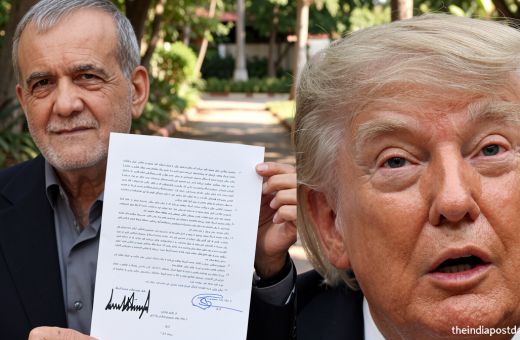
Iran fires missiles at Israel for Beirut attack, Trump calls for calm: ‘That’s enough’ – 10 points
10 points Iran fires missiles at Israel for Beirut - In a dramatic
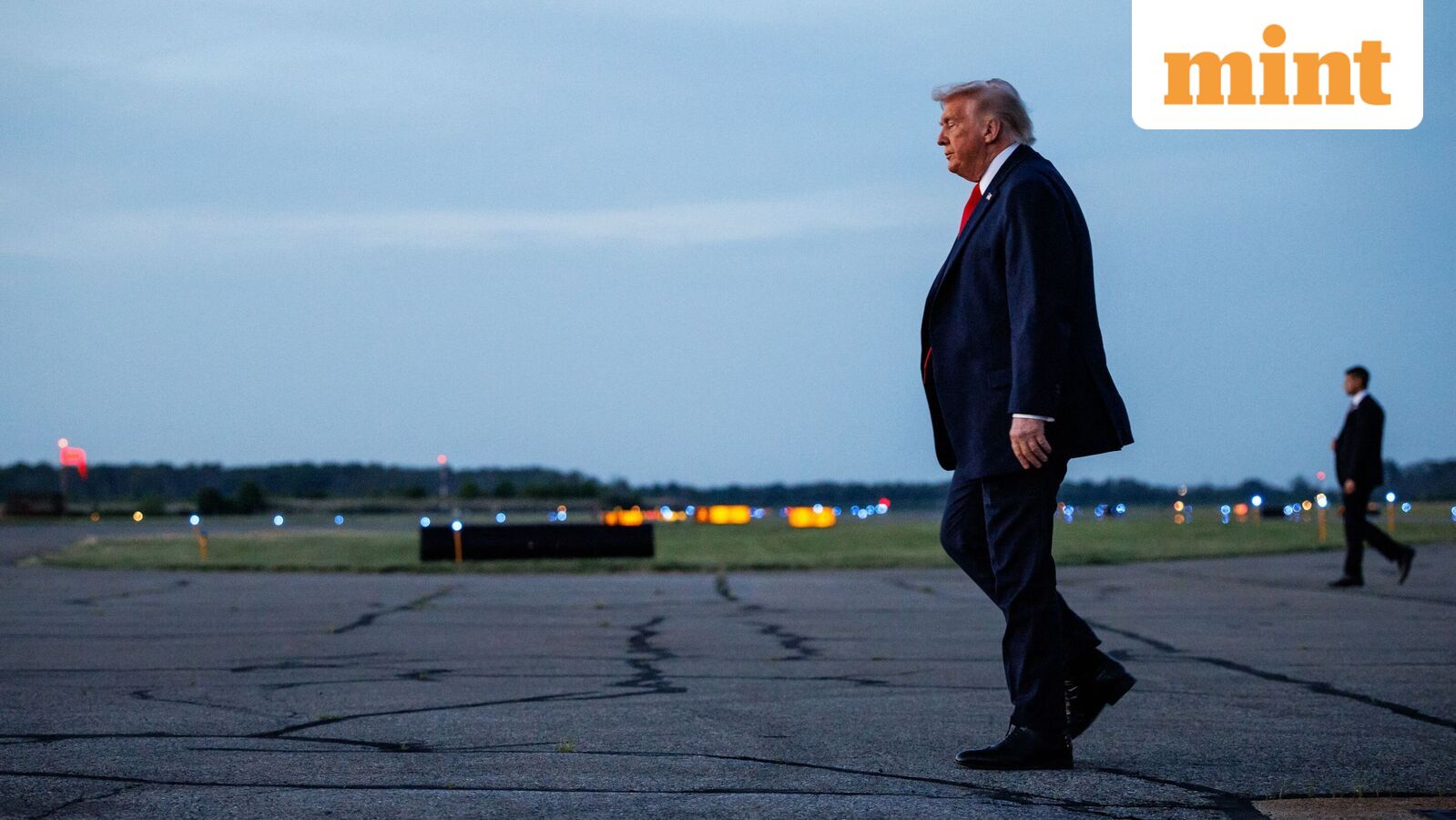
Iran fires missiles at Israel for Beirut attack, Trump calls for calm: ‘That’s enough’ – 10 points
Theindiapostdaily.com – In a dramatic escalation of regional tensions, Iran launched missile strikes against Israeli targets in response to the Beirut attack, a move that has drawn international attention. The strikes, which occurred on June 7, were a direct retaliation for Israeli military actions in southern Lebanon, marking a significant moment in the ongoing conflict. U.S. President Donald Trump intervened, calling for both sides to exercise restraint and asserting that the situation had reached a critical point. This development highlights the fragile balance of power in the Middle East and the potential for further escalation.
Context of the Beirut Attack and Iran’s Retaliation
The attack in Beirut, which targeted Iranian-backed Hezbollah positions, intensified hostilities between Israel and its regional adversaries. The strike, carried out by Israeli forces, was part of a broader campaign to disrupt Hezbollah’s operations in Lebanon. In response, Iran’s Islamic Revolutionary Guard Corps (IRGC) swiftly retaliated with a missile barrage, underscoring its commitment to protecting its allies. The focus keyword Iran fires missiles at Israel has become central to the discourse surrounding the incident, as the Islamic Republic seeks to assert its influence and deter further aggression.
Analysts note that the missile strikes are not only a military response but also a symbolic gesture aimed at projecting strength. The IRGC’s involvement highlights Iran’s strategic use of military assets to respond to perceived threats. While the exact number of missiles and targets remains unspecified, the coordinated effort suggests a well-prepared operation. This escalation has raised concerns about the potential for a broader regional war, with both Iran and Israel positioning themselves as key players in the conflict.
Trump’s Role in Mediating the Crisis
President Donald Trump’s intervention has been pivotal in shaping the response to the attacks. Speaking shortly after the missile strikes, he emphasized that the situation had reached a peak and urged calm to prevent further escalation. This statement comes amid a backdrop of shifting alliances and strategic calculations in the region. Trump’s influence, particularly as a former ally of Israel, has sparked debate about his approach to the conflict. His call for restraint is seen as an attempt to stabilize the situation, but it also reflects his desire to assert control over the narrative.
Trump’s directive to Israeli Prime Minister Benjamin Netanyahu to avoid retaliation has added another layer to the dynamics of the crisis. While Netanyahu’s government has historically taken a firm stance in response to Iranian aggression, Trump’s intervention suggests a willingness to temper Israel’s actions. This has led to speculation about the broader U.S. strategy in the region, including its efforts to maintain diplomatic channels with Iran despite the recent hostilities.
The U.S. administration’s approach has been marked by a mix of support for Israel and attempts to engage with Iran. Reports indicate that Trump’s team is considering the use of frozen Iranian assets in the U.S. to cover damages inflicted on regional allies. This financial maneuver could serve as a conditional offer to Iran, encouraging it to de-escalate tensions. However, the effectiveness of such measures depends on Iran’s willingness to comply with U.S. demands.
Iran’s deputy foreign minister, Kazem Gharibabadi, has rejected the notion that frozen assets should be used to compensate for damages. In a recent statement, he emphasized that the funds are not meant as war spoils but as a means to support allies. This stance reflects Iran’s determination to hold Israel accountable for its actions, even as it seeks to maintain its position on the global stage. The demand for “full reparation” underscores the economic dimension of the conflict, adding complexity to the military standoff.
As the situation unfolds, the focus keyword Iran fires missiles at Israel continues to dominate headlines. The attack in Beirut and subsequent strikes have reignited discussions about the role of external powers in the region. With the potential for a wider conflict looming, the international community is watching closely to see how the parties involved will navigate the tensions. The crisis serves as a reminder of the delicate balance between military action and diplomatic engagement in the Middle East.
“At this time, the Israeli Air Force is operating to intercept and strike threats where necessary to remove the threat,” the Israeli military said in a statement.
This quote highlights the immediate operational focus of Israel’s response, reinforcing the urgency of the situation. As the standoff continues, the strategic implications of Iran fires missiles at Israel will likely shape the future of regional relations and global security dynamics.